

Oct
Outfit Proportions Start With A Strong Foundation
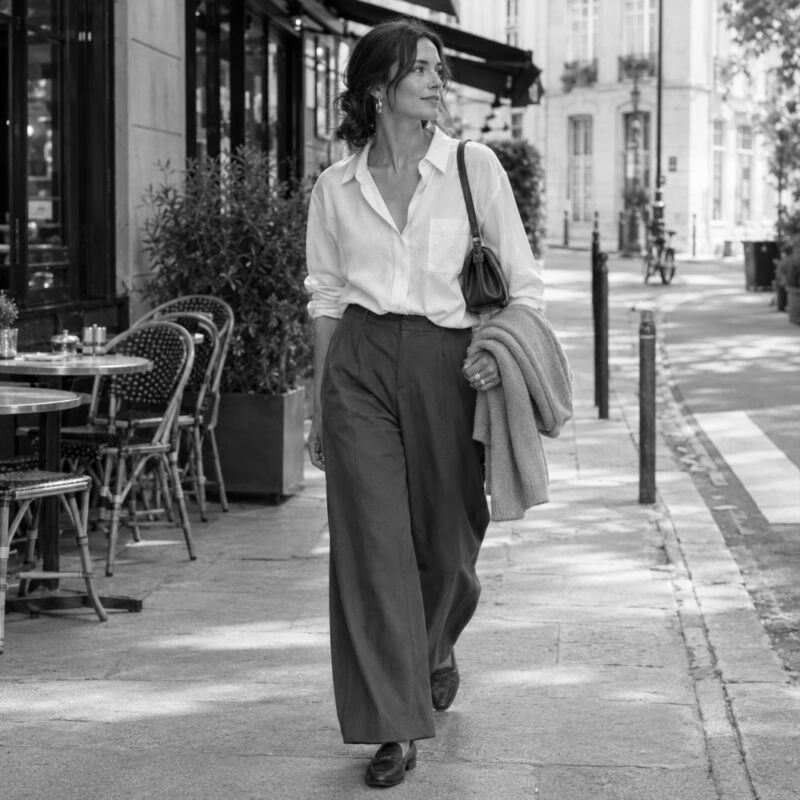
Outfit proportions can change the entire impression of familiar clothes without requiring a new wardrobe. The relationship between garment lengths, volumes and shapes often matters more than any single piece. A relaxed shirt can look completely different when paired with wide-leg trousers instead of a narrower silhouette, while a cropped layer can give a flowing skirt a clearer sense of structure. These small changes can make an outfit feel more deliberate while keeping the clothes practical and recognisably your own.
Looking At The Full Silhouette
The easiest way to understand balance is to look at the complete outfit rather than judging individual garments. A long cardigan over a flowing dress creates a continuous shape, while a shorter layer introduces a visible break. A generous pair of trousers can carry more visual weight through the lower half, which may make a simpler top feel particularly natural. There is no universal formula to follow. What matters is noticing how the pieces interact once they are worn together.
Hoodies
Beanies
Changing Length Can Shift The Balance
Garment length has a surprisingly strong influence on how an outfit comes together. A shirt that finishes at the hip creates a different effect from one that reaches the upper thigh, even when both have the same colour and fabric. Skirt and trouser lengths can have a similar effect, especially when footwear becomes part of the overall silhouette. Trying different lengths with the same surrounding pieces can reveal combinations that might otherwise remain hidden in the wardrobe.
Outfit Proportions Become Clear Through Contrast
Contrast does not always require bold colours, prints or statement accessories. Differences in volume can create enough interest on their own. A fitted knit with a fuller skirt produces a different outline from an oversized knit with the same skirt. Similarly, relaxed trousers can feel more defined when worn with a neater top. These combinations create visual tension without becoming complicated, allowing everyday clothing to feel considered while remaining easy to wear.
Hoodies
Beanies
Small Styling Changes Can Matter
Sometimes the clothes are already right, but the way they are arranged needs a slight adjustment. A shirt can be tucked differently, sleeves can be pushed back, or an open layer can be changed for something shorter. Even moving a waistband slightly can alter the relationship between the upper and lower parts of an outfit. Experimenting with these details costs nothing and can reveal why a combination felt almost right but never quite worked.
Outfit Proportions Should Work Beyond The Mirror
An outfit needs to make sense while moving through an ordinary day, not just while standing still. A wide trouser leg may create an appealing silhouette but feel restrictive with certain shoes or layers. A long cardigan may look elegant but become awkward when carrying a bag or sitting for extended periods. Walking, reaching, sitting and moving naturally can reveal whether the proportions are genuinely practical. Comfort does not have to compete with visual balance when the garments work together.
Hoodies
Beanies
Personal Style Changes The Equation
There is no single version of balanced dressing because personal style influences every decision. Someone drawn to relaxed clothing may prefer generous shapes throughout an outfit, while someone with a sharper aesthetic may enjoy stronger differences between fitted and loose pieces. Height, body shape, footwear and daily activities also affect how proportions appear. Instead of following rigid rules, it makes more sense to use proportion as a way of understanding what already feels natural to you.
Making Familiar Pieces Feel Different
A wardrobe can become more versatile simply by changing the relationships between pieces already inside it. A favourite shirt can move from one pair of trousers to another, a cardigan can become an outer layer rather than a finishing piece, and a skirt can take on a different character with a change of footwear. These experiments can make familiar clothing feel surprisingly fresh without encouraging constant shopping. The wardrobe starts to offer more possibilities because the styling changes, rather than because the number of garments increases.
Hoodies
Beanies
Finding A Balance That Feels Natural
Good proportions rarely announce themselves as a complicated styling achievement. They tend to make an outfit feel comfortable, coherent and easy to live in. Once you start noticing how lengths and volumes interact, small adjustments become more intuitive. A familiar wardrobe can then feel less predictable, with everyday pieces taking on new combinations that reflect how you actually want to dress rather than how you think you are supposed to dress.
