

Oct
Making An Outfit Feel Right Starts With Familiar Pieces
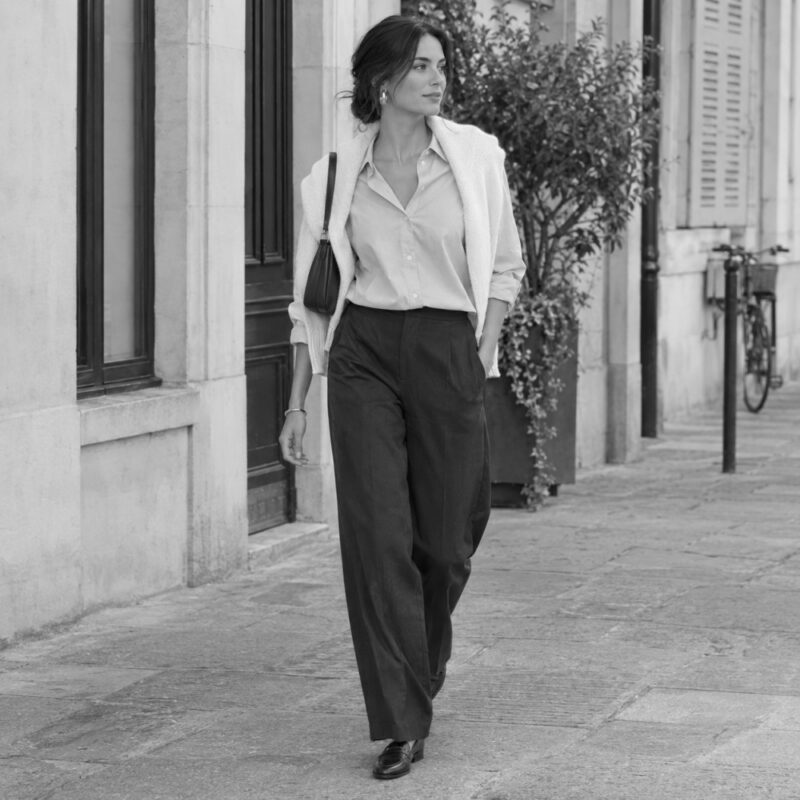
The easiest way to build an outfit is often to begin with something you already know works. That could be a pair of jeans with the right rise, a knit that sits comfortably, or a jacket you regularly reach for. Familiar pieces remove some of the uncertainty from getting dressed. Once one dependable item is in place, the rest of the outfit can develop around it without feeling overly planned. This approach also makes it easier to notice which combinations genuinely suit your everyday style.
Letting Proportion Do Some Of The Work
An outfit can feel wrong even when every individual piece looks appealing. Proportion often explains why. A loose top with wide trousers creates a different impression from the same top with a straighter leg. A cropped layer can change the balance of a longer dress, while a substantial shoe can make relaxed trousers feel more grounded. Making an outfit feel right does not require following strict styling formulas. It means paying attention to how the pieces sit together and adjusting one element when the overall shape feels slightly off.
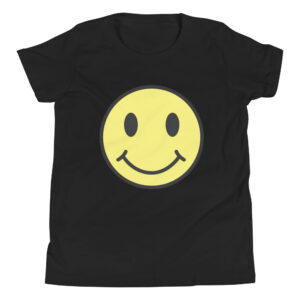
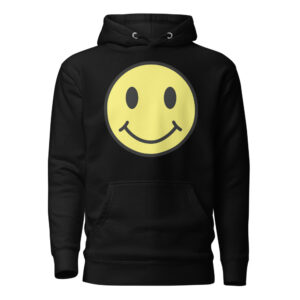
Hoodies
Beanies
Making An Outfit Feel Right Through Small Adjustments
Sometimes an outfit needs only a minor change before it starts working. Rolling a sleeve, changing a shoe, adding a belt or switching the bag can alter the balance without requiring a complete rethink. These adjustments are useful because they preserve the parts of an outfit that already feel comfortable. They also give everyday clothes more flexibility. Instead of treating an outfit as fixed once it has been put together, you can respond to what you see in the mirror and make a small change that brings everything closer together.
Dressing For The Way You Actually Move
Clothing has to accommodate real life. An outfit that looks polished while standing still may become frustrating if you are walking across town, sitting for several hours or moving between different places. Fabric, footwear, layers and bag choice all become more noticeable once the day gets underway. This is where practical details can shape personal style just as much as colour or silhouette. Clothes tend to feel more convincing when they support the activities around them rather than demanding constant attention.
Hoodies
Beanies
When More Styling Is Not Better
There is a point where more styling decisions stop improving an outfit. Adding another layer or accessory can sometimes make a simple combination feel less natural. Stepping back can be useful. Look at the overall shape, consider whether the clothes suit the setting and notice whether anything feels distracting. If the answer is mostly positive, the outfit may already be doing what it needs to do. Personal style becomes easier when every decision does not have to feel significant.
When The Outfit Starts To Feel Like Yours
The most convincing outfits rarely come from copying a complete look. They develop through repeated choices, familiar proportions and an understanding of what you enjoy wearing. A combination might begin as an experiment and eventually become something you reach for without thinking. That gradual process gives clothes a sense of individuality. The goal is not to make every outfit memorable or perfectly styled. It is to reach a point where what you are wearing feels connected to you and makes sense for the day ahead.
Hoodies
Beanies
Making An Outfit Feel Right In Everyday Life
An outfit does not need to be complicated to feel considered. Often, the strongest combinations are the ones that allow you to get on with your day without constantly thinking about what you are wearing. A useful wardrobe gives you room to make those choices naturally, whether that means repeating a favourite combination or changing one detail to suit the moment. When appearance and comfort stop competing for attention, getting dressed can become much more intuitive. That is often where personal style feels most genuine.
