

Nov
Second Hand Fashion Brings More Individuality to Everyday Outfits
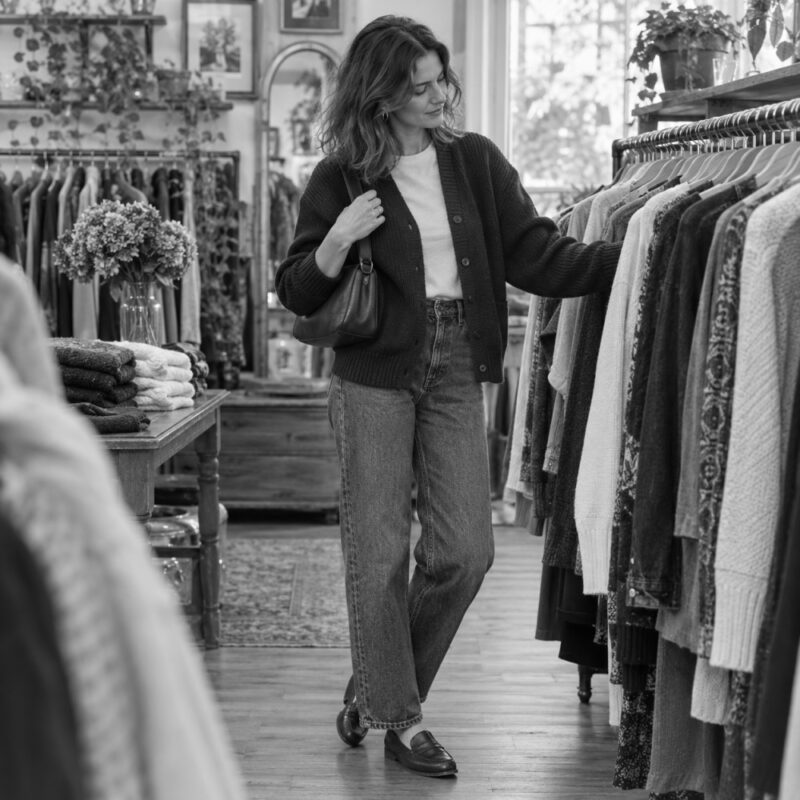
Second hand fashion is attracting younger shoppers who want clothing that feels distinctive, affordable and personal. Rather than relying entirely on new retail collections, many are exploring vintage boutiques, charity shops and online resale platforms for interesting wardrobe additions. From oversized sweatshirts to retro denim, previously owned garments offer opportunities to experiment with different styles while finding pieces that reflect individual tastes. The appeal extends beyond price, with shoppers increasingly appreciating the character and individuality that older clothing brings to modern outfits.
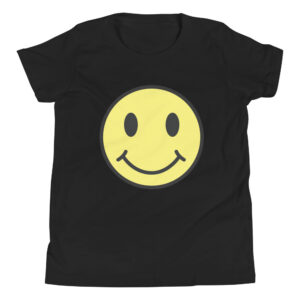
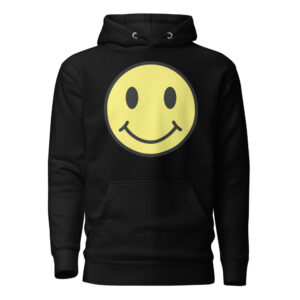
Hoodies
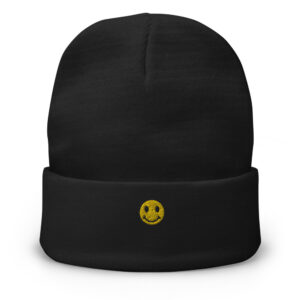
Beanies
Why Younger Shoppers Are Exploring Vintage Clothing
Personal expression plays an important role in contemporary fashion, particularly among younger generations who enjoy creating outfits that feel different from mainstream trends. Vintage clothing makes this easier by introducing distinctive colours, unusual silhouettes and designs inspired by earlier decades. An oversized leather jacket, colourful knitted jumper or faded graphic T-shirt can become the centrepiece of an otherwise simple outfit. Social media has helped popularise this approach, with creators sharing their discoveries and demonstrating how older garments can work alongside contemporary wardrobe essentials.
Affordable Finds That Add Character
Shopping for previously owned clothing allows consumers to explore different brands and styles without always paying full retail prices. Younger shoppers can discover quality jackets, denim, knitwear and accessories at prices that make experimenting with personal style more accessible. However, affordability is only part of the attraction. Older garments can feature interesting stitching, distinctive washes and fabric details that are less common in current collections. Finding an unusual piece also creates a sense of discovery that makes the shopping experience more enjoyable than purchasing another widely available design.
Hoodies
Beanies
Mixing Second Hand Fashion With Modern Wardrobe Essentials
Combining older garments with contemporary basics creates outfits that feel balanced rather than overly nostalgic. A vintage sweatshirt can work naturally with straight-leg jeans and modern trainers, while a classic denim jacket pairs easily with a simple white T-shirt and tailored trousers. Accessories provide another opportunity to bring different influences together. A contemporary shoulder bag, understated jewellery or leather loafers can give an older garment a fresh appearance. The key is allowing distinctive pieces to stand out without making every item compete for attention.
How Online Resale Platforms Are Changing Shopping Habits
Digital marketplaces have made second-hand shopping more accessible by allowing consumers to browse individual sellers, compare prices and search for particular brands from home. This convenience has introduced pre-owned clothing to shoppers who might not regularly visit vintage stores or charity shops. Social media also plays an important role, with outfit inspiration, shopping videos and styling recommendations helping people discover new ways to wear older garments. Together, these platforms have made finding previously owned clothing feel like a natural part of the modern shopping experience.
Hoodies
Beanies
Second Hand Fashion Encourages More Considered Wardrobe Choices
Growing interest in pre-owned clothing also reflects a shift towards more thoughtful purchasing habits. Some younger consumers are paying closer attention to garment quality, versatility and how frequently they expect to wear individual pieces. Choosing previously owned garments can extend the useful life of existing clothing, although checking fabric condition, construction and fit remains important. Rather than constantly replacing wardrobe essentials, shoppers can gradually introduce distinctive finds that complement what they already own. A favourite vintage jacket or perfectly worn pair of jeans can become a lasting part of everyday dressing, proving that personal style often develops through discovery rather than simply following whatever arrives in stores.
