

-
×
 Have a Nice Day T-Shirt
1 × $111.00
Have a Nice Day T-Shirt
1 × $111.00
08
Jan
Jan
Why Some Clothes Look Better in Photos Than Real Life
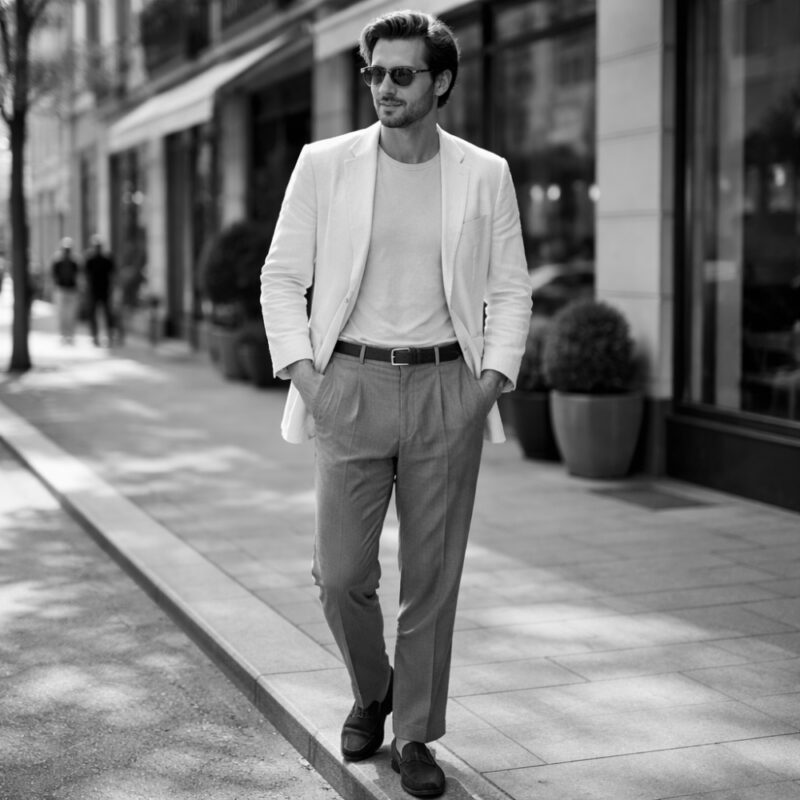
Outfits that photograph well often succeed because cameras flatten reality in ways the human eye does not. Light, contrast, and proportion are interpreted differently through a lens, which can exaggerate flaws or quietly enhance balance. This explains why an outfit that feels ordinary in person can appear striking in a photograph, while something visually interesting up close may lose impact on screen. Understanding this difference helps explain why photography rewards clarity, restraint, and intentional choices rather than complexity.
How Outfits That Photograph Well Work With Light
Outfits that photograph well tend to cooperate with light rather than fight it. Matte and natural-fiber fabrics absorb and reflect light evenly, preventing glare, blown highlights, or distracting shine. Cameras struggle with reflective surfaces, which can create harsh points of brightness that overpower the image. Clothing that diffuses light gently allows details, seams, and structure to remain visible, giving the photograph depth and balance instead of visual distortion.
Original price was: $222.00.$111.00Current price is: $111.00.
Hoodies
Original price was: $222.00.$111.00Current price is: $111.00.
Original price was: $222.00.$111.00Current price is: $111.00.
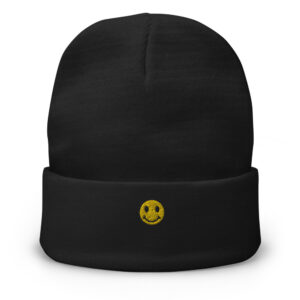
Beanies
Original price was: $222.00.$111.00Current price is: $111.00.
The Role of Fit in Outfits That Photograph Well
Fit is one of the most decisive factors in how clothing appears on camera. Loose or excess fabric can look heavier and more shapeless in photographs, while overly tight garments may create tension or awkward lines. Clothing that follows the body without clinging provides visual clarity, allowing the silhouette to read cleanly at a glance. This balance helps the image feel intentional rather than accidental or poorly framed.
Why Color Choice Matters More Than People Expect
Color influences how a camera captures detail and depth. Extremely light or dark shades often lose definition, while very saturated colors can dominate the frame. Mid-tone neutrals and softened hues allow for better contrast and preserve detail across different lighting conditions. Thoughtful color combinations guide the viewer’s eye naturally, ensuring the person remains the focus instead of the clothing overpowering the image.
Original price was: $222.00.$111.00Current price is: $111.00.
Hoodies
Original price was: $222.00.$111.00Current price is: $111.00.
Original price was: $222.00.$111.00Current price is: $111.00.
Beanies
Original price was: $222.00.$111.00Current price is: $111.00.
Why Outfits That Photograph Well Avoid Visual Noise
Outfits that photograph well are usually edited, not excessive. Multiple statement pieces, busy patterns, or heavy layering can confuse the image and make it harder for the eye to settle. Photographs benefit from a clear focal point, whether that is a jacket, a silhouette, or a restrained color palette. Simplicity creates authority on camera, even when the outfit itself feels understated in real life.
How Movement Changes the Way Clothing Is Captured
Still images are influenced by motion more than people realize. Clothes designed to move naturally with the body photograph with softness and ease, while rigid garments can appear stiff or uncomfortable. Subtle shifts in posture or movement prevent an image from feeling frozen, allowing the outfit to feel worn rather than displayed. This sense of ease often translates as confidence in photographs.
Original price was: $222.00.$111.00Current price is: $111.00.
Hoodies
Original price was: $222.00.$111.00Current price is: $111.00.
Original price was: $222.00.$111.00Current price is: $111.00.
Beanies
Original price was: $222.00.$111.00Current price is: $111.00.
Dressing With Awareness Rather Than Performance
Understanding why outfits that photograph well succeed does not require dressing for the camera at all times. Instead, it encourages thoughtful decisions around fabric, fit, and restraint that carry into everyday life. These choices create consistency across moments, allowing clothing to feel authentic rather than styled for effect. When images are revisited later, they reflect a genuine sense of self rather than a temporary performance.
