

Jul
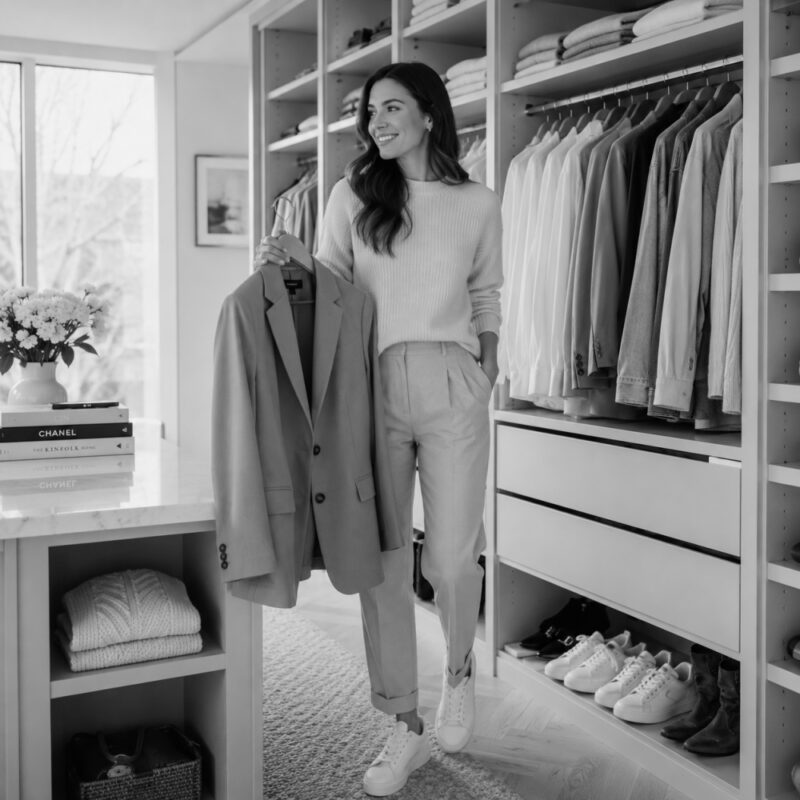
Wardrobe Changes Create Better Daily Habits
Small improvements in how a wardrobe is structured can completely reshape the experience of getting dressed each day. When clothing is organised with intention, decisions become quicker and more intuitive, removing the sense of frustration that often comes from cluttered or inconsistent storage. A well-considered system allows you to see what you own clearly, which naturally leads to better outfit combinations without extra effort. Over time, this creates a smoother daily routine where getting dressed feels less like a task and more like a simple, automatic process that fits naturally into your morning rhythm.

Hoodies

Beanies
Why Most Wardrobes Become Hard to Use
Most wardrobes don’t become overwhelming because of lack of clothing, but because of a lack of direction. Items are often added over time without considering how they work together, resulting in collections that feel disconnected and inconsistent. This makes outfit selection slower, as each piece competes for attention rather than supporting the others. When there is no clear structure, even high-quality clothing can feel difficult to use because it doesn’t integrate into a cohesive system. The result is a wardrobe that feels full but still leaves you unsure of what to wear.
Wardrobe Changes That Make Dressing Easier
Simplifying how clothing is grouped and accessed can significantly reduce the time and effort required to get dressed. When items naturally complement each other, outfit decisions become almost automatic rather than deliberate. This happens when there is consistency in fit, tone, and overall style direction, allowing pieces to be mixed without hesitation. A clearer structure also reduces mental fatigue, as you no longer need to evaluate every option from scratch. Instead, you begin to rely on combinations that already work, making the process of choosing clothes feel smoother and more reliable each day.
Hoodies
Beanies
The Role of Organisation in Daily Outfit Decisions
Organisation plays a much larger role in clothing use than most people realise. When items are easy to see and reach, they are far more likely to be worn regularly, which naturally improves the efficiency of the wardrobe as a whole. Poor organisation often leads to forgotten clothing or repeated use of only a small portion of available items. By contrast, a structured layout encourages variety within a consistent framework. Even small adjustments, such as grouping similar items together or keeping frequently used pieces in accessible positions, can noticeably improve how quickly and confidently outfits are assembled.
Wardrobe Changes That Support Long Term Style
A wardrobe becomes more effective when it evolves alongside real lifestyle needs rather than shifting trends or occasional impulses. Clothing that reflects daily routines tends to remain useful for longer, reducing the need for constant replacement or adjustment. Over time, this creates a sense of stability in personal style, where choices feel less experimental and more grounded. Instead of constantly redefining how you dress, you begin refining what already works. This approach leads to a more cohesive and dependable wardrobe that supports long term consistency without feeling repetitive or restrictive.
Hoodies
Beanies
Building a Wardrobe That Works Without Effort
The most functional wardrobes are not defined by size or complexity, but by how naturally they support everyday decisions. When clothing is aligned with actual habits and preferences, the process of getting dressed becomes almost effortless. Each item has a clear role, and every combination feels intentional without requiring extra thought. This removes unnecessary friction from daily routines and allows clothing to serve its purpose without distraction. In the end, a well-balanced wardrobe quietly supports your day rather than demanding attention, making simplicity the most valuable outcome of all.
