

Jun
Smart Clothing Purchases Start With Purpose
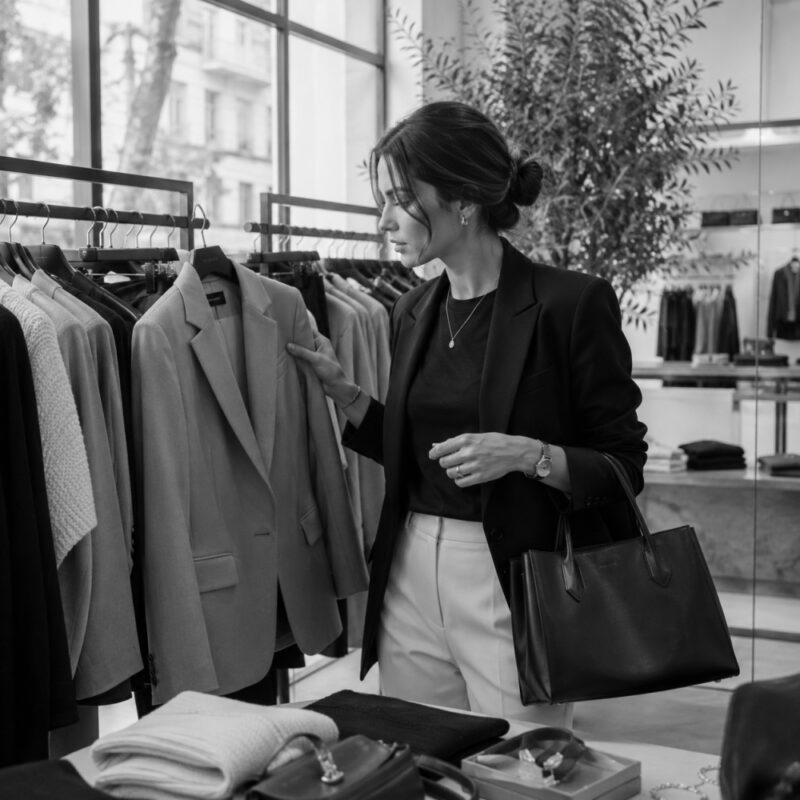
A versatile wardrobe rarely happens by accident. It is usually the result of thoughtful decisions made over time rather than a series of impulse buys. Smart clothing purchases begin with understanding what already exists in a closet and identifying genuine gaps instead of chasing temporary excitement. When shoppers focus on pieces that complement what they already own, every new addition has a clear role. This approach helps create more outfit combinations while reducing the feeling that something new is always needed.
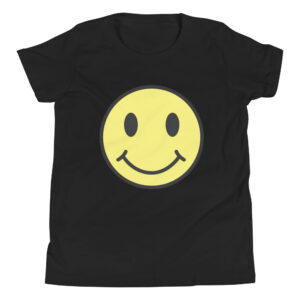
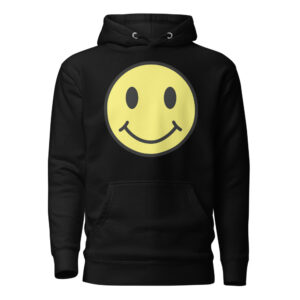
Hoodies
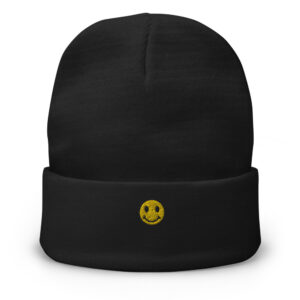
Beanies
Building Around Reliable Foundations
The most adaptable wardrobes are built on dependable core pieces that can be styled in multiple ways. Items such as well-fitted trousers, quality denim, versatile footwear, and timeless outerwear often become the backbone of everyday dressing. These foundations allow trend-driven or seasonal pieces to be introduced without overwhelming the closet. By prioritizing garments that work across different settings, people gain more flexibility and spend less time struggling to put outfits together each morning.
Why Smart Clothing Purchases Reduce Waste
Many clothing items are purchased with good intentions but end up being worn only once or twice. This often happens when an item looks appealing on its own but fails to integrate with the rest of a wardrobe. Smart clothing purchases help avoid this problem by encouraging buyers to consider how a garment will function long after it leaves the store. When clothing can be worn across multiple occasions and paired with existing favorites, it remains relevant for much longer. The result is a wardrobe that feels useful rather than crowded.
Hoodies
Beanies
Looking Beyond Price Alone
Price is often the first factor people notice, but it should not be the only consideration. A low-cost garment that quickly loses its shape or only works for a single occasion may provide less value than a higher-quality item worn regularly for years. Evaluating clothing based on durability, comfort, versatility, and frequency of use creates a more accurate picture of value. Shoppers who adopt this mindset often discover that buying fewer but better-suited pieces leads to greater satisfaction over time.
Smart Clothing Purchases Support Personal Style
Personal style becomes easier to define when shopping decisions are made with consistency in mind. Instead of accumulating random items that never quite work together, shoppers begin recognizing patterns in the colors, silhouettes, and fabrics they genuinely enjoy wearing. Smart clothing purchases reinforce those preferences and gradually create a wardrobe with a clear identity. Rather than depending on trends to guide every decision, individuals can build confidence in choices that reflect their lifestyle and personality.
Hoodies
Beanies
Creating Long-Term Flexibility
A versatile closet is ultimately about freedom. It allows people to dress appropriately for a wide range of situations without feeling the need to constantly shop for something new. Over time, carefully selected pieces create countless combinations, making everyday dressing simpler and more enjoyable. The goal is not to own the most clothing but to own clothing that serves a purpose. When each addition contributes to the overall functionality of a wardrobe, getting dressed becomes less about searching for options and more about appreciating the possibilities already available.
