

-
×
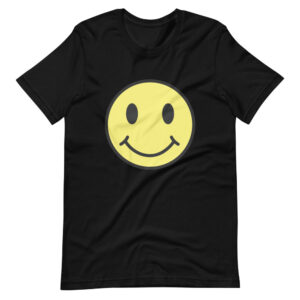 Have a Nice Day T-Shirt
1 × $111.00
Have a Nice Day T-Shirt
1 × $111.00

20
Mar
Mar
Why Buying Clothes Often Feels Harder Than It Should
Most people don’t realise how many small decisions go into building a wardrobe, which is why mistakes when buying clothes happen so easily without being noticed. It’s rarely about having bad taste. It usually comes down to habits like rushing purchases, relying on guesswork, or not fully understanding what actually suits your body and lifestyle. Over time, these small missteps build up, leaving you with clothes that feel slightly off, rarely get worn, or never quite come together the way you expected.
Original price was: $222.00.$111.00Current price is: $111.00.
Hoodies
Original price was: $222.00.$111.00Current price is: $111.00.
Original price was: $222.00.$111.00Current price is: $111.00.
Beanies
Original price was: $222.00.$111.00Current price is: $111.00.
Ignoring Fit Is One of the Biggest Mistakes When Buying Clothes
One of the most common mistakes when buying clothes is focusing on the size label instead of how the garment actually fits. Sizes vary across brands, and even within the same store, so relying on a number creates inconsistency straight away. What matters more is how the clothing sits on your shoulders, how it falls through your torso, and whether the length works with your proportions. When fit is slightly off, everything else suffers, and even well-designed pieces can look awkward or uncomfortable without you fully understanding why.
Buying for Trends Instead of Your Actual Lifestyle
It’s easy to get pulled into trends, especially when everything looks appealing online or in-store displays. The problem is that trends don’t always match your daily routine. Buying something just because it looks good in theory often leads to it sitting untouched in your wardrobe. Clothes need to align with where you go, what you do, and how you prefer to feel throughout the day. When purchases reflect real life instead of imagined scenarios, outfits become easier to wear and far more consistent.
Original price was: $222.00.$111.00Current price is: $111.00.
Hoodies
Original price was: $222.00.$111.00Current price is: $111.00.
Original price was: $222.00.$111.00Current price is: $111.00.
Beanies
Original price was: $222.00.$111.00Current price is: $111.00.
Repeating the Same Mistakes When Buying Clothes Without Noticing
A lot of people fall into quiet patterns when they shop. They buy the same styles repeatedly, even when those items have never worked for them in the past. This is one of the more subtle mistakes when buying clothes because it feels familiar rather than obviously wrong. It might be a certain cut that doesn’t suit your shape or a colour that never feels right once you get home. Without stepping back and noticing these patterns, the cycle continues, and your wardrobe fills with versions of the same mistake.
Why Fabric and Quality Change Everything
Fabric plays a bigger role than most people expect, yet it’s often overlooked in favour of appearance alone. Two items can look nearly identical on a hanger but feel completely different once worn. Heavier fabrics tend to hold their structure and create cleaner lines, while lighter materials can feel more relaxed but may cling or lose shape more easily. Paying attention to texture, weight, and how the fabric moves can make the difference between something that feels effortless and something that never quite sits right.
Original price was: $222.00.$111.00Current price is: $111.00.
Hoodies
Original price was: $222.00.$111.00Current price is: $111.00.
Original price was: $222.00.$111.00Current price is: $111.00.
Beanies
Original price was: $222.00.$111.00Current price is: $111.00.
Avoiding Common Mistakes When Buying Clothes Starts With Awareness
One of the quieter mistakes people make is buying clothes without thinking about how they fit into the rest of their wardrobe. When items don’t connect, getting dressed becomes unnecessarily complicated. Avoiding common mistakes when buying clothes starts with a simple awareness of what you already own and what you actually wear. Pieces that can be combined easily with others tend to get far more use, and they help create a sense of consistency that makes your overall style feel more natural.
Rushing Purchases Leads to Regret Later
Impulse decisions are one of the fastest ways to build a wardrobe that doesn’t work. Whether it’s driven by a sale, limited availability, or just the mood to buy something new, rushing removes the chance to properly think things through. Taking a moment to pause, try something on properly, or even walk away for a bit can completely change how you feel about a purchase. Slowing down introduces a level of clarity that helps you avoid adding more pieces that don’t quite belong.
Original price was: $222.00.$111.00Current price is: $111.00.
Hoodies
Original price was: $222.00.$111.00Current price is: $111.00.
Original price was: $222.00.$111.00Current price is: $111.00.
Beanies
Original price was: $222.00.$111.00Current price is: $111.00.
A More Natural Way to Build a Wardrobe That Works
Avoiding these habits doesn’t mean overcomplicating the process or second-guessing every decision. It comes down to paying attention, recognising what works, and being honest about what doesn’t. When you start making choices based on your actual preferences and routines, your wardrobe begins to feel easier to manage. Over time, everything becomes more consistent, and getting dressed stops feeling like something you have to figure out each day and starts feeling automatic.
