

Aug
Clothing Details Set The Tone
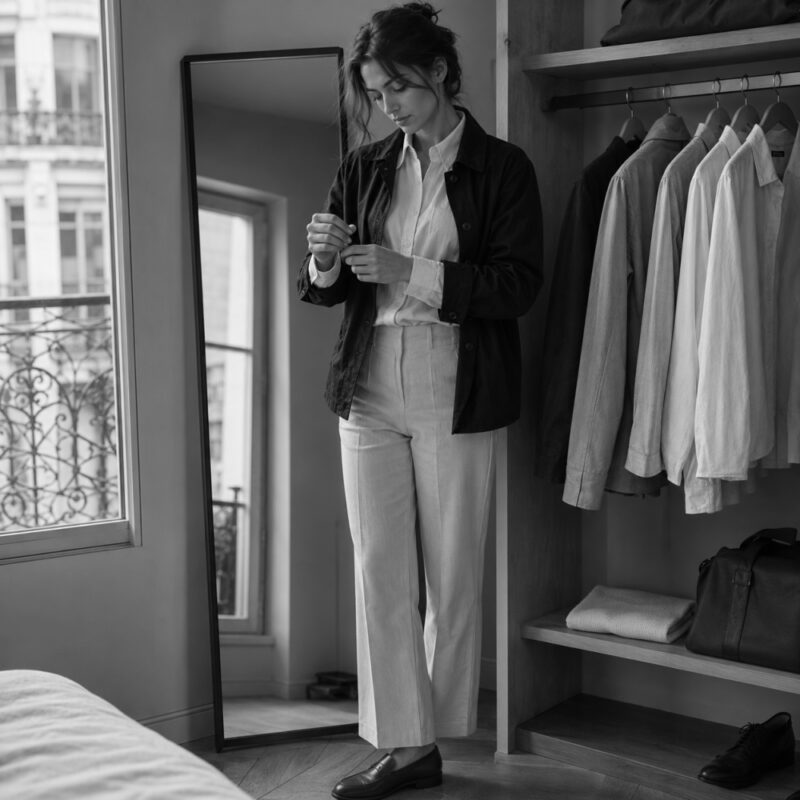
Clothing details can quietly change the character of an everyday outfit, from the texture of a shirt to the way a sleeve falls at the wrist. Small decisions can make simple clothes feel more considered without making them appear overly styled, particularly when the details work naturally with the overall shape and fabric of each garment. This subtle approach can make familiar wardrobe pieces feel noticeably more distinctive.
Fabric Gives Simple Pieces More Character
A well-chosen fabric is one of the easiest places to notice this difference. Natural cotton with a visible weave, fine wool with a soft surface or linen with its characteristic texture can give familiar pieces more personality. The material itself can provide enough visual interest without relying on bold patterns, elaborate finishes or decorative elements. A simple garment often looks richer when its material has a character of its own.

Hoodies

Beanies
Clothing Details Begin With The Cut
The cut of a garment influences how those smaller elements are seen when the clothing is worn. A shirt with well-proportioned shoulders, trousers that fall cleanly over the shoe and a jacket that follows the natural line of the body can create balance without appearing restrictive. When the silhouette works, even a straightforward combination can feel deliberate. Good proportions allow the clothing to look polished while still feeling natural to wear.
Texture Adds Depth Without Adding Noise
Texture gives an outfit another layer of interest, especially when the colours remain restrained. A plain cream shirt can feel distinctive when its cotton has a subtle slub, while brushed wool or softly textured knitwear can bring depth to an otherwise simple combination. These surfaces create something for the eye to notice while keeping the overall appearance calm. This makes texture particularly useful for wardrobes built around understated colours.
Hoodies
Beanies
Clothing Details Show In The Finishing
Small finishing choices can have a surprisingly strong effect on how a garment looks and feels. Buttons, stitching, collars, cuffs, pockets and hems all contribute to its character, even when they are not immediately noticeable. Neatly finished seams and carefully proportioned buttons can make an everyday shirt feel more refined without changing its basic appearance. The result is a garment that rewards closer attention without appearing designed to attract it.
Colour Works Best With Proportion
Colour becomes more effective when it works alongside proportion and texture rather than trying to carry the entire outfit. Neutral shades can feel sophisticated when different garments have contrasting weights and surfaces. A textured shirt with smooth trousers, for example, creates visual interest without requiring a complicated colour combination or an obviously styled appearance. This balance allows individual pieces to complement one another instead of competing for attention.
Hoodies
Beanies
Everyday Layers Need The Right Balance
Layering gives smaller choices another opportunity to influence an outfit. The amount of shirt visible beneath a jacket, the position of a cuff or the way knitwear sits around the neckline can subtly alter the proportions of the entire look. These choices can make familiar combinations feel more polished while preserving the relaxed quality that makes everyday clothing practical. Even a small adjustment can change how the different layers relate to one another.
Quality Becomes Noticeable Through Use
The best details often become more apparent when clothing is worn regularly rather than viewed in isolation. A well-made shirt may retain its shape at the collar, trousers may continue to fall neatly after repeated wear and a jacket may sit comfortably without losing its structure. These qualities contribute to an impression of consistency that becomes difficult to replicate with purely decorative additions. Over time, this dependable performance becomes part of what makes a wardrobe feel thoughtfully assembled.
Hoodies
Beanies
Let The Details Speak Quietly
A simple outfit does not have to be plain, and considered dressing does not require excessive styling. When fabrics have character, proportions feel balanced and finishing touches are handled well, ordinary clothes can develop a distinctive presence of their own. The result feels personal rather than manufactured, allowing the quality of the clothing to speak naturally instead of demanding attention. That quiet sense of consideration is often what gives a simple outfit its lasting appeal.
