

-
×
 Have a Nice Day Kids T-Shirt
1 × $111.00
Have a Nice Day Kids T-Shirt
1 × $111.00
29
Sep
Sep
Everyday Clothes Start With How Your Day Feels
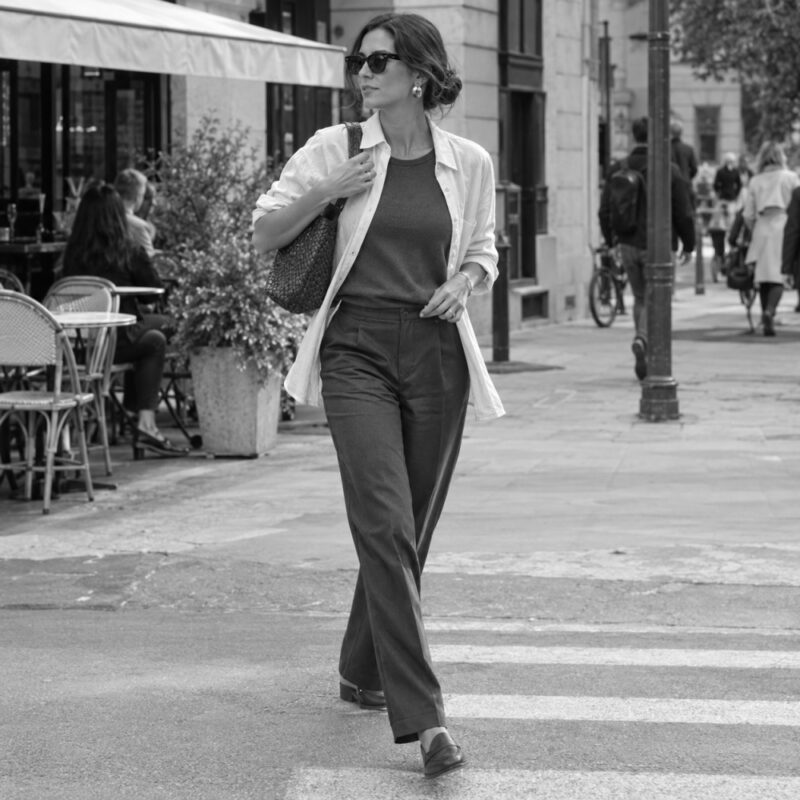
Everyday clothes can influence how freely and naturally you move through an ordinary day. The right pieces should work with your body rather than constantly needing adjustment, and everyday clothes can make walking, sitting, reaching or moving between different activities feel easier. A pair of trousers that allows a comfortable stride, a shirt that stays in place and shoes that suit the amount of walking ahead can all affect how an outfit feels once you leave the house. When clothing supports movement without demanding attention, getting dressed becomes less about managing your clothes and more about getting on with the day.
Original price was: $222.00.$111.00Current price is: $111.00.

Hoodies
Original price was: $222.00.$111.00Current price is: $111.00.
Original price was: $222.00.$111.00Current price is: $111.00.
Beanies
Original price was: $222.00.$111.00Current price is: $111.00.
Clothing Should Work With Your Natural Movement
The way clothing moves with the body often matters more than how it looks when you are standing still. Fabric weight, stretch, proportions and construction can all change the experience of wearing a particular piece. Trousers that feel comfortable while standing may become restrictive when sitting for a long period, while a fitted top may look polished but become frustrating when reaching or carrying something. Clothing works best when its shape reflects the movements you are likely to make. A relaxed shirt, softly structured trousers or a skirt with enough room through the legs can provide freedom without making an outfit feel deliberately casual.
Everyday Outfits Can Change Your Sense Of Ease
Different days naturally call for different levels of movement, and clothing can respond without requiring an entirely different wardrobe. Someone walking across a city may want lightweight layers and shoes that remain comfortable over distance, while a day spent between meetings, cafés and transport may call for pieces that sit neatly without feeling rigid. The useful question is not simply whether something looks good, but whether it continues to feel right after several hours of wear. Everyday outfits become more versatile when they accommodate the actual rhythm of the day rather than an imagined version of it.
Original price was: $222.00.$111.00Current price is: $111.00.
Hoodies
Original price was: $222.00.$111.00Current price is: $111.00.
Original price was: $222.00.$111.00Current price is: $111.00.
Beanies
Original price was: $222.00.$111.00Current price is: $111.00.
Movement Can Influence How An Outfit Comes Together
Thinking about movement can also change the way familiar pieces are combined. A structured jacket might work well over a simple top when the day involves mostly sitting, but a lighter overshirt could make more sense when walking and travelling are involved. A long coat may create a strong silhouette, yet a shorter layer can sometimes feel more practical when moving through crowded spaces. These choices do not mean sacrificing personal style for practicality. They simply allow the outfit to respond to what the day actually involves.
Ease Can Come From Small Clothing Details
Clothing does not need to be loose or oversized to feel comfortable in motion. Well-placed seams, considered proportions and fabrics with natural movement can create ease while keeping an outfit defined. A straight-leg trouser can allow a longer stride, while a softly shaped knit can follow the body without pulling across the shoulders. Even small details such as a waistband that sits comfortably or sleeves that do not restrict the arms can change how an outfit behaves. When those details work together, the clothing feels less noticeable, which can make the person wearing it feel more at ease.
Original price was: $222.00.$111.00Current price is: $111.00.
Hoodies
Original price was: $222.00.$111.00Current price is: $111.00.
Original price was: $222.00.$111.00Current price is: $111.00.
Beanies
Original price was: $222.00.$111.00Current price is: $111.00.
Everyday Clothes Feel Better When They Keep Up
The best outfits often reveal their value gradually rather than making an immediate statement. You notice them when you walk further than expected, sit comfortably through a long lunch or move from one part of the day to another without thinking about what you are wearing. Everyday clothes that support those moments can become the pieces you instinctively reach for because they fit naturally into real life. When clothing allows movement without losing its sense of style, the distinction between looking put together and feeling comfortable becomes much less important.
