

Sep
Wedding Dress Codes And Finding Your Place
Wedding dress codes can provide useful guidance, but they no longer dictate every detail of an outfit. Wedding dress codes increasingly leave room for guests to interpret formality through colour, cut, texture and accessories. A formal invitation might suggest an elevated look without requiring everyone to dress identically. This shift gives guests more opportunity to consider the setting while still showing some personality.

Hoodies

Beanies
Reading The Invitation Beyond The Words
The wording of an invitation often gives clues that go beyond a stated dress code. A garden ceremony, city reception or evening celebration can each create a different expectation, even when the formal wording looks similar. Venue details, ceremony timing and the overall character of the event can help shape practical clothing choices. Paying attention to those details can make an outfit feel connected to the occasion rather than simply selected from a list of rules.
Personal Style Within Wedding Dress Codes
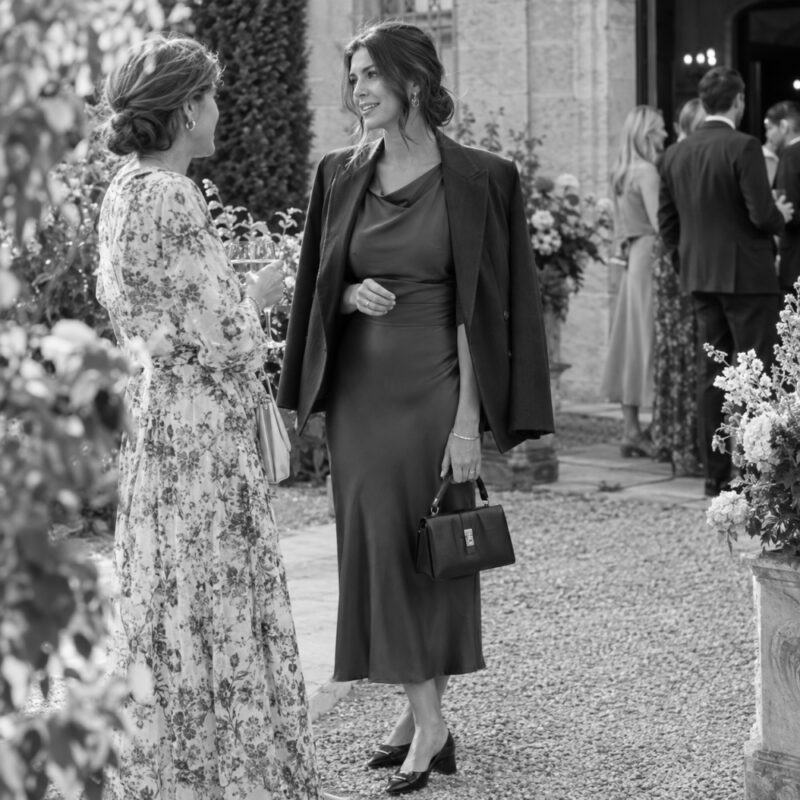
The most interesting wedding outfits often work within the boundaries of wedding dress codes while retaining something recognisable about the person wearing them. Someone who normally favours sharp tailoring might choose a sculpted blazer and flowing trousers for a formal celebration. Another guest may prefer a distinctive dress with restrained jewellery and polished shoes. The dress code establishes the setting, while personal style determines how the final outfit comes together.
Hoodies
Beanies
Colour Has Become More Individual
Colour offers another way for guests to express themselves without pushing against the character of a wedding. Soft neutrals, rich jewel tones and carefully chosen prints can all work depending on the venue and time of day. Guests are also becoming more thoughtful about how colours photograph alongside the surroundings. Rather than relying on a single idea of what a wedding outfit should look like, colour can help create a more personal interpretation.
Accessories Can Change The Entire Look
Accessories have a surprisingly strong influence on how an outfit reads. A structured handbag can sharpen a flowing dress, while sculptural earrings can bring a modern edge to restrained tailoring. Shoes can also alter the character of an otherwise familiar combination. These details allow guests to experiment without replacing the main outfit, making them especially useful when an invitation calls for a particular level of formality.
Hoodies
Beanies
Dressing For The Setting
The location remains an important part of deciding what to wear. An outdoor ceremony may call for practical footwear and fabrics that work well with the surroundings, while an evening reception in an elegant venue can support more polished layers and accessories. Weather also deserves attention, particularly when celebrations move between indoor and outdoor spaces. Good wedding dressing responds to the environment instead of treating the dress code as though it exists separately from the event.
When Wedding Dress Codes Leave Room To Experiment
Modern celebrations can make space for a wider range of interpretations. Some couples provide detailed guidance, while others deliberately keep their wording open. That flexibility allows guests to make choices based on their own wardrobes, preferences and understanding of the occasion. The result can be a more varied visual atmosphere, where individuality sits comfortably alongside the shared formality of the celebration.
Hoodies
Beanies
Making The Outfit Feel Like Your Own
A wedding outfit does not need to become a costume simply because the occasion is special. The strongest choices often begin with something the wearer already feels confident in, then adjust the proportions, materials or accessories to suit the celebration. Wedding dress codes can offer direction without removing personality. That balance gives guests space to look appropriate for the occasion while still feeling recognisably themselves.
