

-
×
 Have a Nice Day Kids T-Shirt
1 × $111.00
Have a Nice Day Kids T-Shirt
1 × $111.00
25
Mar
Mar
Where Better Wear Starts
If you want to make clothes last longer, it doesn’t begin in the wash — it begins with how you wear and rotate your clothes day to day. Most people underestimate how much daily habits affect longevity. Sitting, stretching, repeated friction, and even how you take clothes off all contribute to gradual wear. When the same items are used heavily without a break, the fabric never gets a chance to recover, which leads to faster breakdown. Paying attention to how often you reach for certain pieces is the first step toward building a wardrobe that holds up.
Why Clothes Wear Out Faster Than They Should
Clothes rarely fall apart all at once. Instead, they slowly lose their shape, colour, and structure through repeated stress. Overwashing is one of the biggest causes, especially when combined with hot water and aggressive cycles. Detergents can also be harsher than necessary, stripping fibres over time. On top of that, poor storage habits — like overcrowding or hanging delicate items incorrectly — add constant tension to fabrics. These small issues might not be noticeable immediately, but they build up and shorten the lifespan of clothing far earlier than expected.
Original price was: $222.00.$111.00Current price is: $111.00.
Hoodies
Original price was: $222.00.$111.00Current price is: $111.00.
Original price was: $222.00.$111.00Current price is: $111.00.
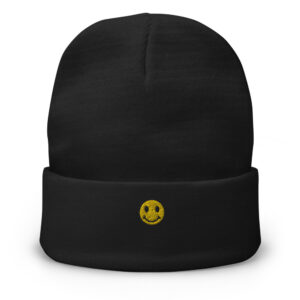
Beanies
Original price was: $222.00.$111.00Current price is: $111.00.
Simple Habits That Help Make Clothes Last Longer
To make clothes last longer, the focus should be on consistent, low-effort habits that reduce unnecessary strain. Letting clothes air out after wearing them instead of immediately washing them can significantly extend their life. When washing is needed, using cold water and gentler cycles helps preserve both fabric strength and colour. Turning garments inside out protects the outer surface, especially for darker or more structured pieces. Avoiding high heat when drying is just as important, as it weakens fibres and can cause shrinkage over time.
Why Wearing the Same Pieces Too Often Causes Damage
It’s easy to rely on a few favourite items, but wearing the same clothes too often accelerates wear. Fabric needs time to rest between uses, especially in areas that experience the most strain like elbows, knees, and waistlines. Without that recovery time, fibres stay stretched and gradually lose their ability to return to shape. Rotating your wardrobe more evenly spreads out this stress, allowing each piece to maintain its structure for longer without extra effort.
Original price was: $222.00.$111.00Current price is: $111.00.
Hoodies
Original price was: $222.00.$111.00Current price is: $111.00.
Original price was: $222.00.$111.00Current price is: $111.00.
Beanies
Original price was: $222.00.$111.00Current price is: $111.00.
How to Make Clothes Last Longer With Better Storage
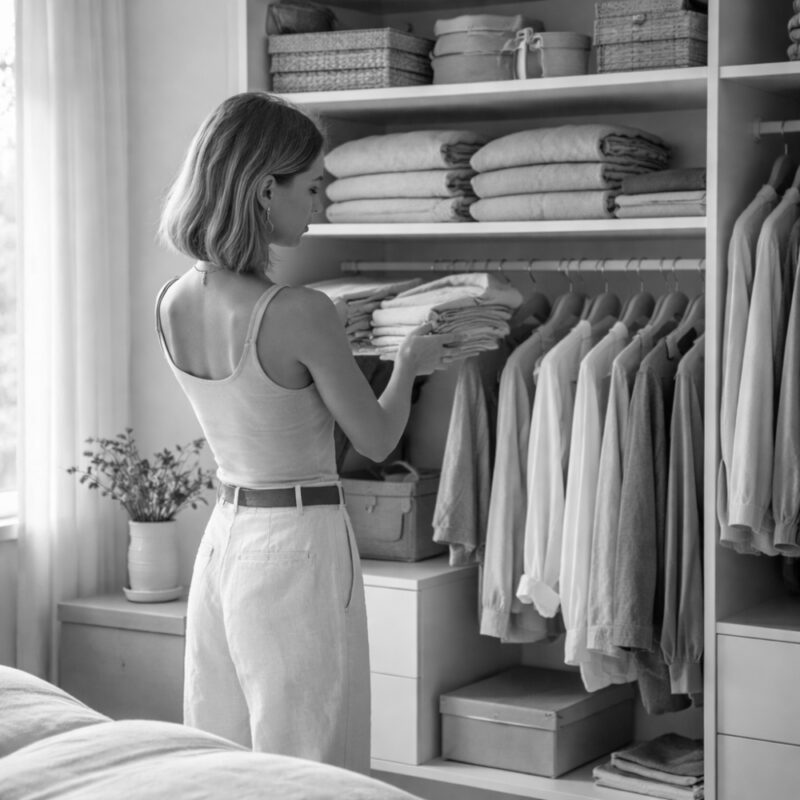
Storage plays a bigger role than most people expect. To make clothes last longer, they need space and proper support when not being worn. Overcrowded wardrobes create constant friction, which leads to pilling and misshaping. Heavier garments like coats or knits should be stored in a way that supports their weight, while softer items are often better folded to prevent stretching. Keeping your wardrobe organised also makes it easier to rotate what you wear, which naturally reduces overuse.
Getting More Wear Without Forcing Outfits
Making clothes last isn’t about forcing yourself into outfits that don’t feel right. It’s about keeping your wardrobe in a condition where everything remains wearable and reliable. When clothes maintain their structure, fit, and colour, you’re more likely to wear them without hesitation. This creates a more natural rhythm when getting dressed, where outfits come together easily because nothing feels worn out or overused.
Original price was: $222.00.$111.00Current price is: $111.00.
Hoodies
Original price was: $222.00.$111.00Current price is: $111.00.
Original price was: $222.00.$111.00Current price is: $111.00.
Beanies
Original price was: $222.00.$111.00Current price is: $111.00.
Why It Pays to Make Clothes Last Longer Over Time
When you make clothes last longer, the benefits build quietly but consistently. Your wardrobe becomes easier to rely on because nothing drops out of rotation too quickly. You spend less time replacing items and more time actually wearing them. Over time, this creates a sense of consistency where your clothes feel dependable, your outfits come together faster, and getting dressed becomes a smoother, more natural part of your day.
