

-
×
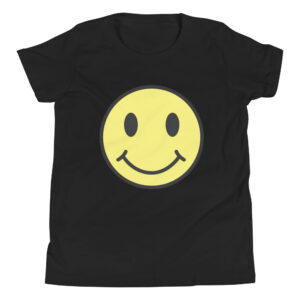 Have a Nice Day Kids T-Shirt
1 × $111.00
Have a Nice Day Kids T-Shirt
1 × $111.00

22
Aug
Aug
Weekend Outfit Planning Starts With A Strong Base
When plans can shift from a quiet morning to lunch, shopping, or an unexpected evening invitation, weekend outfit planning becomes less about predicting the day and more about choosing clothes that can adapt. A comfortable base of well-fitting trousers, a simple shirt or refined top, and practical footwear creates an easy starting point without making the outfit feel overly casual.
Original price was: $222.00.$111.00Current price is: $111.00.

Hoodies
Original price was: $222.00.$111.00Current price is: $111.00.
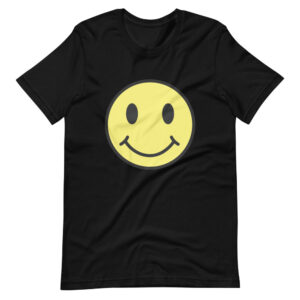
Original price was: $222.00.$111.00Current price is: $111.00.
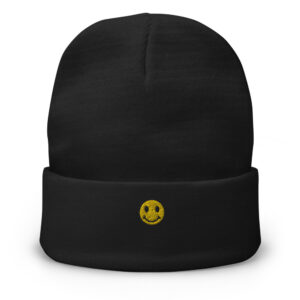
Beanies
Original price was: $222.00.$111.00Current price is: $111.00.
Choose Layers That Can Change The Mood
A lightweight jacket, cardigan, overshirt, or relaxed blazer can completely alter the feel of an outfit without requiring a full change. Keeping one useful layer nearby makes it easier to move between different settings because the same foundation can become more polished or relaxed as the day develops. A structured jacket can sharpen simple trousers and a shirt, while a softer layer keeps the same combination comfortable for slower parts of the day.
Weekend Outfit Planning Can Make Footwear More Flexible
Shoes can determine whether an outfit feels ready for a long walk, an afternoon coffee, or a more polished dinner. Clean leather sneakers can work particularly well when the day involves plenty of movement, while loafers or understated ankle boots can add a sharper finish when plans become more formal. Choosing footwear that is comfortable enough for several hours prevents an outfit from becoming impractical simply because the schedule changed.
Original price was: $222.00.$111.00Current price is: $111.00.
Hoodies
Original price was: $222.00.$111.00Current price is: $111.00.
Original price was: $222.00.$111.00Current price is: $111.00.
Beanies
Original price was: $222.00.$111.00Current price is: $111.00.
Keep Accessories Easy To Add
Small accessories can give a familiar outfit a completely different character. A leather shoulder bag, sunglasses, simple jewellery, or a lightweight scarf can be added as the day develops without making the outfit feel overworked. Keeping these details uncomplicated allows them to respond naturally when an ordinary weekend outing turns into something more social or unexpected.
Weekend Outfit Planning Works Better With Presentable Fabrics
Weekend clothing needs to cope with sitting, walking, travelling, and potentially spending several hours away from home. Fabrics with a little structure can retain a polished appearance, while natural materials such as cotton, linen blends, and lightweight wool can bring texture without feeling restrictive. Choosing pieces that still look good after several hours makes it easier to stay comfortable without constantly thinking about whether the outfit needs adjusting.
Original price was: $222.00.$111.00Current price is: $111.00.
Hoodies
Original price was: $222.00.$111.00Current price is: $111.00.
Original price was: $222.00.$111.00Current price is: $111.00.
Beanies
Original price was: $222.00.$111.00Current price is: $111.00.
Build Around Pieces That Work Together
A flexible wardrobe does not need dozens of options. A small collection of trousers, shirts, knitwear, jackets, and versatile shoes can create numerous combinations when the colours and proportions work together. Neutral foundations are particularly useful because they allow individual pieces to be swapped without creating an outfit that looks mismatched. This makes changing plans feel less disruptive because the wardrobe already offers several natural combinations.
Leave Room For The Unexpected
The most useful weekend wardrobe is one that does not demand a perfectly organised schedule. Clothes should allow room for an extra coffee, an invitation to dinner, an afternoon spent outdoors, or a spontaneous change of location. When an outfit has enough comfort and polish to handle those possibilities, getting dressed becomes much simpler and the day can unfold without clothing becoming another decision to manage.
Original price was: $222.00.$111.00Current price is: $111.00.
Hoodies
Original price was: $222.00.$111.00Current price is: $111.00.
Original price was: $222.00.$111.00Current price is: $111.00.
Beanies
Original price was: $222.00.$111.00Current price is: $111.00.
Dress For The Day You Might Actually Have
Good clothing choices are ultimately about giving yourself options rather than trying to predict every detail in advance. Starting with comfortable, adaptable pieces and adding layers or accessories as circumstances change creates an outfit that can move naturally with the day. That flexibility leaves more attention for the plans themselves, especially when the best weekend moments are the ones nobody organised beforehand.
