

Dec
A Slower Perspective On Getting Dressed
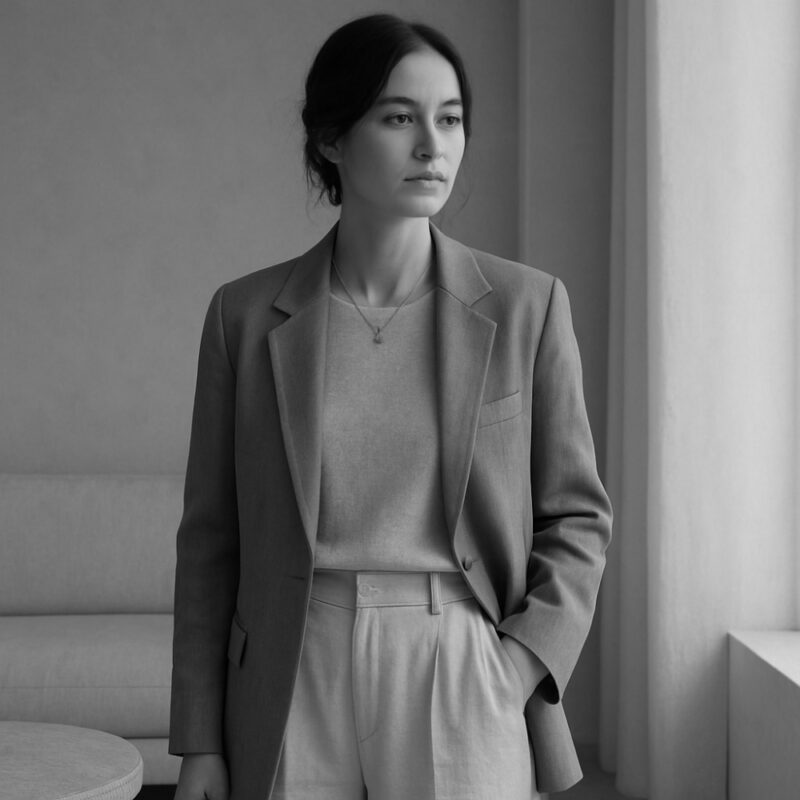
Slow fashion dressing is no longer just an idea discussed in theory, it is actively shaping how many people approach their wardrobes each day. Instead of dressing to keep up, this mindset encourages dressing to feel settled. Clothes are chosen for how they move, how they last, and how naturally they fit into real routines. This shift often happens quietly, without a dramatic overhaul, but it changes the tone of getting dressed in a noticeable way.
How Slow Fashion Dressing Changes Daily Outfit Decisions
When slow fashion dressing becomes part of everyday life, outfit choices start to feel less performative. Rather than assembling looks to signal relevance, people rely on combinations they already trust. Familiar silhouettes, repeated colour palettes, and dependable fabrics take precedence. This creates consistency, not boredom. Getting dressed becomes quicker, calmer, and less mentally demanding because the wardrobe is built around lived habits rather than imagined ones.
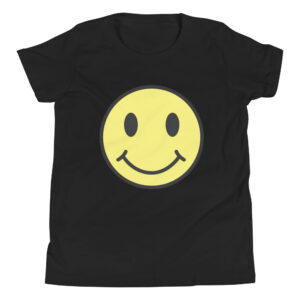
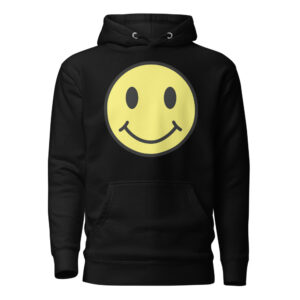
Hoodies
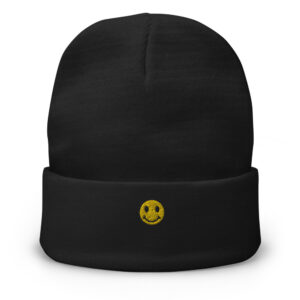
Beanies
The Move Away From Constant Newness
One of the clearest changes tied to this approach is the reduced urgency to buy something new. Clothing no longer needs to justify itself by being trendy. Pieces earn their place by working repeatedly across seasons and settings. This softens the pressure to refresh a wardrobe constantly and replaces it with confidence in what already exists. Over time, this steadiness reshapes how value is measured in clothing.
Why Slow Fashion Dressing Supports Longer Wear
Slow fashion dressing reframes longevity as a strength rather than a compromise. Clothes are expected to age, soften, and show signs of use. Washing is more deliberate, storage is more thoughtful, and minor repairs are seen as maintenance rather than inconvenience. This care deepens the relationship with clothing and shifts expectations away from perfection toward reliability, which is often what people want most from what they wear.
Hoodies
Beanies
Lifestyle Changes That Reinforce Slower Style Choices
Work patterns, social habits, and daily routines have all become less rigid, and wardrobes are adapting accordingly. Clothes that can move between home, errands, and social settings fit naturally into this slower rhythm. There is less separation between casual and polished, which makes versatile pieces more valuable. This flexibility reinforces a dressing style that prioritises comfort without sacrificing intention.
Building Identity Through Slow Fashion Dressing
Over time, slow fashion dressing clarifies personal style in a way trend driven wardrobes rarely do. When fewer external influences dictate choices, preferences become more visible. Certain cuts feel right repeatedly. Specific fabrics become non negotiable. Colours start to reflect mood rather than fashion cycles. This clarity allows new pieces to be added selectively, ensuring the wardrobe grows in alignment with the person wearing it.
Hoodies
Beanies
How Slow Fashion Dressing Settles Into Everyday Life
Slow fashion dressing becomes most visible once it no longer feels like a choice that needs reinforcing. Clothes fall into place through repetition, comfort, and trust rather than intention alone. Over time, outfits stop being assembled with effort and start reflecting a rhythm that feels natural, grounded, and quietly personal.
