

Jan
A Shift Toward Clothes That Work in Real Life
Balancing comfort and style has become a defining approach for modern women navigating full, unpredictable days. Clothing is no longer chosen for a single setting or moment but expected to perform across work, personal commitments, and downtime. This change reflects a broader understanding that comfort is not a compromise but a foundation for confidence. When women feel physically at ease in what they wear, they are more likely to move through the day with assurance, intention, and a sense of personal identity that feels grounded rather than forced.
Balancing Comfort and Style in Everyday Wardrobes
Everyday wardrobes are increasingly shaped by pieces that feel natural to wear while still appearing considered. Soft tailoring, breathable fabrics, and relaxed structures allow outfits to function without looking casual or unfinished. Women are favouring garments that can be worn for long hours without adjustment or discomfort. Balancing comfort and style in this way reduces decision fatigue and supports consistency, making daily dressing feel less demanding while still maintaining a polished, put-together appearance.


Hoodies

Beanies
Why Modern Lifestyles Demand More From Clothing
Modern routines rarely fit into neat categories, and clothing must adapt accordingly. Long commutes, flexible work environments, and active personal lives all influence daily outfit choices. Dressing for one role is no longer realistic, which is why functionality has become central to style decisions. Clothing that supports movement and long wear allows women to focus on their day rather than their outfit, shifting style away from performance and toward practicality rooted in real experience.
Balancing Comfort and Style Through Fabric and Construction
Fabric selection plays a critical role in how clothing feels and performs. Natural fibres and thoughtful blends allow garments to breathe, stretch, and move with the body. Well-constructed pieces maintain their shape without feeling restrictive, offering structure where needed and ease everywhere else. Balancing comfort and style at this level ensures outfits remain wearable from morning to evening, reinforcing the idea that good design should support the wearer rather than demand constant adjustment.
Hoodies
Beanies
Relaxed Silhouettes That Still Look Intentional
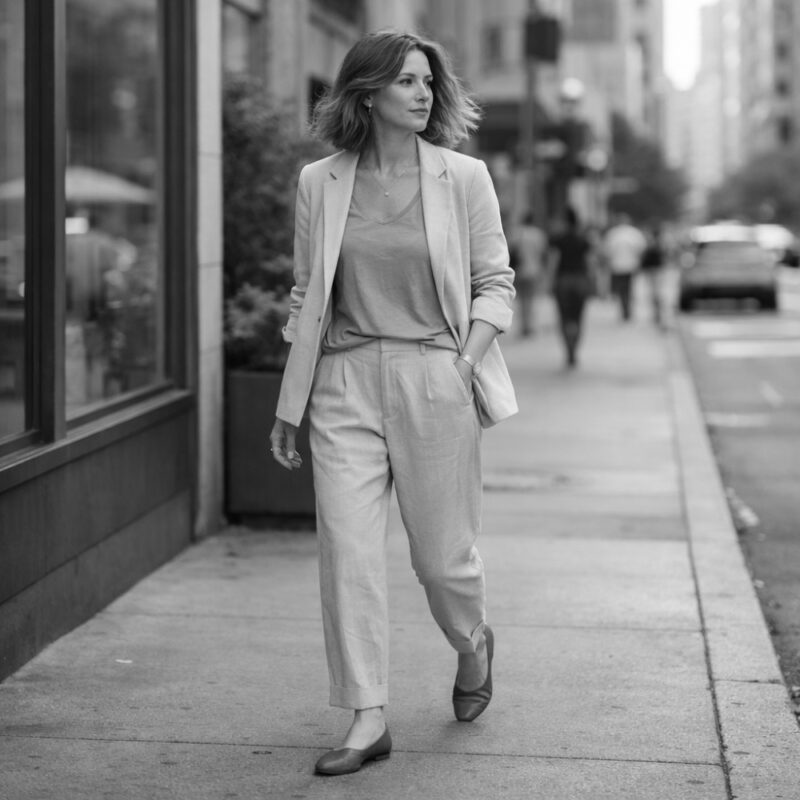
Relaxed silhouettes are now designed with precision rather than looseness for its own sake. Wide-leg trousers, fluid tops, and softly structured jackets follow the body without clinging, creating clean lines while allowing freedom of movement. These shapes offer visual balance and comfort simultaneously, proving that ease does not require sacrificing form. When silhouettes are intentional, outfits feel composed without appearing rigid, supporting confidence through wearability rather than excess detail.
Balancing Comfort and Style as a Form of Self-Trust
Choosing comfort-forward clothing is increasingly an expression of self-trust rather than trend avoidance. Women are dressing for how they live, not how fashion dictates they should appear. Balancing comfort and style becomes a personal standard, shaped by experience rather than external pressure. This approach encourages thoughtful shopping, fewer impulse purchases, and wardrobes built around longevity. Style becomes quieter, more personal, and more sustainable as a result.
Hoodies
Beanies
Dressing With Confidence in Everyday Life
When clothing aligns with real needs, confidence follows naturally. Women who dress for comfort alongside intention often appear more assured because they are not distracted by discomfort or self-consciousness. This shift marks a broader cultural change toward authenticity in fashion, where style supports daily life instead of interrupting it. Dressing well no longer means enduring discomfort, but feeling settled, capable, and confident in what is worn every day.
