

-
×
 Have a Nice Day Beanie
1 × $111.00
Have a Nice Day Beanie
1 × $111.00
19
Sep
Sep
Everyday Outfit Shapes Can Change A Familiar Look
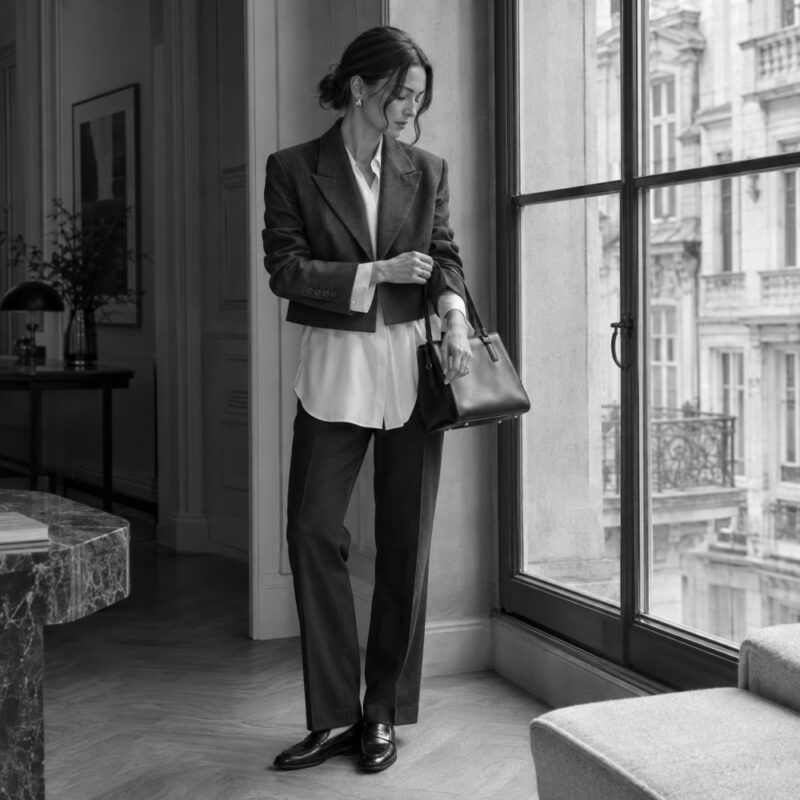
Everyday outfit shapes can change how familiar clothes look without requiring a completely different wardrobe. The relationship between garment lengths, layers and volume can give the same pieces a sharper, softer or more structured appearance. A simple pair of trousers can look entirely different beneath a cropped jacket than it does under a longer overshirt, while a tucked shirt can create a cleaner line than one left loose. These changes are subtle, but they can make an outfit feel considered rather than simply assembled from individual pieces.
Start With The Main Shape
Every outfit has a general shape that becomes noticeable before the smaller styling details come into focus. A tailored jacket can give the upper half a defined outline, while wide-leg trousers introduce more volume below. Rather than trying to make every garment equally prominent, it can help to decide which part of the outfit should provide the strongest visual structure. A fitted top beneath a relaxed jacket creates a different impression from an oversized shirt paired with equally loose trousers, even when the colours and fabrics remain almost identical.
Original price was: $222.00.$111.00Current price is: $111.00.
Hoodies
Original price was: $222.00.$111.00Current price is: $111.00.
Original price was: $222.00.$111.00Current price is: $111.00.
Original price was: $222.00.$111.00Current price is: $111.00.
Everyday Outfit Shapes And Layering
Layering has a particularly strong effect because every additional garment introduces another hem, line or area of volume. A short jacket worn over a longer shirt creates visible contrast, while a long coat can cover much of the outfit and produce a more continuous silhouette. Everyday outfit shapes become easier to understand when you pay attention to where garments finish and how those points relate to one another. The difference between a jacket ending at the waist and ending at the hip may seem small on its own, yet it can noticeably alter the proportions of the complete outfit.
Use Lengths To Create Contrast
Different garment lengths can bring movement and interest to clothes that might otherwise feel predictable. A cropped knit can sit neatly above high-waisted trousers, while a longer shirt can extend below a shorter jacket and create another visible layer. The contrast does not need to be dramatic to work. Even a few centimetres between two hems can separate the pieces and give the outfit a clearer sense of depth. This approach can also make familiar garments feel different simply by changing which pieces sit above or below one another.
Original price was: $222.00.$111.00Current price is: $111.00.
Hoodies
Original price was: $222.00.$111.00Current price is: $111.00.
Original price was: $222.00.$111.00Current price is: $111.00.
Original price was: $222.00.$111.00Current price is: $111.00.
Balance Volume Across The Outfit
Volume often becomes easier to wear when there is some variation between the upper and lower halves of the outfit. Roomier trousers can sit comfortably beneath a closer-fitting knit, while an oversized shirt can work with straighter trousers or a narrower skirt. These are not rules that every outfit needs to follow, but they provide useful starting points when a combination feels visually heavy. Reducing volume in one area can give a larger garment more definition and allow its shape to become part of the styling rather than making the whole outfit appear oversized.
Let Layers Remain Visible
Visible layers can add depth without making an outfit feel complicated. A shirt collar emerging from beneath knitwear, a longer hem extending below a jacket, or an open coat revealing the clothing underneath can each contribute to the overall outline. These details also prevent separate garments from visually blending into one block. When the layers have enough space to remain distinct, each piece can retain its character while still contributing to one cohesive outfit.
Original price was: $222.00.$111.00Current price is: $111.00.
Hoodies
Original price was: $222.00.$111.00Current price is: $111.00.
Original price was: $222.00.$111.00Current price is: $111.00.
Original price was: $222.00.$111.00Current price is: $111.00.
Everyday Outfit Shapes With Familiar Clothes
Experimenting with proportion does not require buying anything new. Changing the jacket worn with your usual trousers, leaving a shirt untucked beneath a shorter layer, or swapping a fitted top for something more relaxed can alter the entire outline. Even changing where a sleeve is pushed or where a hem sits can make a familiar combination look noticeably different. This is one reason a wardrobe can offer more possibilities than it first appears to, particularly when the same garments can be arranged in several different proportions.
Give Existing Pieces A Different Role
A garment can take on a new purpose when its relationship with the rest of an outfit changes. A shirt that normally works as a standalone top can become a visible layer beneath knitwear, while a structured jacket can provide definition over softer clothing. Trousers can also change their effect depending on what sits above them, with a longer outer layer creating one silhouette and a shorter jacket creating another. Looking at clothes through these relationships can make styling feel more creative without turning it into a search for constant novelty.
Original price was: $222.00.$111.00Current price is: $111.00.
Hoodies
Original price was: $222.00.$111.00Current price is: $111.00.
Original price was: $222.00.$111.00Current price is: $111.00.
Original price was: $222.00.$111.00Current price is: $111.00.
Finding A Shape That Feels Natural
The most convincing outfits rarely depend on following a rigid formula. They tend to come from noticing how different lengths, volumes and layers sit together, then making small adjustments until the proportions feel natural. Once you start seeing clothing in terms of overall shape rather than isolated pieces, familiar wardrobe combinations can become more interesting. A change as simple as exposing another layer or shifting the balance between fitted and relaxed garments can give an established outfit a completely different presence.
