


Mar
The Signals Your Outfit Sends Before You Speak
First impressions often begin long before a conversation starts. In everyday situations, clothing first impressions form the moment someone enters a room or approaches a new interaction. People naturally notice clothing because it is one of the first visible cues available. Fit, color choices, and overall presentation quietly communicate signals about confidence, personality, and attention to detail. Even when people are not consciously analyzing what someone is wearing, their brain still processes those visual clues quickly. A clean, balanced outfit can suggest organization or care, while a relaxed combination may communicate creativity or ease. These interpretations are not always accurate, but they still influence how others feel when meeting someone for the first time.
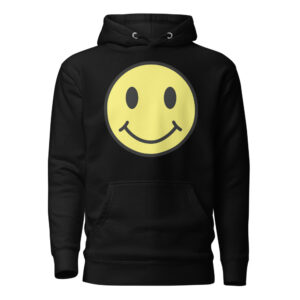
Hoodies
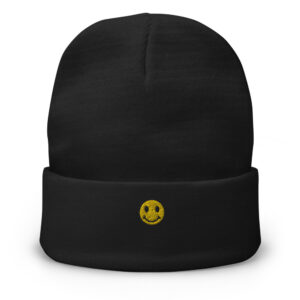
Beanies
Why Clothing First Impressions Form So Quickly
Humans are wired to make fast visual judgments, which is why clothing first impressions tend to develop within seconds. Clothing offers immediate information that helps people form a quick mental picture of someone they have just encountered. Because the brain prefers efficiency, it often uses these visible cues as shortcuts when deciding how to respond socially. A structured outfit might create a sense of professionalism or authority, while casual clothing can suggest openness or comfort. None of these signals define who someone truly is, but they still shape the early atmosphere of an interaction. These quick impressions can influence tone, body language, and even how easily conversations begin between people who have just met.
The Details People Notice Without Realizing
Many people assume dramatic fashion choices create the strongest impressions, but subtle details often have a greater impact. Elements like proper fit, balanced colors, and fabric quality quietly shape how an outfit appears. Clothing that sits comfortably on the body tends to look intentional, while garments that appear wrinkled or poorly fitted can unintentionally send the opposite signal. Small details such as clean shoes, neat collars, or coordinated layers often go unnoticed consciously, yet they still contribute to the overall perception of the outfit. These visual elements combine to create an impression of ease or polish that people recognize without actively thinking about it.
Hoodies
Beanies
How Clothing First Impressions Influence Social Interaction
Once clothing first impressions form, they often guide the tone of early interaction. When someone appears confident or comfortable in their clothing, others may feel more relaxed engaging with them. In professional settings, a thoughtful outfit can help establish credibility before discussions even begin. In casual environments, clothing that reflects personal style can signal approachability and authenticity. While clothing alone cannot define someone’s abilities or personality, it can shape the early emotional atmosphere of a conversation. This subtle influence explains why many people carefully choose outfits before important meetings, events, or introductions.
When Personal Style Feels Authentic
The strongest clothing choices rarely come from copying trends or trying too hard to impress. Instead, they often come from wearing pieces that feel natural and comfortable. Personal style becomes more convincing when it reflects the wearer’s preferences rather than outside pressure. When someone feels comfortable in what they are wearing, that confidence tends to show in posture, movement, and conversation. A simple outfit worn naturally often leaves a stronger impression than something complicated that feels forced. Authentic style communicates a sense of ease that people tend to notice immediately.
Hoodies
Beanies
Clothing First Impressions Continue Beyond the First Meeting
Although the first few seconds of interaction matter, clothing first impressions can continue to shape perception over time. Repeated encounters gradually build a consistent image of someone’s personal style. When clothing choices remain thoughtful and authentic, they contribute to a recognizable presence that people begin to associate with the individual. Over time, clothing becomes part of how someone is remembered in professional and social settings. These everyday choices may seem small in the moment, yet they quietly influence how people are perceived long after the first introduction has passed.
