

-
×
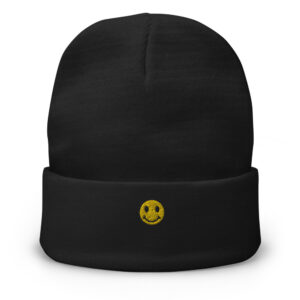 Have a Nice Day Beanie
1 × $111.00
Have a Nice Day Beanie
1 × $111.00
31
Jan
Jan
When a Simple Errand Started to Feel Heavy
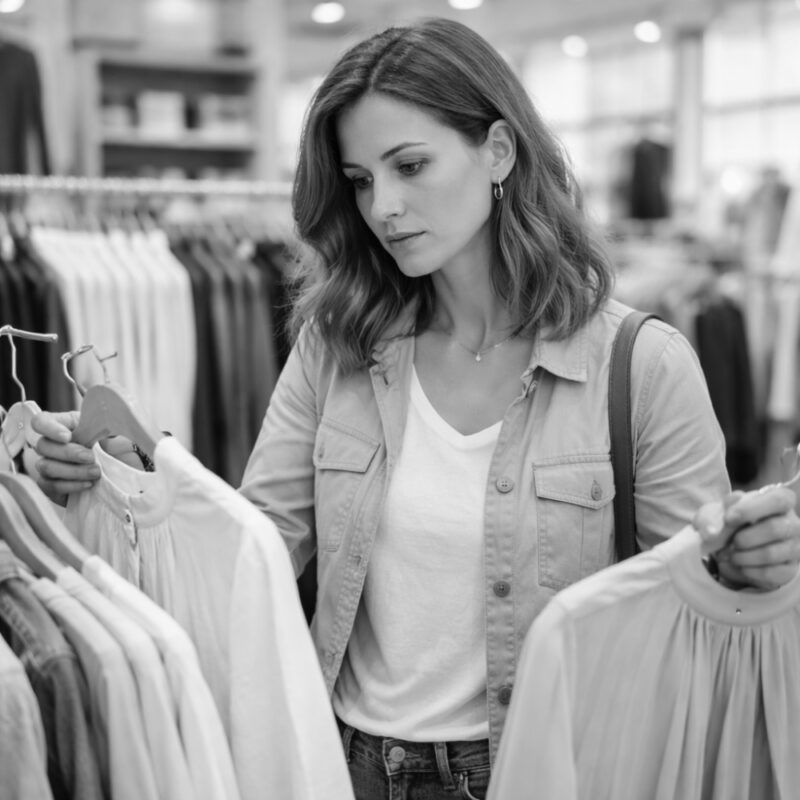
For many people, buying clothes no longer feels casual or low-effort. What was once a routine task now carries hesitation and delay. Browsing happens slower, decisions feel harder, and leaving without buying anything feels normal rather than accidental. The difficulty doesn’t come from a lack of interest in clothing, but from a sense that the process itself has changed in subtle but meaningful ways.
Why Shopping for Clothes Lost Its Familiar Rhythm
Why shopping for clothes once felt predictable was because patterns existed. Shoppers knew which stores fit their body, which fabrics felt right, and which price points made sense. That rhythm built confidence over time. As brands shifted production, sizing, and materials, those patterns dissolved. Today, familiarity is rare, and every shopping trip feels like starting over.
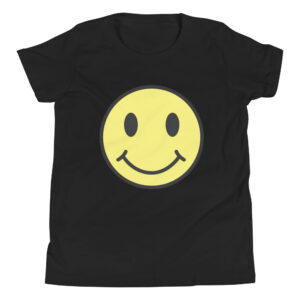
Original price was: $222.00.$111.00Current price is: $111.00.
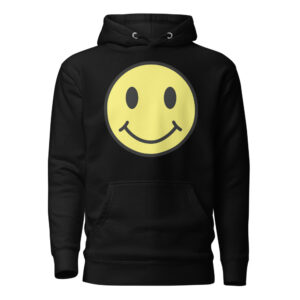
Hoodies
Original price was: $222.00.$111.00Current price is: $111.00.
Original price was: $222.00.$111.00Current price is: $111.00.
Original price was: $222.00.$111.00Current price is: $111.00.
Too Much Choice Without Enough Clarity
The expansion of choice hasn’t simplified decisions. It has complicated them. Rows of near-identical garments create noise rather than direction. Small differences in cut or fabric require close attention, and that effort adds up quickly. Instead of discovering something naturally, shoppers are forced to analyse, compare, and eliminate, which drains momentum early.
Why Shopping for Clothes Now Feels Risky
Why shopping for clothes carries more uncertainty is tied to trust. Fabric quality is harder to judge, durability feels inconsistent, and fit varies even within the same brand. Many people hesitate not because they are indecisive, but because past experiences taught them that disappointment is common. Buying now feels less like confidence and more like a calculated risk.
Original price was: $222.00.$111.00Current price is: $111.00.
Hoodies
Original price was: $222.00.$111.00Current price is: $111.00.
Original price was: $222.00.$111.00Current price is: $111.00.
Original price was: $222.00.$111.00Current price is: $111.00.
The Disconnect Between Images and Reality
Retail imagery has grown more refined while reality has grown less predictable. Perfect lighting, controlled poses, and careful styling create expectations that rarely survive everyday wear. Over time, this gap erodes trust. Shoppers learn to doubt what they see, approaching purchases with caution instead of curiosity.
When Clothing Became a Reflection of Identity
Clothing choices now carry social meaning beyond function. Outfits are read as signals of taste, values, and awareness, even in casual settings. That weight makes decisions feel personal. When something doesn’t feel right, the frustration often extends beyond the garment itself and into how someone imagines being seen while wearing it.
Original price was: $222.00.$111.00Current price is: $111.00.
Hoodies
Original price was: $222.00.$111.00Current price is: $111.00.
Original price was: $222.00.$111.00Current price is: $111.00.
Original price was: $222.00.$111.00Current price is: $111.00.
Why Shopping for Clothes Feels Like Work
Why shopping for clothes increasingly resembles labour rather than leisure is due to the added mental load. Shoppers research materials, compare reviews, assess return policies, and calculate value before committing. Even small purchases require effort. The process demands attention and energy that many people don’t expect from something once considered routine.
Faster Trends, Slower Confidence
Trend cycles move quickly, but personal comfort does not. When styles feel temporary, commitment feels risky. Many people pause, wait, or opt out entirely. The pressure to keep up discourages confidence, leading to hesitation rather than excitement. Shopping slows not because interest fades, but because certainty is harder to find.
Original price was: $222.00.$111.00Current price is: $111.00.
Hoodies
Original price was: $222.00.$111.00Current price is: $111.00.
Original price was: $222.00.$111.00Current price is: $111.00.
Original price was: $222.00.$111.00Current price is: $111.00.
What This Friction Is Quietly Changing
The growing difficulty around clothes shopping is reshaping behaviour. People are buying fewer items, paying closer attention to fit and wearability, and questioning impulse purchases. Resistance isn’t disengagement. It’s discernment forming in response to overload. As noise increases, clarity becomes more valuable, and shopping shifts from chasing options to refining personal standards.
