

-
×
 Have a Nice Day Beanie
1 × $111.00
Have a Nice Day Beanie
1 × $111.00
12
Aug
Aug
Shirt Fabrics Bring More Character to Everyday Dressing
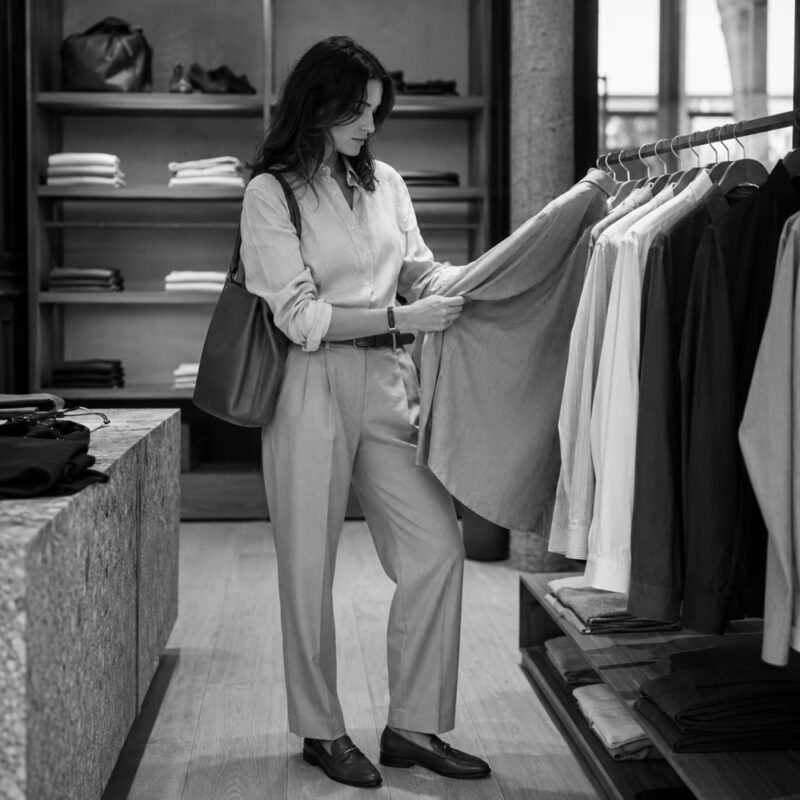
The material of a shirt can completely change the way an outfit looks and feels, even when the colour and cut remain exactly the same. Shirt fabrics influence texture, movement, breathability and structure, giving everyday clothing a level of detail that can be easy to overlook. As modern wardrobes become more focused on versatile pieces that work across different settings, choosing the right fabric has become just as important as finding the right silhouette.
Texture Can Change a Simple Shirt
A plain shirt does not have to look basic when the fabric has an interesting texture. Oxford cotton can introduce a subtle woven finish, while linen and cotton blends can create a softer, more relaxed appearance. Fine poplin offers a smoother and crisper surface, making it suitable for outfits that need a cleaner finish. These differences allow familiar shirt styles to develop their own character without relying on bold prints, strong colours or excessive detailing.
Original price was: $222.00.$111.00Current price is: $111.00.
Hoodies
Original price was: $222.00.$111.00Current price is: $111.00.
Original price was: $222.00.$111.00Current price is: $111.00.
Original price was: $222.00.$111.00Current price is: $111.00.
Shirt Fabrics Influence Comfort Throughout the Day
Comfort depends on more than simply choosing the correct size. The weight, weave and composition of a shirt can affect how it feels against the skin and how easily it moves with the body. Lightweight cotton can feel comfortable during warmer conditions, while softer and slightly heavier materials can provide a more substantial feel. A fabric that allows natural movement can also make a shirt easier to wear for long periods without constantly adjusting the garment.
Seasonal Dressing Starts With Material Choices
Different seasons naturally call for different approaches to fabric. Breathable materials can make warm-weather dressing feel lighter, particularly when combined with relaxed fits and understated colours. During cooler months, heavier cotton and textured weaves can add warmth and visual depth while still working comfortably beneath jackets or knitwear. Building a wardrobe around these differences makes it easier to adapt familiar shirt styles throughout the year rather than replacing them whenever the weather changes.
Original price was: $222.00.$111.00Current price is: $111.00.
Hoodies
Original price was: $222.00.$111.00Current price is: $111.00.
Original price was: $222.00.$111.00Current price is: $111.00.
Original price was: $222.00.$111.00Current price is: $111.00.
Fabric Choices Can Create a More Polished Appearance
The structure of a material can influence whether a shirt feels casual, refined or somewhere between the two. A crisp fabric can hold a sharper shape around the collar and shoulders, creating a polished appearance with tailored trousers. Softer materials can drape more naturally and work particularly well with denim, chinos or relaxed trousers. This flexibility gives a well-chosen shirt the ability to move between occasions without looking as though it belongs exclusively to one type of outfit.
Quality Becomes Noticeable Through Regular Wear
A shirt can reveal the quality of its material gradually rather than immediately. Better fabric can retain its shape, maintain its texture and remain comfortable after repeated use, while poorly chosen materials may lose their appeal quickly. This makes fabric worth considering from a long-term perspective rather than judging a garment entirely by how it appears on the first wear. A dependable shirt should continue to feel like a useful wardrobe piece after washing, dressing and wearing it repeatedly.
Original price was: $222.00.$111.00Current price is: $111.00.
Hoodies
Original price was: $222.00.$111.00Current price is: $111.00.
Original price was: $222.00.$111.00Current price is: $111.00.
Original price was: $222.00.$111.00Current price is: $111.00.
Shirt Fabrics Help Build a More Versatile Wardrobe
Versatility often comes from selecting garments that can respond to different styling choices. A neutral shirt in a considered fabric might work with tailored trousers during the day, then feel equally appropriate with jeans and loafers later. The material helps bridge those different looks by providing enough structure to appear polished while retaining enough ease for casual combinations. This is particularly useful for wardrobes built around fewer, better-chosen pieces.
Personal Style Can Begin With Fabric
Personal style does not always need to come from distinctive prints or unusual designs. Sometimes it appears through quieter choices such as a preference for crisp cotton, natural texture or softer drape. Shirt fabrics allow those preferences to become part of an outfit without making the clothing feel overly styled. The result can be a wardrobe that feels individual while remaining practical, understated and easy to wear.
Original price was: $222.00.$111.00Current price is: $111.00.
Hoodies
Original price was: $222.00.$111.00Current price is: $111.00.
Original price was: $222.00.$111.00Current price is: $111.00.
Original price was: $222.00.$111.00Current price is: $111.00.
Choosing the Right Material for Everyday Wear
The most useful shirts are often the ones that fit naturally into everyday routines rather than being reserved for particular occasions. Considering how a fabric feels, how it handles the seasons and how it works with existing clothing can make shopping more deliberate. Shirt fabrics ultimately give a familiar wardrobe staple much of its personality, making material choice an increasingly important part of creating clothing that feels comfortable, versatile and genuinely worth wearing.
