

-
×
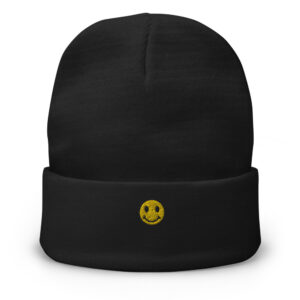 Have a Nice Day Beanie
1 × $111.00
Have a Nice Day Beanie
1 × $111.00
30
Aug
Aug
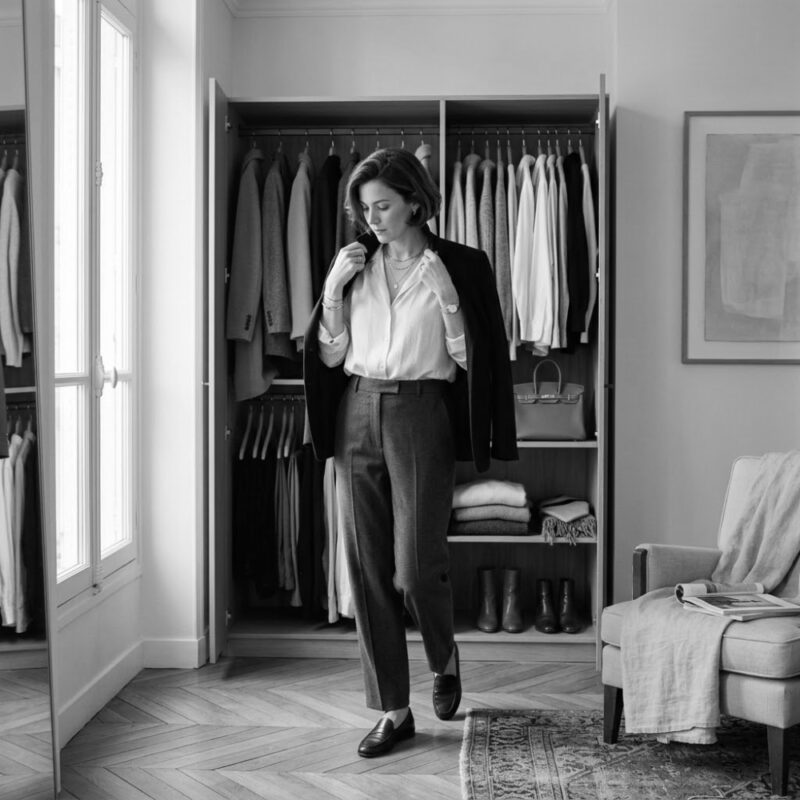
Personal Style Changes When Life Takes A Different Shape
Personal style changes when your routine changes because the clothes you reach for need to make sense within your everyday life. A busy office schedule, a new working arrangement, more social occasions or a quieter week can all shift what feels comfortable. Your wardrobe may remain familiar, but the way you use it can become completely different.
Original price was: $222.00.$111.00Current price is: $111.00.
Hoodies
Original price was: $222.00.$111.00Current price is: $111.00.
Original price was: $222.00.$111.00Current price is: $111.00.
Original price was: $222.00.$111.00Current price is: $111.00.
When Your Everyday Clothes Need To Work Harder
A wardrobe built around one routine can feel surprisingly awkward when that routine disappears. Formal trousers may seem excessive when most days involve errands and casual meetings. Delicate shoes might stay untouched when walking becomes part of the daily schedule. Rather than treating these changes as a reason to replace everything, it helps to notice which clothes still fit naturally into your current life.
Personal Style Changes Through Small Outfit Decisions
Personal style changes do not always arrive through dramatic purchases or a sudden change in taste. They can develop through small decisions made each morning. A favourite shirt might work better with relaxed trousers than tailored ones. A structured jacket can give jeans a sharper finish. Even changing the shoes or accessories can make an established outfit feel suited to a different routine.
Original price was: $222.00.$111.00Current price is: $111.00.
Hoodies
Original price was: $222.00.$111.00Current price is: $111.00.
Original price was: $222.00.$111.00Current price is: $111.00.
Original price was: $222.00.$111.00Current price is: $111.00.
Dressing For The Reality Of Your Week
The most useful wardrobe reflects what you actually do rather than what you imagine you might do. If your week now includes more walking, comfortable footwear becomes more valuable. If you spend more time meeting friends after work, versatile pieces can move easily between settings. Clothes become easier to wear when they support the rhythm of your week instead of working against it.
Personal Style Changes When Priorities Shift
Personal style changes as priorities change. Comfort might become more important after years of wearing restrictive clothing. Quality may matter more when you buy less often. You might also become more interested in colour, tailoring or interesting fabrics after spending too long in predictable basics. These shifts do not mean your previous style was wrong. They simply show that your preferences have developed.
Original price was: $222.00.$111.00Current price is: $111.00.
Hoodies
Original price was: $222.00.$111.00Current price is: $111.00.
Original price was: $222.00.$111.00Current price is: $111.00.
Original price was: $222.00.$111.00Current price is: $111.00.
Giving Familiar Pieces A Different Role
Some of the best wardrobe discoveries can happen without buying anything. A jacket reserved for formal occasions might become an everyday layer over a simple T-shirt. A smart blouse could work with denim instead of a traditional office outfit. Trousers that once felt too polished for weekends can look completely different with trainers and a relaxed knit. Changing the combination can change the character of the clothes.
Letting Your Wardrobe Keep Up With You
There is also value in accepting that some pieces no longer belong in your regular rotation. Clothes can represent an older routine, workplace or social life long after those circumstances have changed. Keeping everything can make getting dressed feel harder than it needs to be. A smaller selection of useful pieces can give your current wardrobe more clarity and make favourite clothes easier to notice.
Original price was: $222.00.$111.00Current price is: $111.00.
Hoodies
Original price was: $222.00.$111.00Current price is: $111.00.
Original price was: $222.00.$111.00Current price is: $111.00.
Original price was: $222.00.$111.00Current price is: $111.00.
Wearing Clothes That Feel Current
A wardrobe does not need to follow every new trend to feel current. It simply needs to feel connected to the person wearing it now. When clothes suit your schedule, priorities and sense of comfort, getting dressed becomes more instinctive. That can be the most satisfying kind of style change because it grows naturally from everyday life rather than forcing you into something that does not feel like you.
