

-
×
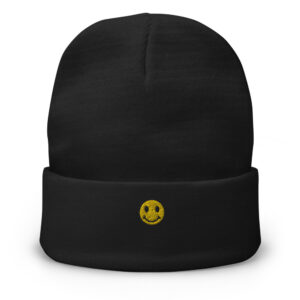 Have a Nice Day Beanie
1 × $111.00
Have a Nice Day Beanie
1 × $111.00
26
Jan
Jan
When Style Starts to Feel Repetitive
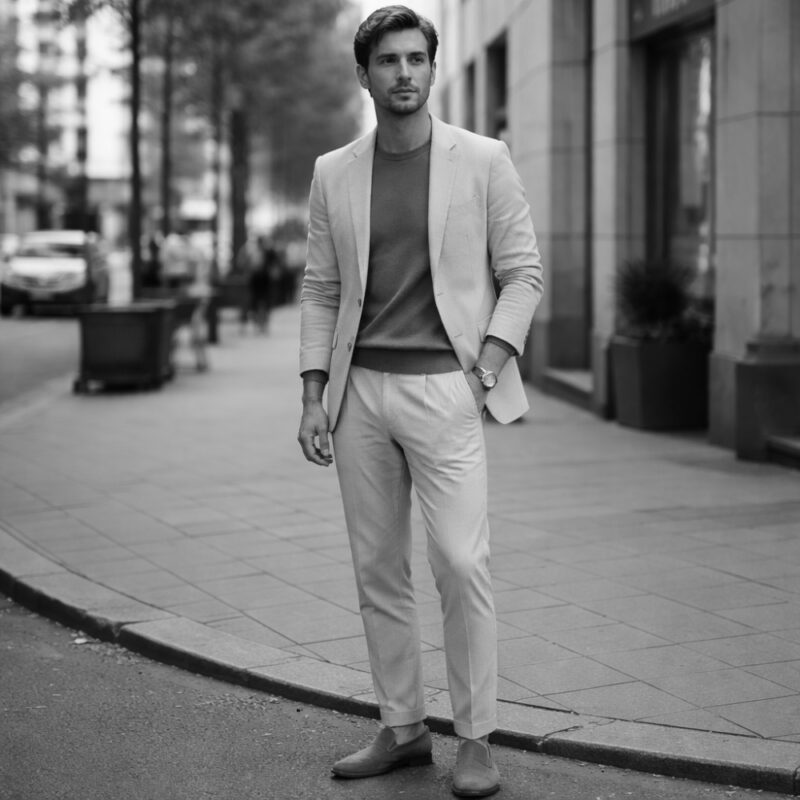
Modern fashion trends no longer feel like discoveries, and that change is shaping how people relate to their clothes. Instead of excitement, many experience a sense of déjà vu when scrolling through new collections or social feeds. The same silhouettes, colors, and ideas appear again and again, just slightly renamed. This repetition has made trend chasing feel less rewarding, pushing people to question whether staying current actually adds anything to their lives.
The Burnout Behind Constant Newness
Trend fatigue didn’t appear overnight. Years of rapid releases trained shoppers to expect novelty at an unsustainable pace, both financially and emotionally. Clothing stopped feeling considered and started feeling temporary, which quietly drained the joy out of getting dressed. When everything is framed as replaceable, nothing feels special for long, and that erosion has had a lasting impact on how fashion is perceived.
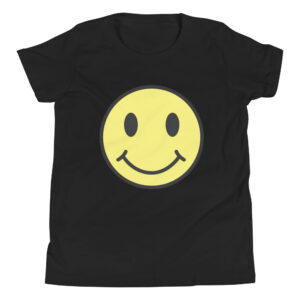
Original price was: $222.00.$111.00Current price is: $111.00.
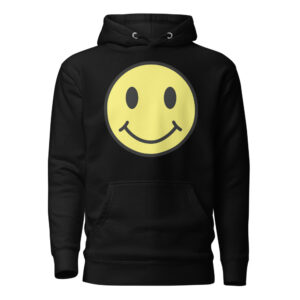
Hoodies
Original price was: $222.00.$111.00Current price is: $111.00.
Original price was: $222.00.$111.00Current price is: $111.00.
Original price was: $222.00.$111.00Current price is: $111.00.
Why Modern Fashion Trends Are Losing Their Grip
Modern fashion trends are losing influence because they often fail the reality test. Pieces designed to grab attention don’t always work outside controlled visuals, and consumers are more aware of that gap than ever before. People now think about how clothes perform across full days, different settings, and repeated wear. If something doesn’t earn its place quickly, it’s unlikely to survive the next wardrobe clean-out.
Dressing for Actual Daily Life
Life has become more fluid, and clothing has had to follow. Work, social time, errands, and rest often blend together, making single-purpose outfits feel impractical. This shift has encouraged softer tailoring, adaptable layers, and materials that move comfortably without sacrificing appearance. Clothes are expected to keep up rather than slow people down.
Original price was: $222.00.$111.00Current price is: $111.00.
Hoodies
Original price was: $222.00.$111.00Current price is: $111.00.
Original price was: $222.00.$111.00Current price is: $111.00.
Original price was: $222.00.$111.00Current price is: $111.00.
How Modern Fashion Trends Reflect a Preference Shift
Modern fashion trends increasingly reflect values rather than aesthetics alone. Longevity, versatility, and comfort are now markers of good style, not compromises. Shoppers are paying closer attention to how often they reach for an item, not how impressive it looks on day one. Over time, this has quietly redefined what “fashionable” means in everyday contexts.
Personal Style Over Collective Approval
As trend pressure eases, personal style has more room to breathe. People are dressing for themselves again, guided by familiarity and confidence instead of external validation. Wearing something repeatedly is no longer seen as a failure to keep up, but as proof that the piece works. This mindset naturally reduces impulse buying and encourages more thoughtful choices.
Original price was: $222.00.$111.00Current price is: $111.00.
Hoodies
Original price was: $222.00.$111.00Current price is: $111.00.
Original price was: $222.00.$111.00Current price is: $111.00.
Original price was: $222.00.$111.00Current price is: $111.00.
The Role of Social Media Fatigue
While social platforms once amplified trends, they now expose their predictability. Seeing identical outfits repeated across accounts has made originality feel scarce and authenticity more appealing. Many users have grown tired of algorithm-driven sameness, leading them to trust their own instincts instead of chasing visual approval.
Where Modern Fashion Trends Are Actually Heading
Modern fashion trends are settling into a slower, more grounded rhythm. Instead of dramatic seasonal resets, change is happening through refinement and small evolution. This direction supports wardrobes that grow gradually rather than constantly reset, allowing style to feel personal, stable, and intentional.
Original price was: $222.00.$111.00Current price is: $111.00.
Hoodies
Original price was: $222.00.$111.00Current price is: $111.00.
Original price was: $222.00.$111.00Current price is: $111.00.
Original price was: $222.00.$111.00Current price is: $111.00.
A Quieter Relationship With Clothing
The move away from aggressive trend cycles isn’t about rejecting fashion, but about restoring balance. Clothes are becoming tools for expression and ease rather than symbols of urgency. When fashion supports real life instead of competing with it, getting dressed becomes simpler, calmer, and far more satisfying.
