

-
×
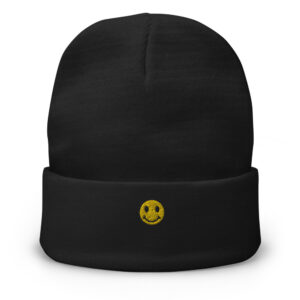 Have a Nice Day Beanie
1 × $111.00
Have a Nice Day Beanie
1 × $111.00

14
Aug
Aug
Better Clothing Fabrics Bring More Character to Everyday Dressing
The materials used to make clothing can have a surprisingly strong influence on how an outfit looks and feels. Better clothing fabrics can add texture, structure and depth without requiring complicated styling, making ordinary pieces feel considerably more considered. A simple shirt in a substantial cotton weave, for example, can look more refined than a similar design made from a thin, lifeless material. As everyday wardrobes become more focused on versatility, fabric is increasingly becoming one of the details worth paying attention to.
Understanding How Fabric Changes an Outfit
Fabric affects much more than comfort. It influences how a garment hangs from the body, how it responds to movement and how its surface catches natural or artificial light. Linen can introduce an airy, relaxed quality, while heavier cotton can provide a cleaner silhouette and more visual weight. Wool, brushed textures and textured knits can create an entirely different impression again. These differences allow clothing to communicate personality without relying on bold patterns, oversized logos or excessive accessories.
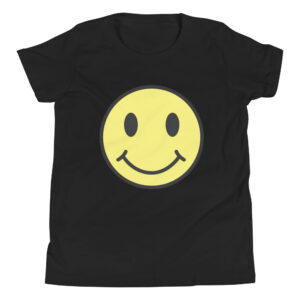
Original price was: $222.00.$111.00Current price is: $111.00.
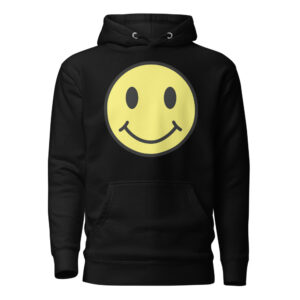
Hoodies
Original price was: $222.00.$111.00Current price is: $111.00.
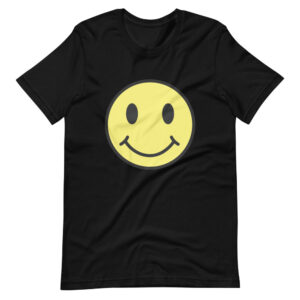
Original price was: $222.00.$111.00Current price is: $111.00.
Original price was: $222.00.$111.00Current price is: $111.00.
Choosing Quality Materials for Everyday Pieces
Not every garment needs to be made from an expensive or luxurious material to look good. The more useful approach is to consider whether the fabric suits the purpose of the clothing. A casual overshirt may benefit from a sturdy cotton construction, while a lightweight summer shirt can work better with breathable fibres and a softer drape. Paying attention to weight, texture and construction can make shopping more deliberate because the decision becomes about how a garment will actually perform rather than simply how it appears on a product page.
Better Clothing Fabrics Make Simple Outfits More Interesting
Minimal outfits often reveal the importance of fabric because there are fewer visual elements competing for attention. A plain shirt, straight-leg trousers and simple shoes can look distinctly different depending on the materials involved. Subtle ribbing, a slightly irregular weave or a softly brushed surface can provide enough variation to keep a restrained outfit from feeling flat. This is particularly useful for people who prefer understated clothing but still want their wardrobe to have a sense of individuality.
Original price was: $222.00.$111.00Current price is: $111.00.
Hoodies
Original price was: $222.00.$111.00Current price is: $111.00.
Original price was: $222.00.$111.00Current price is: $111.00.
Original price was: $222.00.$111.00Current price is: $111.00.
Looking Beyond Trends When Buying Clothes
Trends can influence colour, silhouette and styling, but fabric quality tends to remain relevant for much longer. A well-made garment in a versatile material can continue working across different seasons and changing preferences. This makes fabric an important consideration when building a wardrobe intended to last beyond a single fashion cycle. Instead of asking whether something looks current, shoppers can also consider whether they like the way the material feels, moves and fits into the rest of their existing clothes.
Better Clothing Fabrics Support More Versatile Wardrobes
Versatility is often associated with neutral colours and simple designs, but material plays an equally important role. A shirt with enough structure can work with tailored trousers for a polished setting and with denim for something more relaxed. A textured knit can add interest beneath a coat while remaining useful on its own. Better clothing fabrics therefore expand the possibilities of individual pieces, allowing familiar garments to move between different situations without appearing repetitive.
Original price was: $222.00.$111.00Current price is: $111.00.
Hoodies
Original price was: $222.00.$111.00Current price is: $111.00.
Original price was: $222.00.$111.00Current price is: $111.00.
Original price was: $222.00.$111.00Current price is: $111.00.
A More Considered Approach to Everyday Style
The growing appreciation for fabric reflects a broader shift towards clothing that feels personal rather than disposable. Instead of constantly searching for something new, there is value in understanding why certain garments become favourites and others remain unworn. Texture, weight, softness and structure can all contribute to that decision. When those details are considered alongside colour and cut, everyday dressing becomes less about following a formula and more about developing a wardrobe that genuinely feels right.
