

-
×
 Have a Nice Day Kids T-Shirt
1 × $111.00
Have a Nice Day Kids T-Shirt
1 × $111.00
16
Apr
Apr
What Your Outfit Says Without Saying Anything
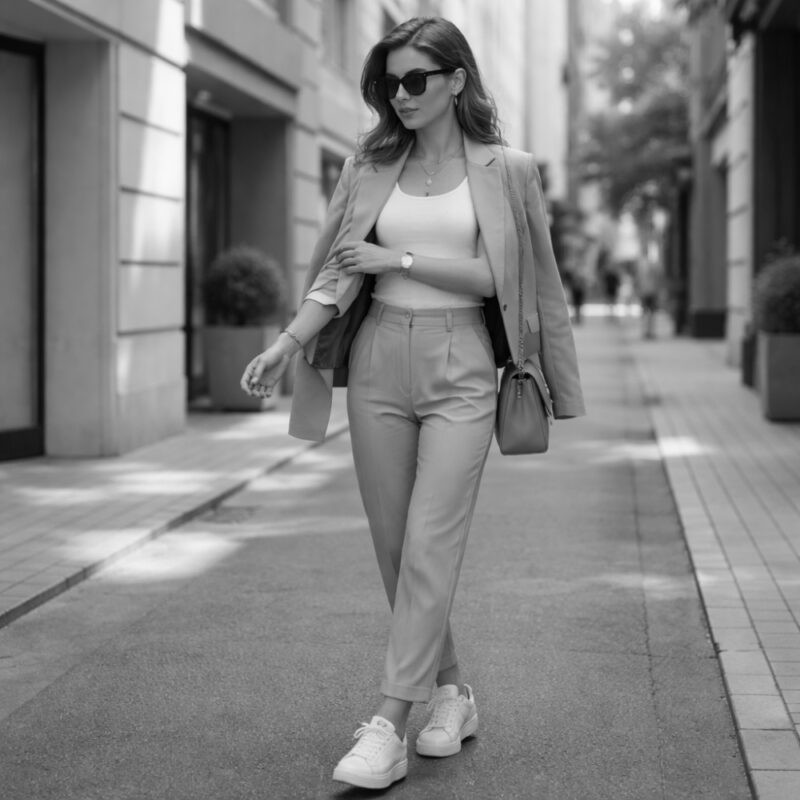
What your outfit says often registers before a single word is spoken, shaping how others interpret your confidence, attention to detail, and sense of awareness. Clothing works as a visual shortcut, allowing people to form quick assumptions based on fit, colour, condition, and coordination. Even small decisions, like whether a shirt is pressed or how shoes are styled, contribute to an overall impression that feels immediate and instinctive. These signals are not always accurate, but they are consistent, and understanding them gives you more control over how you are perceived in everyday situations.
How Clothing Is Read In Everyday Situations
In daily life, what your outfit says can shift depending on context, even when the clothing itself stays similar. The same outfit can feel relaxed in one setting and careless in another, depending on expectations. Well-fitted basics often suggest reliability and awareness, while overly mismatched or neglected pieces can unintentionally signal disinterest. People tend to read effort through subtle cues, not bold statements, which is why small adjustments like sleeve length, fabric choice, or colour balance can change how an outfit is received without needing a complete overhaul.
Original price was: $222.00.$111.00Current price is: $111.00.
Hoodies
Original price was: $222.00.$111.00Current price is: $111.00.
Original price was: $222.00.$111.00Current price is: $111.00.
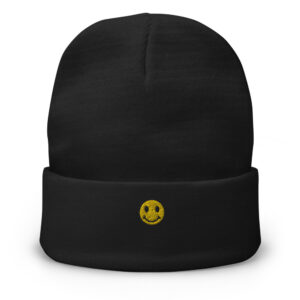
Beanies
Original price was: $222.00.$111.00Current price is: $111.00.
The Details People Actually Notice First
Most attention goes to specific areas rather than the outfit as a whole. Shoes, grooming, and the condition of fabrics are often noticed before anything else, acting as quick indicators of personal standards. Clean lines, balanced proportions, and consistency across pieces create a sense of intention that people pick up on instantly. Loud or standout items are remembered, but it is usually the overall cohesion that determines whether an outfit feels put together or distracting. These details work quietly, but they have a strong influence on how everything else is interpreted.
What Your Outfit Says About Personal Awareness
What your outfit says is often tied to how well it aligns with the environment and situation. Dressing with awareness does not mean following strict rules, but it does mean understanding the tone of where you are and adjusting accordingly. Outfits that feel in sync with their setting tend to come across as confident and considered, while those that ignore context can feel disconnected. This awareness is subtle, but it separates clothing that feels natural from clothing that feels forced or out of place.
Original price was: $222.00.$111.00Current price is: $111.00.
Hoodies
Original price was: $222.00.$111.00Current price is: $111.00.
Original price was: $222.00.$111.00Current price is: $111.00.
Beanies
Original price was: $222.00.$111.00Current price is: $111.00.
How Perception Changes With Small Adjustments
Minor changes can significantly shift how an outfit is perceived without altering your style. Tucking in a shirt, refining the fit of trousers, or switching footwear can move an outfit from casual to intentional. These adjustments do not require a new wardrobe, just a clearer understanding of how presentation works. The goal is not to control every detail, but to recognise which elements have the most impact and use them to your advantage when it matters.
Why Clothing Still Shapes First Impressions
Despite changes in trends and attitudes, clothing continues to play a central role in first impressions because it is immediate and visible. People rely on visual information to make quick decisions, and outfits provide one of the strongest cues available. This does not mean appearance defines everything, but it does influence the starting point of most interactions. Being aware of this allows you to approach clothing with intention, using it as a tool rather than leaving it to chance.
Original price was: $222.00.$111.00Current price is: $111.00.
Hoodies
Original price was: $222.00.$111.00Current price is: $111.00.
Original price was: $222.00.$111.00Current price is: $111.00.
Beanies
Original price was: $222.00.$111.00Current price is: $111.00.
What Your Outfit Says When It Feels Intentional
The way you dress does not need to be complicated or overly styled to be effective, but it should feel considered. When you understand what your outfit says in different situations, you gain the ability to shape perception without overthinking every choice. This creates a sense of consistency in how you present yourself, allowing your clothing to support your presence naturally rather than compete with it.
