

-
×
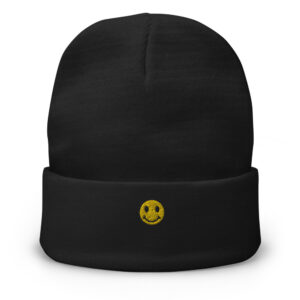 Have a Nice Day Beanie
1 × $111.00
Have a Nice Day Beanie
1 × $111.00

20
Jun
Jun
Stylish Shopping Habits Are Changing Modern Wardrobes
Modern wardrobes are shifting away from impulse-driven buying toward more intentional decisions that prioritise long-term wear over short-lived appeal. People are increasingly evaluating how often they actually use their clothing rather than how exciting it feels at the moment of purchase. This shift is reshaping how wardrobes are built, with more focus on practicality and repeat use. Stylish shopping habits are becoming a defining feature of this change, encouraging more thoughtful consumption and reducing unnecessary accumulation of clothing.
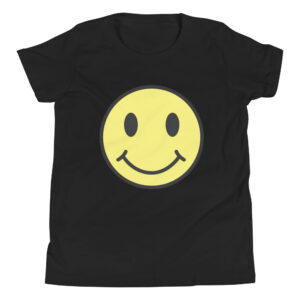
Original price was: $222.00.$111.00Current price is: $111.00.
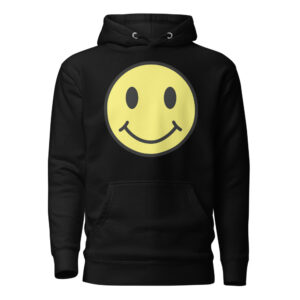
Hoodies
Original price was: $222.00.$111.00Current price is: $111.00.
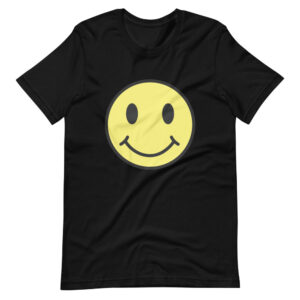
Original price was: $222.00.$111.00Current price is: $111.00.
Original price was: $222.00.$111.00Current price is: $111.00.
Why Fast Fashion Is Losing Its Appeal
Fast fashion is losing appeal because many shoppers now recognise that trend-led pieces rarely offer long-term value. While these items can feel appealing in the moment, they often lack the flexibility needed to stay relevant beyond a short seasonal cycle. As wardrobes become more curated, people are becoming aware that constant buying does not necessarily improve style, but instead creates fragmentation and excess.
Stylish Shopping Habits Focus On Versatile Foundations
At the centre of stylish shopping habits is a focus on versatile wardrobe foundations that can be worn repeatedly across different settings. Rather than relying on statement pieces that dominate a look, shoppers are choosing items that integrate easily with others. Neutral knitwear, structured trousers, simple shirts, and well-made outerwear form the core of this approach because they allow multiple outfit combinations without effort.
Original price was: $222.00.$111.00Current price is: $111.00.
Hoodies
Original price was: $222.00.$111.00Current price is: $111.00.
Original price was: $222.00.$111.00Current price is: $111.00.
Original price was: $222.00.$111.00Current price is: $111.00.
Building Wardrobes With Long Term Functionality
Wardrobes are increasingly being built with function in mind rather than volume. Each item is expected to work with multiple other pieces, reducing the need for excessive variety. This creates a more efficient system where getting dressed becomes simpler because fewer decisions need to be made each morning. Clothing is selected not as isolated purchases but as part of a connected wardrobe structure.
Stylish Shopping Habits Encourage Smarter Spending
Stylish shopping habits also influence spending behaviour by shifting attention from low upfront cost to long-term value. Instead of choosing items based solely on price, people are considering durability, frequency of wear, and overall usefulness. This leads to more selective purchasing and reduces the number of items that end up unworn. Over time, this approach creates wardrobes that feel more intentional and less cluttered.
Original price was: $222.00.$111.00Current price is: $111.00.
Hoodies
Original price was: $222.00.$111.00Current price is: $111.00.
Original price was: $222.00.$111.00Current price is: $111.00.
Original price was: $222.00.$111.00Current price is: $111.00.
The Rise Of Repeat Wear And Outfit Flexibility
Repeat wear is becoming a normal and accepted part of modern dressing. Instead of constantly seeking new outfits, people are reworking existing clothing through layering, accessories, and different styling combinations. A single item can serve multiple purposes depending on how it is styled, which reduces the pressure to constantly purchase new pieces while expanding outfit possibilities.
Stylish Shopping Habits And Personal Style Development
Over time, stylish shopping habits contribute to a more defined and personal sense of style. As wardrobes become more curated, individuals begin to rely less on external trends and more on what consistently works for them. This results in clothing choices that feel more natural and aligned with everyday life rather than seasonal influence or marketing cycles.
Original price was: $222.00.$111.00Current price is: $111.00.
Hoodies
Original price was: $222.00.$111.00Current price is: $111.00.
Original price was: $222.00.$111.00Current price is: $111.00.
Original price was: $222.00.$111.00Current price is: $111.00.
A Move Toward Simplicity And Longevity
The overall direction of this shift is toward simplicity and longevity rather than excess and constant change. People are not abandoning fashion but refining their relationship with it, focusing on clothing that remains useful over time. This creates wardrobes that are easier to manage, more consistent in appearance, and more closely aligned with real lifestyle needs.
