

-
×
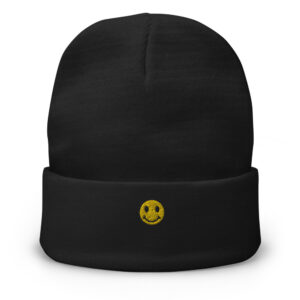 Have a Nice Day Beanie
1 × $111.00
Have a Nice Day Beanie
1 × $111.00 -
×
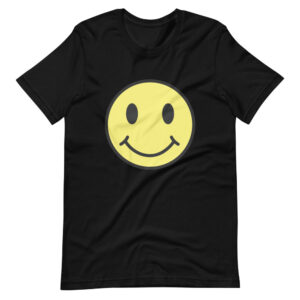 Have a Nice Day T-Shirt
1 × $111.00
Have a Nice Day T-Shirt
1 × $111.00

20
Jan
Jan
The Unspoken Meaning Behind Getting Dressed
When people talk about clothes feeling right, they’re rarely describing something visual. The reaction usually happens before they’ve even looked in a mirror. It’s a physical and emotional response to how clothing sits on the body, how it moves, and how it supports the day ahead. This feeling isn’t dramatic or performative. It’s quiet, instinctive, and deeply personal, which is why it’s often hard to explain to someone else.
Why an Outfit Feels Right During Real Life
An outfit feels right when it works with the reality of a day rather than against it. Clothing that accommodates walking, sitting, commuting, and changing temperatures removes friction from everyday moments. Instead of adjusting hems, tugging sleeves, or second-guessing choices, the wearer moves through the day uninterrupted. This ease is often what people are responding to when they describe a look as feeling right, even if they don’t consciously realize it.
Original price was: $222.00.$111.00Current price is: $111.00.

Hoodies
Original price was: $222.00.$111.00Current price is: $111.00.
Original price was: $222.00.$111.00Current price is: $111.00.
Beanies
Original price was: $222.00.$111.00Current price is: $111.00.
Comfort Is Important but It Isn’t the Whole Story
Comfort alone doesn’t guarantee confidence. An outfit can be soft and forgiving yet still feel off if it doesn’t align with mood, setting, or personal identity. The right clothing balances physical ease with intention. It feels appropriate without feeling forced. Fit, weight, and proportion quietly influence this balance, helping clothes feel supportive rather than distracting.
How Personal Habits Influence When Clothes Feel Right
Daily routines shape clothing choices more than trends ever could. Someone who spends hours moving between locations will naturally gravitate toward different pieces than someone working primarily in one place. Over time, the body learns what works within those habits. Clothing that aligns with these patterns begins to feel natural, while anything that interrupts them quickly feels wrong, regardless of how good it looks.
Original price was: $222.00.$111.00Current price is: $111.00.
Hoodies
Original price was: $222.00.$111.00Current price is: $111.00.
Original price was: $222.00.$111.00Current price is: $111.00.
Beanies
Original price was: $222.00.$111.00Current price is: $111.00.
Familiarity Builds Trust in What You Wear
Most people rely on variations of familiar outfits without realizing it. Certain silhouettes, fabrics, and color palettes reappear because they’ve proven dependable. This repetition isn’t about playing it safe. It’s about trust. Familiar clothing reduces mental load, allowing people to get dressed quickly and confidently. That reliability often creates the sense that something feels right before the day has even started.
When an Outfit Feels Right It Reflects Identity
An outfit feels right when it reflects who someone is rather than who they’re trying to be. Clothes that align with identity feel grounding instead of performative. They don’t require validation or explanation. This is why copying someone else’s look rarely delivers the same satisfaction. Without shared context, body awareness, and lifestyle, the result often feels disconnected.
Original price was: $222.00.$111.00Current price is: $111.00.
Hoodies
Original price was: $222.00.$111.00Current price is: $111.00.
Original price was: $222.00.$111.00Current price is: $111.00.
Beanies
Original price was: $222.00.$111.00Current price is: $111.00.
Why an Outfit Feels Right Without Drawing Attention
An outfit feels right when it fades into the background and lets the wearer focus outward instead of inward. The best clothing choices don’t demand constant awareness. They allow people to move, think, and interact without distraction. In those moments, style stops being about presentation and becomes a quiet form of support that carries someone through the day without interruption.
