


Mar
Where Good Intentions Start to Go Wrong
Most people don’t realise how often their shopping habits are driven by impulse rather than intention, and mistakes people make buying clothes usually begin with a simple idea of wanting something new. That initial motivation isn’t the issue, but without a clear understanding of what actually works, choices become reactive. Over time, this leads to a wardrobe filled with pieces that don’t quite connect, creating frustration instead of confidence.
Mistakes People Make Buying Clothes When Ignoring Fit
One of the most consistent problems is overlooking how something fits in favour of how it looks at first glance. People rely too heavily on size labels or how an item appears on a hanger, rather than how it sits on their body. A poor fit can quietly ruin an otherwise good outfit, making it feel uncomfortable or awkward throughout the day. Taking the time to assess movement, proportion, and overall feel is what separates something that looks good from something that actually works.
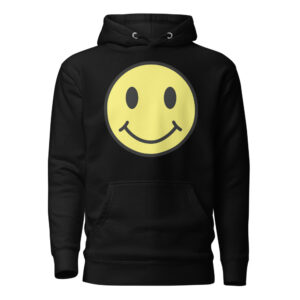
Hoodies
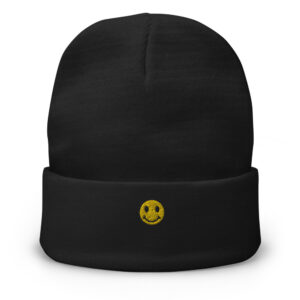
Beanies
Mistakes People Make Buying Clothes Because of Trends
Trends can be appealing, but they often lead people into short-term decisions that don’t hold up over time. When something is bought purely because it is popular, it tends to lose its appeal quickly if it doesn’t align with personal style. This creates a wardrobe that feels inconsistent, with pieces that don’t naturally work together. Focusing on what genuinely suits your preferences leads to more reliable choices and reduces the need to constantly replace items.
Buying Without a Clear Purpose
Clothing often gets purchased without a clear idea of when or where it will be worn, which is where many problems begin. Something might look great in isolation, but if it doesn’t fit into your daily life, it ends up unused. A functional wardrobe is built around real situations, not hypothetical ones. Thinking about how each piece will be worn makes it easier to create a collection that feels practical and complete.
Hoodies
Beanies
Letting Price Drive the Decision
Price influences behaviour more than people realise, and it can lead to poor decisions at both ends of the scale. Buying something just because it is cheap often results in low satisfaction, while assuming higher cost guarantees quality can be equally misleading. The key is understanding value in terms of wearability, comfort, and longevity rather than reacting to the number on the tag.
Mistakes People Make Buying Clothes When Overlooking Fabric
Fabric plays a major role in how clothing feels and performs, yet it is often ignored during the buying process. Materials affect comfort, durability, and how an item holds its shape over time. Choosing the wrong fabric can make even a well-fitting piece feel impractical. Paying attention to texture, weight, and breathability helps ensure that what you buy continues to feel right beyond the first wear.
Hoodies
Beanies
Rushing Decisions Without Thinking Long Term
Quick decisions are one of the easiest ways to build a wardrobe that doesn’t work. When purchases are rushed, there is little consideration for how the item fits into existing outfits or whether it will still feel relevant later. Slowing down the process allows for better judgement and reduces the likelihood of regret. Over time, this shift creates a wardrobe that feels more intentional, consistent, and easier to rely on.
