

-
×
 Have a Nice Day Kids T-Shirt
1 × $111.00
Have a Nice Day Kids T-Shirt
1 × $111.00
20
Sep
Sep
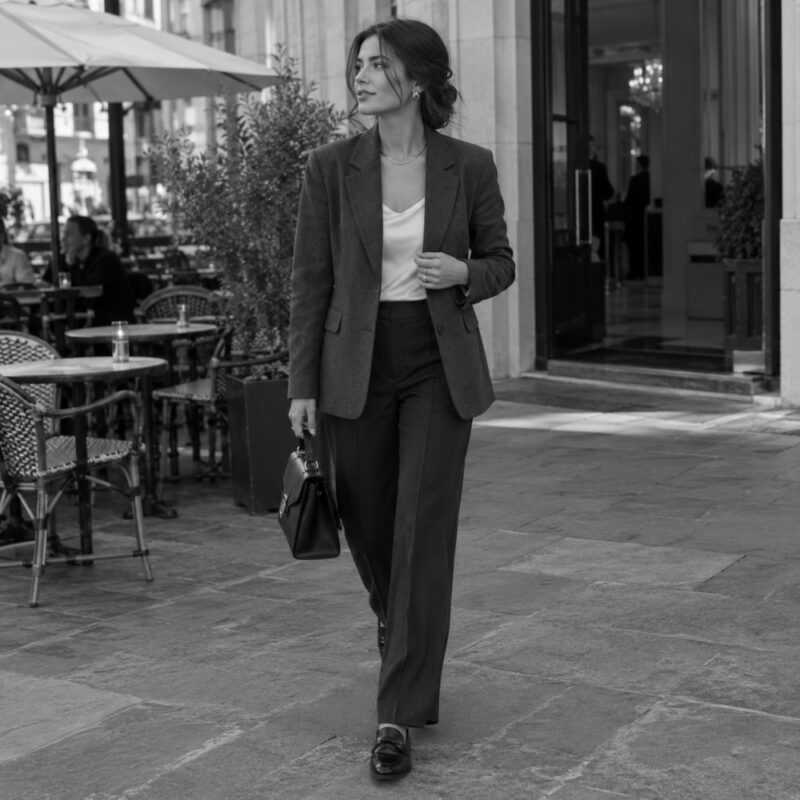
Dressing For The Occasion Starts With The Setting
The setting often gives the clearest indication of what an outfit needs to do. A casual lunch, a gallery opening, a family celebration and a work event can all require different levels of polish, even when they take place during the same part of the day. Dressing for the occasion becomes easier when the location, atmosphere and expected activities are considered together. Instead of reaching immediately for something formal or casual, think about what the surroundings suggest and how much movement the day will involve. This creates a useful starting point without turning clothing into a set of rigid rules.
Original price was: $222.00.$111.00Current price is: $111.00.
Hoodies
Original price was: $222.00.$111.00Current price is: $111.00.
Original price was: $222.00.$111.00Current price is: $111.00.
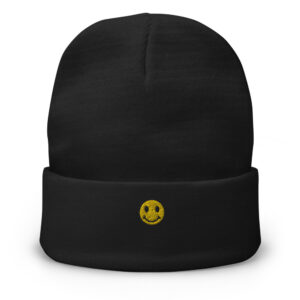
Beanies
Original price was: $222.00.$111.00Current price is: $111.00.
Think About What The Day Actually Involves
An outfit needs to work beyond the moment you first put it on. Walking between locations, sitting for several hours, travelling on public transport or moving between indoor and outdoor spaces can all influence what feels appropriate. A structured jacket may suit an event but become inconvenient if the day involves constant movement, while comfortable trousers and polished shoes can provide a practical middle ground. Considering these details before choosing individual pieces can prevent an outfit from looking suitable while feeling wrong once the plans begin.
Dressing For The Occasion Can Still Feel Personal
Following the tone of an event does not mean abandoning personal style. Familiar colours, preferred silhouettes and favourite accessories can remain part of an outfit while the overall combination changes to suit the setting. Someone who normally wears simple tailoring might soften it with a relaxed knit for an informal gathering, while a person who prefers casual clothing could introduce a structured jacket for a more polished event. The goal is not to become a different version of yourself, but to make familiar choices feel connected to where you are going.
Original price was: $222.00.$111.00Current price is: $111.00.
Hoodies
Original price was: $222.00.$111.00Current price is: $111.00.
Original price was: $222.00.$111.00Current price is: $111.00.
Beanies
Original price was: $222.00.$111.00Current price is: $111.00.
Use Familiar Pieces As A Starting Point
A dependable wardrobe can make occasion dressing considerably less complicated. Rather than searching for something completely new whenever plans arise, start with pieces that already fit well and have worked in different settings. A dark pair of trousers, a crisp shirt, a simple dress or a tailored jacket can provide a reliable foundation. From there, shoes, outer layers and accessories can shift the overall tone. This approach also makes it easier to recognise which clothes genuinely earn their place in the wardrobe.
Small Details Can Shift The Overall Tone
The difference between casual and polished can sometimes come down to a few considered details. Footwear, jewellery, a handbag, a belt or an outer layer can change the character of otherwise familiar clothing. Texture can have a similar effect, with leather, knitwear, brushed cotton and tailored fabrics each bringing a different quality to an outfit. These choices do not need to be dramatic. Often, the most natural result comes from one or two subtle changes rather than adding several noticeable statement pieces at once.
Original price was: $222.00.$111.00Current price is: $111.00.
Hoodies
Original price was: $222.00.$111.00Current price is: $111.00.
Original price was: $222.00.$111.00Current price is: $111.00.
Beanies
Original price was: $222.00.$111.00Current price is: $111.00.
Dressing For The Occasion Without Losing Ease
The best outfit choices often sit comfortably between following the setting and expressing individual taste. An outfit can acknowledge the formality of an event without becoming overly polished, just as casual clothing can still look deliberate and considered. When the setting, practical demands and personal preferences all have a place in the decision, getting dressed becomes more straightforward. The result is clothing that feels appropriate without appearing overly calculated, leaving enough freedom for the person wearing it to remain themselves.
