

-
×
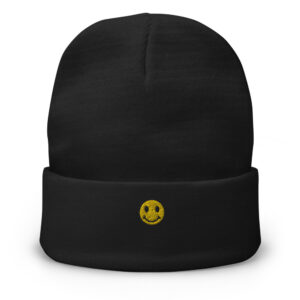 Have a Nice Day Beanie
1 × $111.00
Have a Nice Day Beanie
1 × $111.00
26
Sep
Sep
Considered Everyday Style That Feels Natural
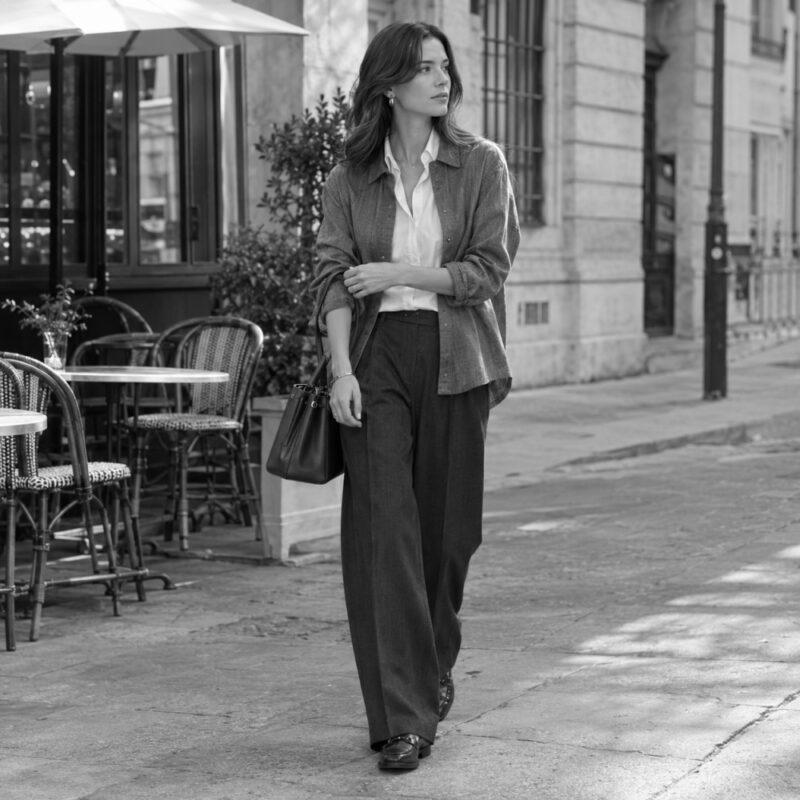
The clothes we wear most often can still feel fresh when each piece has a clear place in the outfit. Considered everyday style is less about creating a complicated look and more about noticing how familiar garments work together. A favourite pair of trousers, a well-cut shirt or a simple layer can become the starting point for an outfit that feels polished without looking overly planned.
Start With The Clothes You Reach For Most
The pieces that repeatedly leave the wardrobe deserve attention because they already fit naturally into daily life. Perhaps straight-leg trousers feel easy to wear, or a particular shirt works across several settings. These reliable garments can form the foundation of different combinations without making the wardrobe feel repetitive. Instead of constantly searching for something new, consider how existing pieces might work together in slightly different ways.
Original price was: $222.00.$111.00Current price is: $111.00.
Hoodies
Original price was: $222.00.$111.00Current price is: $111.00.
Original price was: $222.00.$111.00Current price is: $111.00.
Original price was: $222.00.$111.00Current price is: $111.00.
Small Details Can Change The Overall Impression
An outfit does not need more garments to become more interesting. A rolled sleeve, a different belt or a textured bag can alter the way simple clothing looks and feels. Jewellery can add another subtle point of difference, particularly when the rest of the outfit remains understated. These details work best when they connect naturally with the colours, shapes and textures already present.
Considered Everyday Style Begins With Proportion
The relationship between garments can shape an outfit more strongly than any single item. A fuller knit can work well with straighter trousers, while a shorter jacket can create balance with a longer skirt or wider-leg denim. These combinations give clothing a sense of structure while still allowing movement. When an outfit feels slightly unfinished, looking at the proportions can be more useful than immediately adding another accessory.
Original price was: $222.00.$111.00Current price is: $111.00.
Hoodies
Original price was: $222.00.$111.00Current price is: $111.00.
Original price was: $222.00.$111.00Current price is: $111.00.
Original price was: $222.00.$111.00Current price is: $111.00.
Let The Setting Guide Your Choices
Clothing can feel different depending on where you wear it. An outfit that works beautifully for a quiet afternoon may need a small adjustment before an evening appointment or dinner. A structured layer can add definition, while different footwear can shift the mood of the same trousers and top. Thinking about the setting helps familiar clothes feel more appropriate without making the process of getting dressed unnecessarily complicated.
Considered Everyday Style Leaves Room For Personal Preference
Clothing becomes more convincing when it reflects the person wearing it. Trends can introduce useful ideas, but they do not need to dictate every decision. Someone who prefers neutral colours can add interest through texture, while another person might enjoy bringing one stronger shade into an otherwise restrained outfit. The goal is not to create a universally correct way of dressing, but to understand which combinations feel authentic and practical.
Original price was: $222.00.$111.00Current price is: $111.00.
Hoodies
Original price was: $222.00.$111.00Current price is: $111.00.
Original price was: $222.00.$111.00Current price is: $111.00.
Original price was: $222.00.$111.00Current price is: $111.00.
Keep The Process Simple
There is no need to turn getting dressed into a complicated exercise. A few thoughtful decisions can be enough to make an ordinary outfit feel more complete. Start with what the day requires, choose clothes that suit those plans and then look for one small detail that gives the combination personality. When those choices become familiar, dressing can feel intuitive rather than demanding. The strongest outfits often come from knowing what works and giving those pieces enough room to speak for themselves.
