

-
×
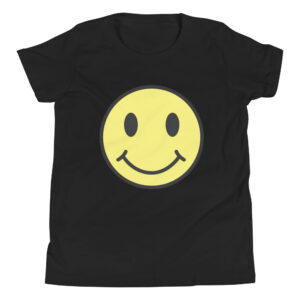 Have a Nice Day Kids T-Shirt
1 × $111.00
Have a Nice Day Kids T-Shirt
1 × $111.00
16
Sep
Sep
Changing Lifestyles And Everyday Dressing
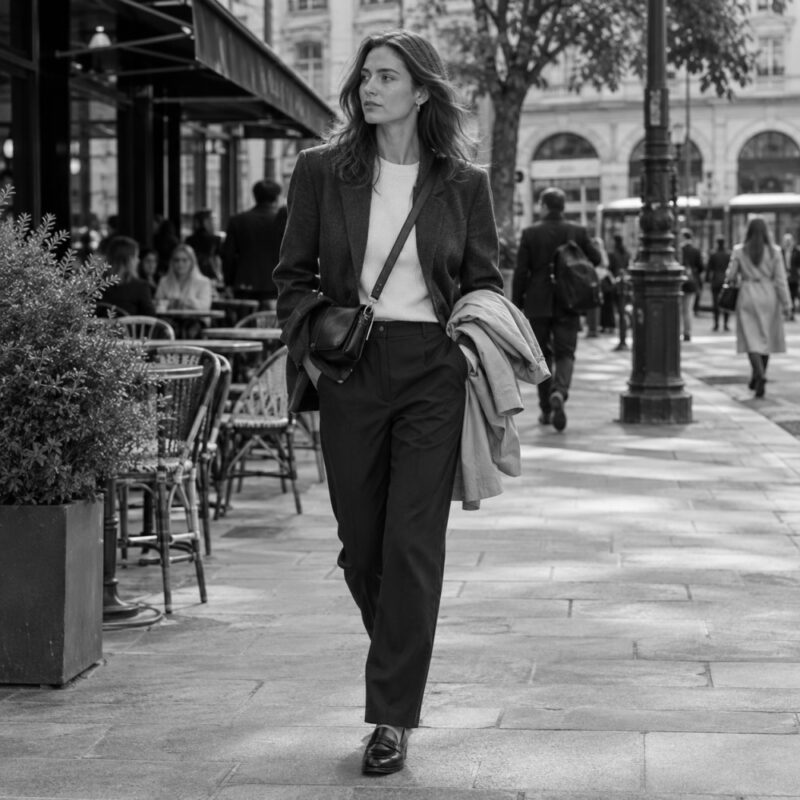
Changing lifestyles are influencing the way people think about clothes, especially when daily routines no longer follow a predictable pattern. Work, travel, social plans and personal time can now overlap within the same day. Clothing needs to move between those situations without feeling disconnected from the person wearing it. A morning outfit may need to work for a commute, an afternoon appointment and an evening gathering. That shift has made practicality part of personal style, rather than something separate from it.
Clothes That Adapt To The Day
A wardrobe built around changing routines often depends on pieces that can take on different roles. A structured jacket can sharpen jeans and a knit top, then work with tailored trousers later. A well-cut shirt can suit an office setting while still feeling natural at dinner. Shoes, bags and jewellery can also change the character of an outfit without requiring a complete change of clothes. These combinations give familiar pieces more relevance as schedules become less predictable.
Original price was: $222.00.$111.00Current price is: $111.00.

Hoodies
Original price was: $222.00.$111.00Current price is: $111.00.
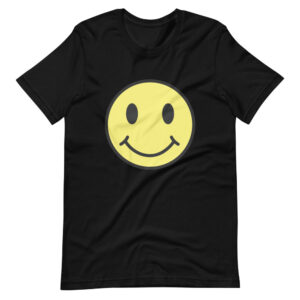
Original price was: $222.00.$111.00Current price is: $111.00.
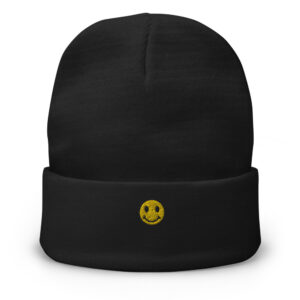
Beanies
Original price was: $222.00.$111.00Current price is: $111.00.
Changing Lifestyles And Wardrobe Choices
The relationship between lifestyle and clothing has also changed how people approach shopping. Instead of buying something for one imagined occasion, shoppers may consider how often a piece could fit into their existing routine. A jacket that works across several settings can have more practical value than a statement item with limited opportunities to wear it. The same applies to trousers, knitwear, shirts and outer layers. Thinking about real use can create a wardrobe that feels more connected to everyday life.
Dressing Around Different Commitments
Modern schedules can create unusual combinations of activities. Someone might leave home for work, meet friends for lunch, collect a child from school and attend a casual event later that evening. Each situation has its own expectations, yet changing clothes between every commitment is not always realistic. Layering offers one solution. A lightweight jacket, overshirt or cardigan can alter an outfit quickly, while accessories can shift the overall impression without adding much bulk.
Original price was: $222.00.$111.00Current price is: $111.00.
Hoodies
Original price was: $222.00.$111.00Current price is: $111.00.
Original price was: $222.00.$111.00Current price is: $111.00.
Beanies
Original price was: $222.00.$111.00Current price is: $111.00.
Personal Style Beyond A Single Routine
Personal style does not need to depend on having one fixed lifestyle. People move between different routines throughout the year, and clothing can change with them. Travel may call for versatile layers, while a new workplace can introduce different expectations around dress. Social commitments can bring another set of choices. Rather than abandoning an established style, many wardrobes can adapt through a few carefully chosen additions that connect with clothes already being worn.
Changing Lifestyles And What We Keep
There is also value in looking at clothes that remain useful despite changes in routine. A favourite coat may continue working for years because its appeal does not depend on one particular setting. A pair of trousers might become more useful after a change in footwear or styling. Even older pieces can find new relevance when the circumstances around them change. This makes personal style less about constantly replacing clothes and more about noticing what still belongs in everyday life.
Original price was: $222.00.$111.00Current price is: $111.00.
Hoodies
Original price was: $222.00.$111.00Current price is: $111.00.
Original price was: $222.00.$111.00Current price is: $111.00.
Beanies
Original price was: $222.00.$111.00Current price is: $111.00.
Finding A Better Rhythm With Clothing
Changing lifestyles do not necessarily require a completely different wardrobe. They can simply reveal new ways to use the clothes already available. As routines shift, familiar pieces can take on different roles, while thoughtful additions can fill genuine gaps. The result is a more personal relationship with getting dressed, where clothing responds to real days rather than an imagined version of them.
