

-
×
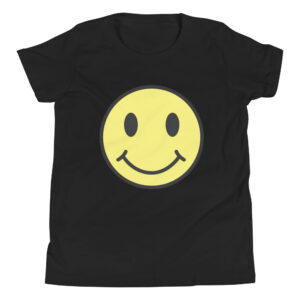 Have a Nice Day Kids T-Shirt
1 × $111.00
Have a Nice Day Kids T-Shirt
1 × $111.00
31
Dec
Dec
When Clothing Feels Aligned, Not Performed
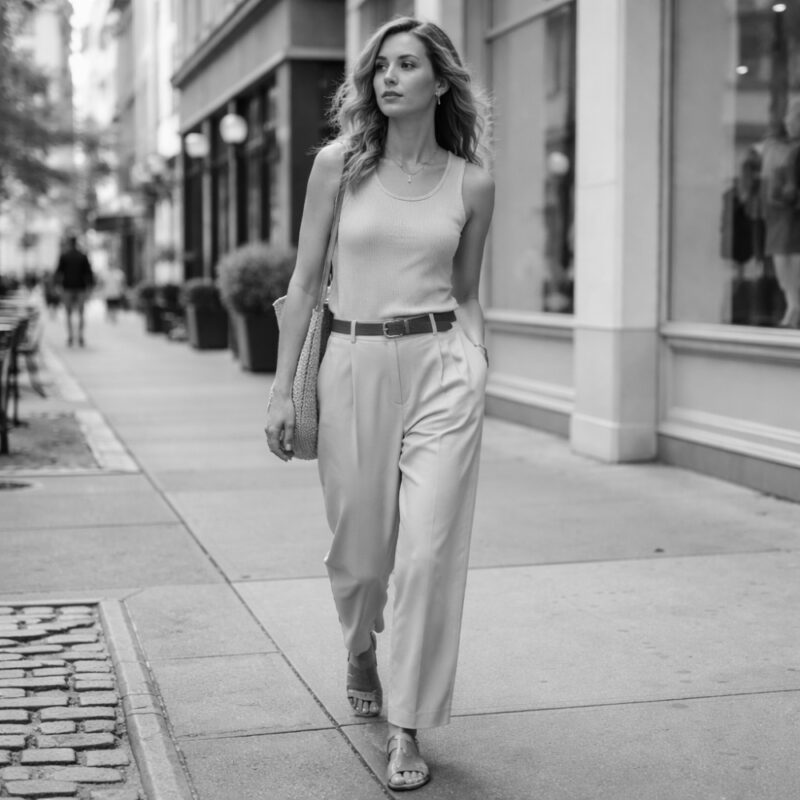
Feeling well dressed is often confused with looking polished, but the two experiences rarely land the same way. Looking put together can be achieved with rules, formulas, or imitation. Feeling well dressed is quieter and more personal. It shows up when clothing supports your body, your mood, and the pace of your day without demanding attention. This difference explains why some outfits photograph beautifully yet feel exhausting to wear, while others seem unremarkable but quietly carry you through the day with ease.
Why Feeling Well Dressed Changes How You Move
When you feel well dressed, your posture softens and your movements become less guarded. You are not adjusting straps, second guessing proportions, or wondering how you appear from behind. Clothing that feels right allows your attention to shift outward instead of inward. This is why confidence linked to clothing often has less to do with bold styling and more to do with ease. The body relaxes when it trusts what it is wearing, and that relaxation reads as confidence to others.
Original price was: $222.00.$111.00Current price is: $111.00.
Hoodies
Original price was: $222.00.$111.00Current price is: $111.00.
Original price was: $222.00.$111.00Current price is: $111.00.
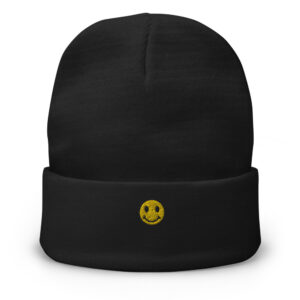
Beanies
Original price was: $222.00.$111.00Current price is: $111.00.
Feeling Well Dressed Versus Dressing For Approval
Many people learn to dress by absorbing outside approval, whether from trends, social media, or workplace expectations. While this can produce visually successful outfits, it does not guarantee feeling well dressed. Approval based dressing often prioritises how an outfit is perceived over how it is experienced. Feeling well dressed asks a different question. It asks whether the clothing supports your comfort, temperature, movement, and sense of self throughout the day, not just in a mirror or photo.
How Everyday Clothing Affects Emotional Comfort
Clothing interacts with emotion more than most people realise. Tight waistbands, restrictive fabrics, or impractical shoes create low level stress that accumulates over hours. Feeling well dressed reduces that friction. Breathable materials, familiar silhouettes, and reliable fits allow the nervous system to settle. This is why people often return to the same pieces repeatedly, not out of laziness, but because those items consistently support emotional and physical comfort.
Original price was: $222.00.$111.00Current price is: $111.00.
Hoodies
Original price was: $222.00.$111.00Current price is: $111.00.
Original price was: $222.00.$111.00Current price is: $111.00.
Beanies
Original price was: $222.00.$111.00Current price is: $111.00.
Developing A Personal Baseline For Feeling Well Dressed
Feeling well dressed becomes easier once you identify your personal baseline. This baseline is not a style label but a set of conditions. It might include how fabric feels against your skin, how much structure you enjoy, or how much visual simplicity helps you feel calm. Once these conditions are clear, shopping and outfit building become more intuitive. You stop chasing versions of yourself that only exist in theory and start dressing for the one who lives your actual daily life.
Why Trends Rarely Deliver The Same Satisfaction
Trends promise transformation, but they often ignore context. A trending silhouette may look compelling online while feeling awkward in real environments. Feeling well dressed is grounded in reality. It accounts for weather, walking distance, seating, and routine. This is why trend driven wardrobes can feel full yet unsatisfying. They offer visual novelty without delivering the physical and emotional ease that defines satisfaction over time.
Original price was: $222.00.$111.00Current price is: $111.00.
Hoodies
Original price was: $222.00.$111.00Current price is: $111.00.
Original price was: $222.00.$111.00Current price is: $111.00.
Beanies
Original price was: $222.00.$111.00Current price is: $111.00.
Letting Clothing Support You Over Time
The most reliable way to feel well dressed is to let clothing serve rather than perform. This means choosing pieces that quietly work instead of loudly proving something. Neutral colours, relaxed tailoring, and familiar shapes often play a role, but the principle applies across styles. When clothing supports your day without distraction, it stops being a costume and becomes a tool. That shift is subtle, but it is where consistency and ease quietly settle in.
