

-
×
 Have a Nice Day Kids T-Shirt
1 × $111.00
Have a Nice Day Kids T-Shirt
1 × $111.00
18
Feb
Feb
The Power of Controlled Simplicity
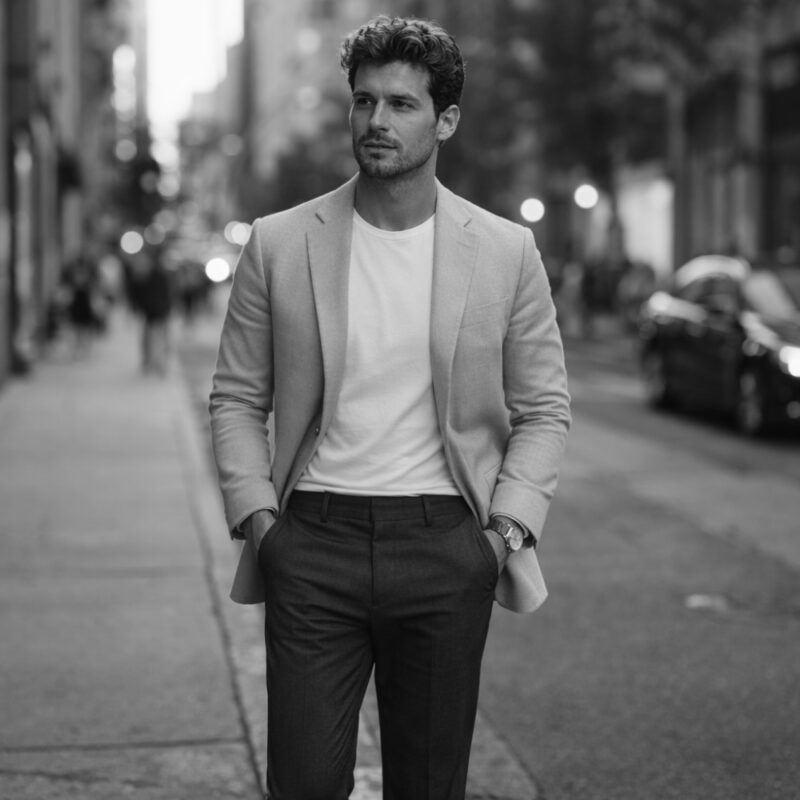
Simple outfits look expensive when restraint becomes intentional rather than accidental. The difference between ordinary and elevated style is rarely dramatic. It lives in precision. When silhouettes are clean, proportions are balanced, and nothing feels excessive, the overall impression shifts. Expensive style is not about layering trends or chasing attention. It is about control. When clothing feels edited and purposeful, people perceive it as refined. That perception has very little to do with price tags and everything to do with discipline in execution.
Original price was: $222.00.$111.00Current price is: $111.00.
Hoodies
Original price was: $222.00.$111.00Current price is: $111.00.
Original price was: $222.00.$111.00Current price is: $111.00.
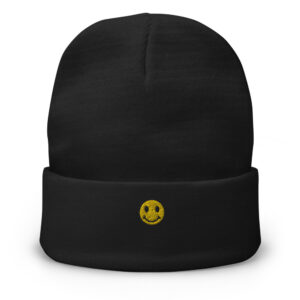
Beanies
Original price was: $222.00.$111.00Current price is: $111.00.
Why Simple Outfits Look Expensive When Fit Is Precise
Fit is the structural foundation of polish. If shoulders extend too far, sleeves bunch at the wrist, or trousers collapse at the ankle, the illusion breaks immediately. When garments align cleanly with the body, the entire look sharpens. Tailoring does not need to be extreme; even subtle adjustments can create definition. Clean lines through the torso and a controlled taper through the leg signal intention. That intention is what elevates basic pieces. When proportions are correct, simple outfits look expensive because they resemble custom tailoring rather than mass production.
Texture and Fabric Weight That Help Simple Outfits Look Expensive
Fabric choice quietly communicates quality. Heavier cotton, structured wool, refined knits, and linen with substance hold their shape throughout the day. They drape instead of cling. They crease softly instead of collapsing. Texture also creates visual depth within neutral palettes. A matte blazer layered over a smooth knit or paired with brushed trousers introduces dimension without adding complexity. When fabrics maintain structure and interact with light in a controlled way, simple outfits look expensive without needing logos or statement pieces.
Original price was: $222.00.$111.00Current price is: $111.00.
Hoodies
Original price was: $222.00.$111.00Current price is: $111.00.
Original price was: $222.00.$111.00Current price is: $111.00.
Beanies
Original price was: $222.00.$111.00Current price is: $111.00.
The Finishing Details That Make Simple Outfits Look Expensive
Polish lives in small decisions. Shoes should be clean, structured, and appropriate for the silhouette. Belts should align tonally with footwear. Hardware should be subtle rather than oversized. Even the way a shirt collar sits or how cuffs are pressed can influence perception. When every visible element feels cohesive, the outfit reads as intentional. That cohesion is often interpreted as cost. It is not about adding accessories; it is about removing distractions. Refined style eliminates friction between pieces so the entire look feels unified.
Color Discipline and Balanced Proportion
Luxury rarely appears chaotic. Controlled color palettes create calm authority. Limiting combinations to two or three complementary tones keeps the eye focused. Neutrals such as navy, charcoal, cream, and olive provide depth without noise. Proportion supports this discipline. If trousers are relaxed, footwear should remain streamlined. If a jacket carries structure, the base layer should stay minimal. Balanced silhouettes prevent exaggeration and preserve elegance. When color and proportion work together rather than compete, simplicity begins to feel elevated instead of plain.
Original price was: $222.00.$111.00Current price is: $111.00.
Hoodies
Original price was: $222.00.$111.00Current price is: $111.00.
Original price was: $222.00.$111.00Current price is: $111.00.
Beanies
Original price was: $222.00.$111.00Current price is: $111.00.
Maintenance and Presence Complete the Impression
Even the best styling collapses without upkeep. Wrinkled fabric, fading collars, stretched knitwear, or worn soles immediately reduce perceived value. Regular pressing, proper storage, and timely replacement maintain sharpness. Grooming reinforces the effect. Clean hairlines, subtle fragrance, and confident posture extend refinement beyond clothing. Ultimately, simple outfits look expensive because they project control. Not loudness. Not trend-chasing. Just composure. And composure, when consistently maintained, is what people recognize as true polish.
