

-
×
 Have a Nice Day Kids T-Shirt
1 × $111.00
Have a Nice Day Kids T-Shirt
1 × $111.00
14
Sep
Sep
Small Styling Details Can Shift The Whole Look
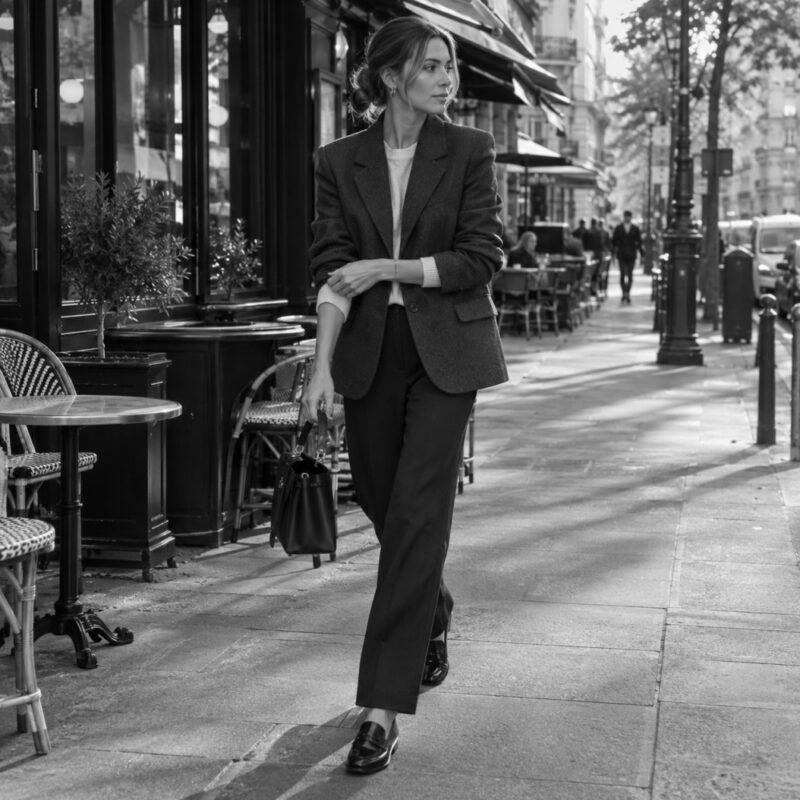
An outfit can change character through surprisingly minor decisions. Small styling details can influence whether familiar clothes feel polished, relaxed, directional or unexpected. The main pieces can stay exactly the same while the finished look takes on a different personality. A sleeve pushed back, a different shoe shape or a bag carried in another way can alter the visual balance without requiring a completely new wardrobe. These choices also reveal how personal style develops through repetition. The more familiar someone becomes with their clothes, the easier it can be to notice which small adjustments create the strongest result.
Sleeves And Layers Change The Shape
Sleeves offer one of the easiest ways to introduce variation into an outfit. Rolling a shirt sleeve creates a different line from leaving it buttoned at the wrist, while pushing a lightweight jacket slightly higher can expose another layer underneath. These changes affect more than appearance because they alter how clothing moves around the body. Layering provides another opportunity to shift the shape. A shirt collar sitting outside a jacket can create a sharper outline, while a fine knit beneath an open overshirt can produce a softer effect. None of these adjustments requires another purchase, yet each can make familiar clothing look deliberately different.
Original price was: $222.00.$111.00Current price is: $111.00.
Hoodies
Original price was: $222.00.$111.00Current price is: $111.00.
Original price was: $222.00.$111.00Current price is: $111.00.
Beanies
Original price was: $222.00.$111.00Current price is: $111.00.
Small Styling Details Around The Waist
The position of clothing around the waist can change the proportions of an entire outfit. Tucking a shirt fully into trousers creates a clear waistline, while a partial tuck introduces a less formal shape. A belt can add another visual break, although it does not always need to become the focus of the outfit. Trousers respond to similar adjustments. The way a waistband sits can affect how a shirt or jacket falls above it, while the rise of the trousers changes the relationship between the upper and lower parts of the outfit. These small shifts can make the same garments appear sharper, longer, looser or more structured.
Shoes Can Redirect The Outfit
Shoes often determine where an outfit sits stylistically. The same pair of trousers can look sharper with pointed leather shoes, more casual with clean trainers or more traditional with loafers. Changing footwear can therefore alter the impression of an outfit without changing the clothes themselves. Socks can contribute as well. A visible sock creates another line between the trouser hem and shoe, particularly with cropped or straight-leg trousers. That narrow section can become part of the overall composition instead of disappearing between two garments. Shoe shape also influences proportion, making footwear one of the simplest ways to change the character of familiar pieces.
Original price was: $222.00.$111.00Current price is: $111.00.
Hoodies
Original price was: $222.00.$111.00Current price is: $111.00.
Original price was: $222.00.$111.00Current price is: $111.00.
Beanies
Original price was: $222.00.$111.00Current price is: $111.00.
Accessories Create Points Of Interest
Accessories provide another way to make established clothing combinations feel different. A structured handbag can give a loose outfit a more considered appearance, while a compact crossbody can shift the same pieces towards something more practical for everyday movement. Jewellery works in a similar way. A single watch, pair of earrings or necklace can provide enough contrast to change where the eye settles. Scale matters too. Delicate jewellery creates a different effect from a larger sculptural piece, while a small handbag can look very different from an oversized carryall. Choosing one strong accessory can sometimes have more impact than adding several competing details.
Small Styling Details Keep Familiar Clothes Interesting
Repeating clothes does not have to mean repeating an outfit. Small styling details create room to approach the same pieces from different directions, which can make a familiar wardrobe feel considerably less predictable. A jacket can be worn open one day and fastened another. Trousers can meet different shoes, while the same shirt can sit beneath a knit, jacket or coat. These changes are especially useful when a wardrobe already contains pieces that work well but have started to feel overly familiar. Instead of replacing them, changing one element can reveal another possibility that was already there.
Original price was: $222.00.$111.00Current price is: $111.00.
Hoodies
Original price was: $222.00.$111.00Current price is: $111.00.
Original price was: $222.00.$111.00Current price is: $111.00.
Beanies
Original price was: $222.00.$111.00Current price is: $111.00.
Personal Style Develops Through Small Choices
Personal style often becomes clearer through these repeated decisions. Small styling details can show why one combination feels more distinctive than another, even when the individual garments are simple. Over time, preferences begin to emerge around proportions, accessories, footwear, layers and the way particular pieces are worn. That process does not require a constant stream of new clothing. It comes from paying attention to what changes the feeling of an outfit and recognising which adjustments feel natural. Sometimes the most effective way to refresh a wardrobe is not to add another garment, but to look again at the clothes already hanging inside it.
