

Jan
Navigating the Mental Weight of Getting Dressed
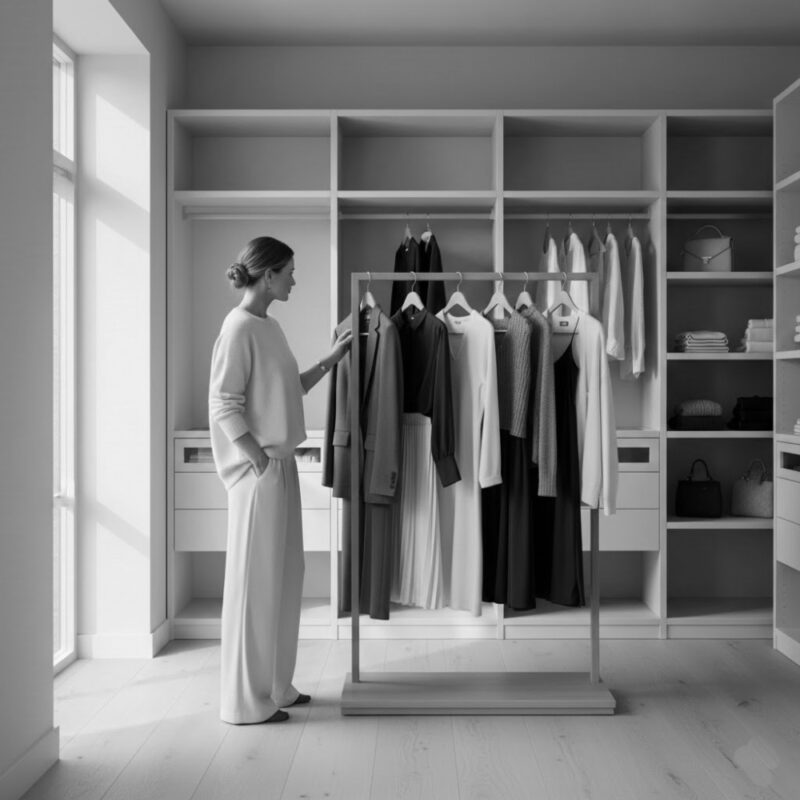
Most of us stand before a closet overflowing with options only to reach for the same reliable pair of trousers and a soft knit sweater. This phenomenon is rarely about a lack of creativity; instead, it is driven by decision fatigue fashion and the brain’s desire to preserve cognitive energy for more demanding tasks. When we limit our choices to a handful of “tried and true” pieces, we aren’t just getting dressed—we are subconsciously streamlining our mental workspace. By eliminating the friction of an early-morning choice, we enter the day with a clearer mind and a more focused sense of self.
Why Our Brains Crave Decision Fatigue Fashion Solutions
The human brain is wired to find patterns and shortcuts to avoid being overwhelmed by the sheer volume of choices presented in modern life. As we navigate hundreds of micro-choices daily, the act of choosing an outfit becomes a silent drain on our willpower, making the morning routine feel like an unnecessary hurdle. When we settle into a rotation of five favorite outfits, we are effectively automating a part of our lives that would otherwise require significant emotional and analytical energy.
Hoodies
Beanies
Reducing Stress With Decision Fatigue Fashion Strategies
By adopting specific decision fatigue fashion strategies, we provide ourselves with a sense of safety and predictability in an often unpredictable world. Knowing exactly how a specific blazer fits or how a certain pair of boots feels on the pavement offers a micro-dose of control before we even leave the house. We aren’t just wearing clothes; we are wearing a psychological armor that has already been tested and approved by our subconscious, allowing us to shift our focus from how we look to what we actually need to accomplish.
The Emotional Security of a Signature Uniform
Beyond the practical benefits of efficiency, there is a deep-seated emotional comfort found in repetitive dressing that calms the nervous system. Many of the items we gravitate toward are those that have seen us through successful presentations, cozy weekends, or significant personal milestones. We associate these garments with a specific version of ourselves—the confident professional or the relaxed creative—and by returning to these pieces, we are attempting to inhabit those positive mindsets once again.
Hoodies
Beanies
Overcoming Daily Decision Fatigue Fashion Obstacles
Managing the stress of decision fatigue fashion also involves recognizing the tactile comfort of familiar materials and how they influence our sensory processing. The experience of a well-worn linen shirt or a broken-in pair of jeans provides a consistent physical environment for the body, which helps regulate our mood throughout the day. This sensory consistency acts as a grounding force when the rest of our schedule feels chaotic, turning our wardrobe into a tool for emotional stability.
The Power of Knowing Your Personal Proportions
While the fashion industry often pushes the narrative of endless novelty, the most stylish people frequently understand that consistency is a sign of self-awareness. A curated, repetitive wardrobe reflects a person who knows their proportions, their needs, and their lifestyle limits without needing external validation. It is a quiet rebellion against the pressure to constantly reinvent oneself, proving that true style is found in the confidence of a repeat performance.
Hoodies
Beanies
Finding Clarity in the Act of Repetition
Ultimately, wearing the same five outfits isn’t a sign of boredom; it is a sign of a life that is being lived with intention and clarity. When the clothes serve the person rather than the person serving the wardrobe, we free up the mental bandwidth necessary for true creativity and connection. Embracing our favorite repeats allows us to step out into the world with a solidified identity, ready to face the day’s real challenges with a steady and unburdened mind.
