

-
×
 Have a Nice Day Beanie
1 × $111.00
Have a Nice Day Beanie
1 × $111.00
15
Aug
Aug
Building a Better Wardrobe Starts With What You Actually Wear
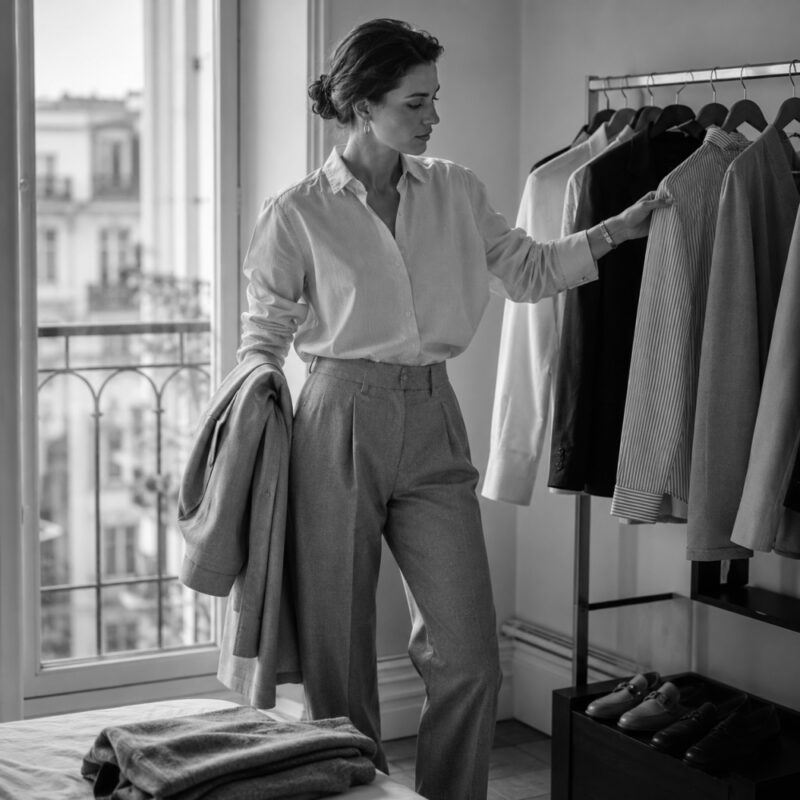
A building a better wardrobe approach begins with paying closer attention to the clothing that already earns regular wear. Instead of constantly adding new garments, it can be more useful to consider which shirts, trousers, jackets, knitwear and other essentials consistently make getting dressed easier. Clothing that works across several occasions has greater value because it can form the foundation of multiple outfits without feeling repetitive. This shift can make a wardrobe feel more practical while still leaving plenty of room for personal style.
Original price was: $222.00.$111.00Current price is: $111.00.
Hoodies
Original price was: $222.00.$111.00Current price is: $111.00.
Original price was: $222.00.$111.00Current price is: $111.00.
Original price was: $222.00.$111.00Current price is: $111.00.
Looking Beyond the Appeal of More Choice
A crowded wardrobe can create the impression that there should always be something new to wear, yet having more options does not necessarily make dressing easier. Garments that only work with one particular outfit can quickly become overlooked, while versatile pieces tend to return to regular rotation. Reducing unnecessary duplication creates more space for clothing that genuinely contributes something different, whether that means a useful layer, a distinctive texture or a silhouette that changes the balance of an outfit.
Building a Better Wardrobe Through Versatile Choices
Versatility becomes particularly important when fewer garments make up the foundation of a wardrobe. A well-cut shirt might work with tailored trousers during the week, denim at the weekend and layered beneath knitwear when temperatures fall. A simple jacket can create another combination without requiring a completely different outfit. These possibilities make individual pieces more useful and can reduce the temptation to buy something new every time an outfit feels familiar. Colour can also support versatility without forcing every garment into a neutral palette, allowing carefully chosen shades and subtle patterns to add personality while remaining easy to wear.
Original price was: $222.00.$111.00Current price is: $111.00.
Hoodies
Original price was: $222.00.$111.00Current price is: $111.00.
Original price was: $222.00.$111.00Current price is: $111.00.
Original price was: $222.00.$111.00Current price is: $111.00.
Choosing Quality Over Constant Variety
When a wardrobe contains fewer garments, the quality of each piece becomes more noticeable. Fabric weight, construction, stitching and finishing can influence how clothing feels during everyday wear and how well it maintains its shape over time. A shirt made from substantial cotton, for example, may feel more satisfying and dependable than a thinner alternative that quickly loses its structure. Price alone does not determine quality, so the more useful question is whether an item offers enough comfort, durability and versatility to justify its place in regular rotation.
Letting Personal Style Guide the Selection
A smaller wardrobe can make personal preferences easier to recognise because there are fewer distractions competing for attention. Patterns often emerge around the silhouettes, colours and fabrics that feel most natural. Someone might consistently prefer relaxed shirts, straight-leg trousers and understated footwear, while another person may feel more comfortable in structured jackets and softer flowing layers. Recognising these preferences can make future purchases more purposeful without removing the possibility of experimentation or change.
Original price was: $222.00.$111.00Current price is: $111.00.
Hoodies
Original price was: $222.00.$111.00Current price is: $111.00.
Original price was: $222.00.$111.00Current price is: $111.00.
Original price was: $222.00.$111.00Current price is: $111.00.
Making Everyday Clothing Work Harder
The most effective wardrobe pieces often have more than one role, which makes them especially valuable when building a collection around fewer garments. A lightweight overshirt can function as an outer layer during mild weather and as an additional layer beneath a heavier coat. A knitted polo can look polished with tailored trousers while remaining relaxed with jeans. Even a straightforward T-shirt can take on a different character depending on the jacket, footwear and accessories worn with it. This flexibility allows familiar clothing to create different impressions without requiring constant additions.
Building a Better Wardrobe Without Losing Personality
Fewer garments do not have to produce a bland or overly controlled wardrobe. Personality can come through unusual textures, distinctive collars, interesting buttons, expressive outerwear or carefully selected accessories. Layering can also create variety without adding large numbers of new garments. A shirt beneath a knit, a jacket over a simple top or a textured overshirt above a basic outfit can introduce different proportions and visual depth. These changes allow a relatively compact collection to remain interesting while still feeling cohesive.
Original price was: $222.00.$111.00Current price is: $111.00.
Hoodies
Original price was: $222.00.$111.00Current price is: $111.00.
Original price was: $222.00.$111.00Current price is: $111.00.
Original price was: $222.00.$111.00Current price is: $111.00.
Thinking Carefully Before the Next Purchase
A considered approach to shopping can change the relationship with new clothing. Before buying something, it helps to think about which existing garments it could work with and how often it might realistically be worn. If a new shirt only works with one pair of trousers while another option works with several existing pieces, the second garment may offer considerably more value. This approach can also reduce unnecessary duplication and encourage purchases that fill genuine gaps rather than simply adding another version of something already owned.
Creating More Room for Clothes That Matter
A wardrobe becomes easier to appreciate when each garment has a clear reason for being there. Removing pieces that never get worn can make favourite clothing more visible and accessible, while the space created can be reserved for items that offer something genuinely useful. This does not require following strict rules about how many garments someone should own. The aim is simply to create a collection where everyday favourites are not buried beneath clothing that rarely feels right.
Original price was: $222.00.$111.00Current price is: $111.00.
Hoodies
Original price was: $222.00.$111.00Current price is: $111.00.
Original price was: $222.00.$111.00Current price is: $111.00.
Original price was: $222.00.$111.00Current price is: $111.00.
Building a Wardrobe That Feels Like Your Own
The appeal of fewer, better-chosen garments ultimately comes from having clothing that feels connected rather than random. Each piece can contribute something useful while still reflecting individual taste, making everyday dressing feel less dependent on constant novelty. A wardrobe built this way can continue evolving as personal preferences change, but new additions have a clearer purpose and existing favourites remain central to the way outfits come together. The result is not simply a smaller collection of clothes, but a more personal and satisfying way to dress.
