

Jan
The Invisible Guidelines Behind Everyday Style
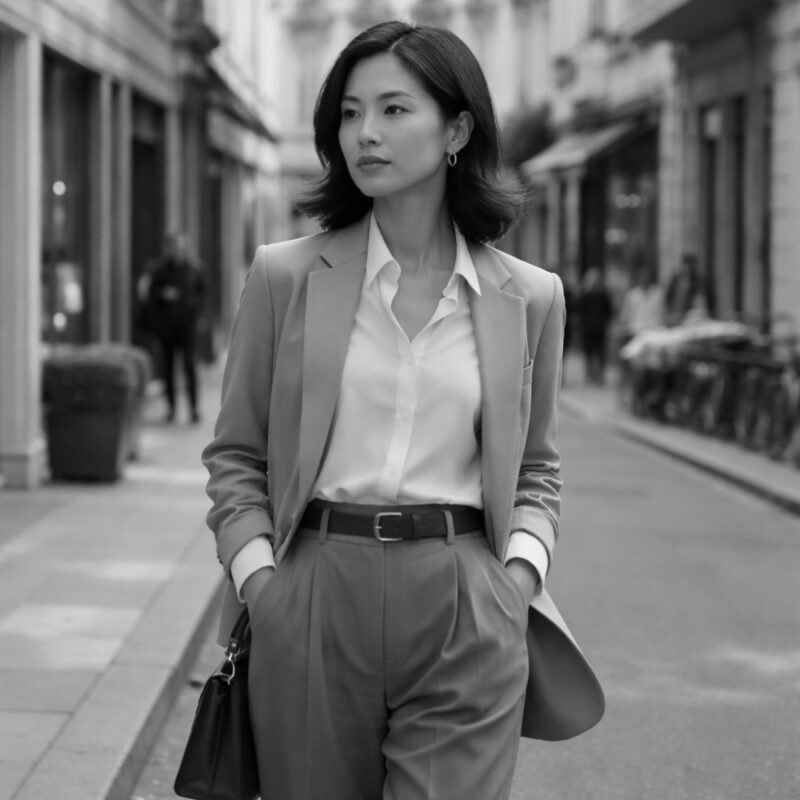
Unspoken fashion rules quietly shape how we get dressed each day, often without us realizing where those instincts come from. From choosing dark colors for formal settings to avoiding certain combinations that “just feel wrong,” many decisions are guided by habits we absorbed through culture, media, and observation rather than instruction. These rules don’t come from rulebooks, yet they strongly influence what feels appropriate, flattering, or acceptable in different situations.
Hoodies
Beanies
How Unspoken Fashion Rules Are Learned Over Time
Most unspoken fashion rules are picked up early. Watching parents dress for work, seeing celebrities styled a certain way, or noticing what classmates wear to fit in all create visual patterns. Over time, those patterns harden into expectations. You may never be told that mixing specific prints is risky or that certain fabrics signal formality, but repeated exposure trains the eye and mind to recognize what “works.”
Unspoken Fashion Rules Around Fit and Proportion
Fit is one of the strongest areas governed by unspoken fashion rules. Many people instinctively balance loose and fitted pieces without knowing why. Oversized silhouettes are often paired with something structured, while slim outfits usually avoid extra volume. These choices feel natural because they align with long-standing ideas of proportion, even as trends shift around them.
Hoodies
Beanies
Color Pairings We Follow Without Question
Color rules are another quiet force. Neutrals are seen as safe, brights as expressive, and certain combinations are treated as timeless while others feel risky. These judgments aren’t random. They’re reinforced by retail displays, magazines, and social media styling. Over time, people internalize which colors “belong” together, rarely stopping to question who decided that in the first place.
Social Situations and Silent Style Expectations
Events come with their own unspoken fashion rules. Weddings, work settings, travel, and casual gatherings all carry invisible dress codes. Even when invitations are vague, most people arrive dressed within a narrow range because the social expectation is already understood. Standing out too much can feel uncomfortable, not because it’s wrong, but because it breaks a shared visual agreement.
Hoodies
Beanies
When Unspoken Fashion Rules Start to Change
While these rules feel fixed, they do evolve. Casual dressing entering professional spaces, sneakers paired with tailored outfits, and relaxed wedding attire all show how collective behavior can rewrite old guidelines. Once enough people challenge a rule successfully, it stops feeling like a rule at all and becomes another accepted option.
Choosing Which Rules Are Worth Keeping
Not all unspoken fashion rules deserve to be followed. Some provide helpful structure, while others limit personal expression. Becoming aware of them creates choice. Instead of dressing on autopilot, you can decide which guidelines support your lifestyle and which ones no longer serve you. Style becomes more intentional when it’s guided by awareness rather than habit.
Hoodies
Beanies
A More Conscious Way to Get Dressed
Recognizing these patterns doesn’t mean rejecting them entirely. It simply allows space to dress with clarity rather than pressure. When you understand why something feels right or wrong, you gain control over your choices and confidence in bending the rules when it matters most.
