

-
×
 Have a Nice Day Kids T-Shirt
1 × $111.00
Have a Nice Day Kids T-Shirt
1 × $111.00
19
Mar
Mar
Where Good Style Actually Begins
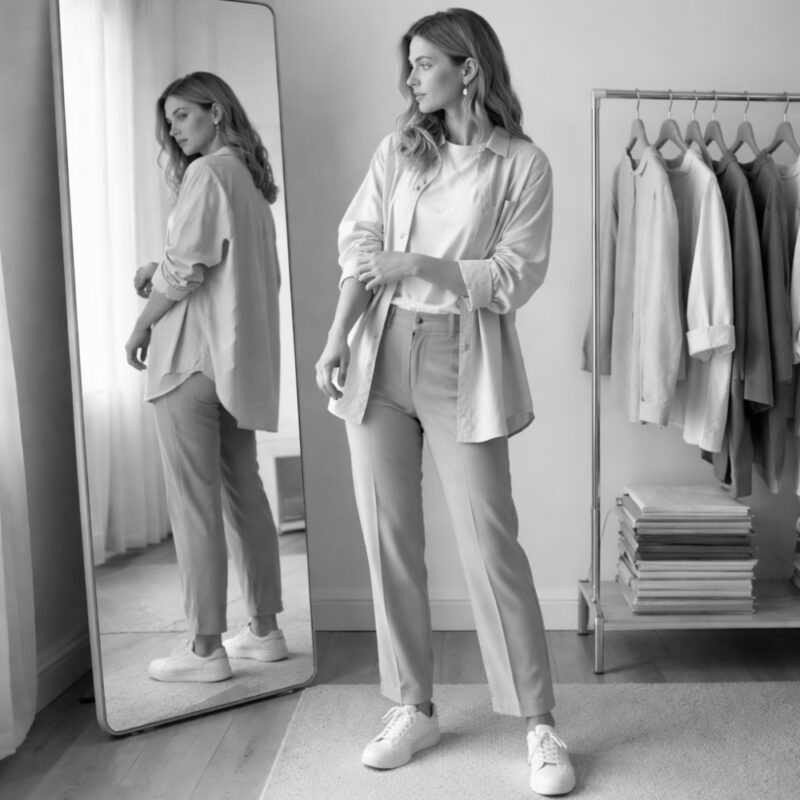
Most people assume dressing well starts with buying new clothes, but it usually begins with awareness. The difference between an average outfit and a considered one often comes down to how pieces work together rather than what they cost. When you start noticing proportions, how fabrics sit, and how colours interact, your outfits naturally begin to feel more intentional. It’s less about chasing something new and more about refining what you already have.
Original price was: $222.00.$111.00Current price is: $111.00.
Hoodies
Original price was: $222.00.$111.00Current price is: $111.00.
Original price was: $222.00.$111.00Current price is: $111.00.
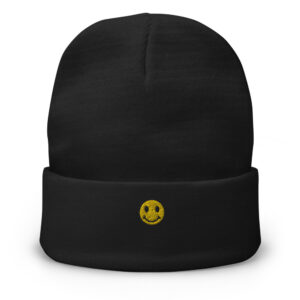
Beanies
Original price was: $222.00.$111.00Current price is: $111.00.
Why Getting Dressed and How to Dress Well Are Not the Same
Getting dressed is automatic and functional, something most people do without thinking. Understanding how to dress well is a separate skill entirely. It involves making small, deliberate choices that improve the overall look without adding complexity. This might mean swapping one item, adjusting how something sits, or removing a piece that throws off balance. The shift is subtle, but it creates a noticeable difference in how an outfit comes across.
Fit Is the Foundation of How to Dress Well
Fit is often the first thing people notice, even if they can’t explain why something looks right or wrong. Clothing that fits properly creates clean lines and a sense of structure, while poor fit can make even expensive pieces look careless. This doesn’t mean everything needs to be tight or tailored, but it does mean proportions should feel balanced. When sleeves, hems, and overall shape align with your body, the entire outfit becomes easier to read.
Original price was: $222.00.$111.00Current price is: $111.00.
Hoodies
Original price was: $222.00.$111.00Current price is: $111.00.
Original price was: $222.00.$111.00Current price is: $111.00.
Beanies
Original price was: $222.00.$111.00Current price is: $111.00.
Fabric and Texture Shape the Overall Look
Fabric plays a bigger role than most people realise. Two outfits with the same colours and structure can feel completely different depending on the materials used. Heavier fabrics tend to add structure, while lighter ones create a more relaxed feel. Texture also adds depth, especially when working within a simple colour palette. Paying attention to these elements helps outfits feel more considered without needing to add more pieces.
Why Simplicity Often Leads to Better Results
When something doesn’t feel right, the instinct is often to add more, but this usually creates clutter. Simplicity tends to produce cleaner and more confident outfits. Limiting colour variation and sticking to consistent shapes allows each piece to stand on its own. Instead of competing elements, the outfit feels cohesive. This approach also makes it easier to repeat combinations that work without overthinking the process every time.
Original price was: $222.00.$111.00Current price is: $111.00.
Hoodies
Original price was: $222.00.$111.00Current price is: $111.00.
Original price was: $222.00.$111.00Current price is: $111.00.
Beanies
Original price was: $222.00.$111.00Current price is: $111.00.
The Details That Define How to Dress Well
Small details are often what separate an outfit that looks fine from one that feels intentional. This includes things like how sleeves are rolled, whether shoes are clean, or how garments are layered. None of these choices are dramatic on their own, but together they create a clear difference. People who understand how to dress well tend to focus on these subtle adjustments rather than relying on standout pieces.
Building Consistency Into Everyday Style
Consistency is what turns occasional good outfits into a reliable personal style. Once you understand what works, you stop relying on guesswork. You begin to repeat combinations that feel right and avoid ones that don’t. Over time, this builds a sense of ease in how you get dressed each day. Instead of chasing a perfect look, you develop a steady approach that makes dressing well feel natural and sustainable.
Original price was: $222.00.$111.00Current price is: $111.00.
Hoodies
Original price was: $222.00.$111.00Current price is: $111.00.
Original price was: $222.00.$111.00Current price is: $111.00.
Beanies
Original price was: $222.00.$111.00Current price is: $111.00.
Where It All Comes Together
Dressing well doesn’t require a complete wardrobe overhaul or constant attention to trends. It comes from understanding the small factors that influence how an outfit feels and making subtle adjustments over time. When those choices become consistent, the difference between simply getting dressed and presenting yourself with intention becomes clear without needing to force it.
