

-
×
 Have a Nice Day Kids T-Shirt
1 × $111.00
Have a Nice Day Kids T-Shirt
1 × $111.00
16
Dec
Dec
A Softer Way of Thinking About Getting Dressed
Modern wardrobes are no longer built around stiffness, restriction, or clothing that only works for a narrow window of the day. Instead, people are reassessing how their clothes actually fit into real routines. Work, errands, social plans, and downtime now blur together, and dressing has adapted accordingly. This shift is not about lowering standards or abandoning style. It reflects a growing preference for clothes that feel wearable from morning through evening without demanding constant adjustment.
Original price was: $222.00.$111.00Current price is: $111.00.
Hoodies
Original price was: $222.00.$111.00Current price is: $111.00.
Original price was: $222.00.$111.00Current price is: $111.00.
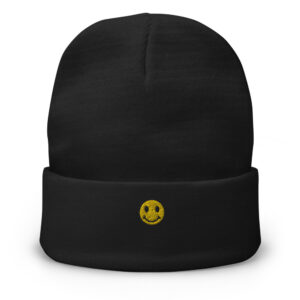
Beanies
Original price was: $222.00.$111.00Current price is: $111.00.
Why Modern Wardrobes No Longer Center on Rigid Silhouettes
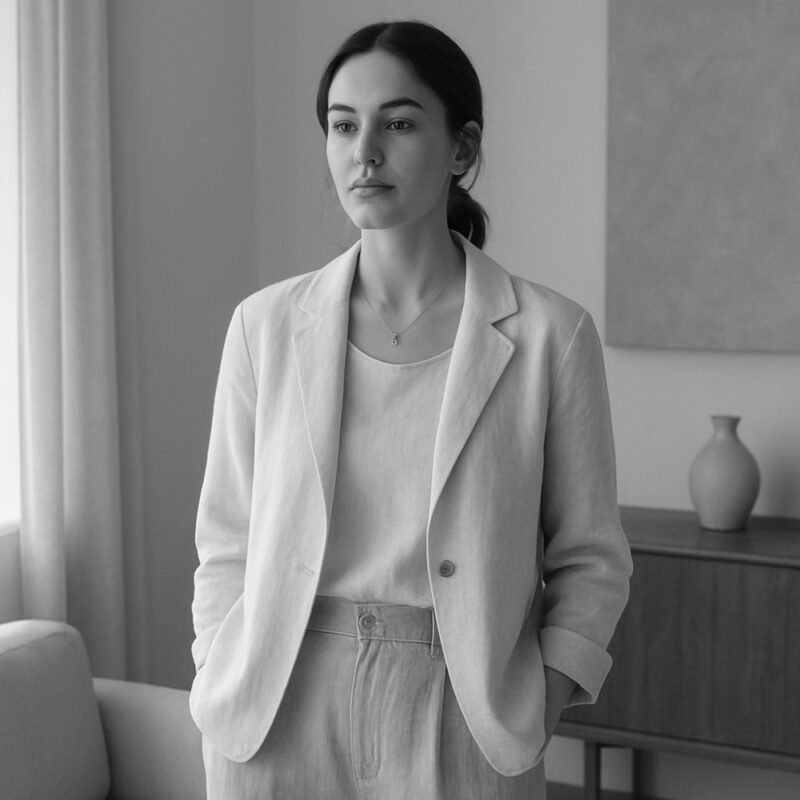
Hard structure once signaled polish, professionalism, and intention. Tailored blazers, firm waistbands, and heavy fabrics defined what it meant to look put together. But modern wardrobes are slowly moving away from these cues because they no longer match how people live. Long days, flexible schedules, and more casual environments make rigid clothing feel impractical. Softer tailoring, relaxed cuts, and flexible materials allow outfits to move with the body rather than work against it. The result still looks considered, but it feels noticeably easier to wear.
Comfort as a Foundation Rather Than an Afterthought
Comfort used to be treated as a bonus feature rather than a starting point. Now, it is central to how modern wardrobes are built. Breathable fabrics, elasticated waists that don’t look casual, and garments designed for movement are becoming standard rather than niche. This change doesn’t remove visual interest from outfits. Instead, it encourages thoughtful choices around texture, proportion, and layering. When clothing feels comfortable from the start, people are more likely to wear pieces often rather than saving them for rare occasions.
Original price was: $222.00.$111.00Current price is: $111.00.
Hoodies
Original price was: $222.00.$111.00Current price is: $111.00.
Original price was: $222.00.$111.00Current price is: $111.00.
Beanies
Original price was: $222.00.$111.00Current price is: $111.00.
How Modern Wardrobes Balance Ease and Visual Structure
Moving away from hard structure does not mean abandoning shape altogether. Modern wardrobes still rely on balance, but the structure is quieter. A softly tailored coat, a knit with subtle shaping, or trousers with a relaxed drape all provide form without stiffness. These pieces offer definition through cut and fabric rather than rigidity. This approach allows outfits to look intentional while remaining adaptable to different settings, from casual workdays to low-key social events.
The Role of Fabric in Modern Wardrobe Choices
Fabric plays a major role in this evolution. Lightweight knits, soft wovens, and natural fibers are replacing heavier, unforgiving materials. These textiles respond better to movement and temperature changes, making them easier to wear for extended periods. In modern wardrobes, fabric choice often matters more than trend-driven design. A simple garment made from a high-quality, breathable material can feel more refined than a highly structured piece that limits comfort.
Original price was: $222.00.$111.00Current price is: $111.00.
Hoodies
Original price was: $222.00.$111.00Current price is: $111.00.
Original price was: $222.00.$111.00Current price is: $111.00.
Beanies
Original price was: $222.00.$111.00Current price is: $111.00.
Why This Shift Feels Permanent Rather Than Trend Based
Unlike seasonal trends, this movement reflects a deeper change in priorities. Modern wardrobes are being shaped by lifestyle rather than fashion cycles. People want clothes that support daily life, not outfits that demand special planning. Once someone experiences the ease of clothing that works across multiple parts of the day, returning to restrictive pieces feels unnecessary. This makes the shift away from hard structure feel lasting rather than temporary.
Modern Wardrobes and the Redefinition of Polished Style
Polish is no longer defined by stiffness or formality. Today, it often comes from coherence, fit, and ease. Modern wardrobes emphasize clothes that align with personal routines while still looking thoughtful. A relaxed outfit that fits well and feels intentional now communicates confidence more effectively than something visibly uncomfortable. This redefinition allows style to feel more personal and less performative.
Original price was: $222.00.$111.00Current price is: $111.00.
Hoodies
Original price was: $222.00.$111.00Current price is: $111.00.
Original price was: $222.00.$111.00Current price is: $111.00.
Beanies
Original price was: $222.00.$111.00Current price is: $111.00.
How Modern Wardrobes Reflect Real Life Now
The movement away from hard structure signals a more realistic relationship with clothing. Modern wardrobes are becoming quieter, softer, and more adaptable, reflecting how people actually move through their days. Rather than dressing for a single moment, this approach allows style to exist comfortably across an entire life, without friction or compromise.
