

Mar
Starting With the Right Foundation
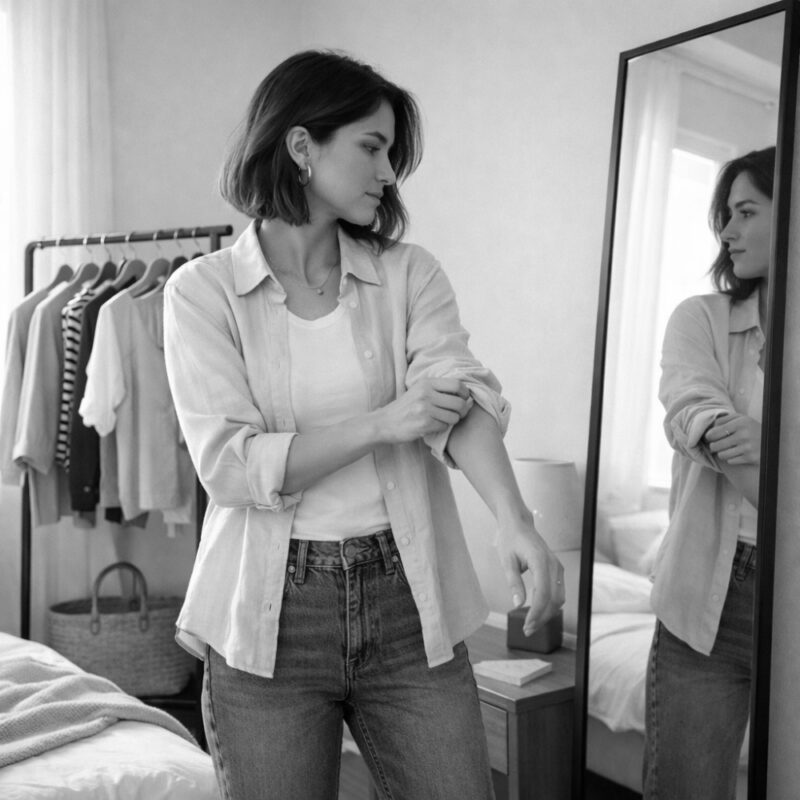
Learning how to style basics starts with a shift in how you see simple clothing. Basic pieces are not the issue on their own. The problem usually comes from how they are combined. A plain T-shirt and jeans can look either forgettable or quietly refined. The difference comes down to intention. When you treat basics as a base to build from, rather than the full outfit, everything starts to feel more considered.
Hoodies

Beanies
Why How to Style Basics Comes Down to Fit
Fit shapes the entire outcome of an outfit before anything else. Clothes that sit well on the shoulders and fall clean through the body create a stronger first impression. Length and proportion matter just as much as the item itself. When thinking about how to style basics, balance becomes key. A relaxed top paired with a more structured bottom creates contrast without effort. That contrast is what gives simple outfits more presence.
Using Layers to Change the Feel of Simple Outfits
Layers give simple outfits more depth without making them feel heavy. A lightweight overshirt, a relaxed blazer, or even a hoodie can shift the tone instantly. The goal is not to add more for the sake of it, but to create variation. When different shapes and weights come together, the outfit starts to feel complete. Even subtle layering can make basics look more intentional.
Hoodies
Beanies
How to Style Basics With Texture and Fabric
Texture adds interest in a way that feels natural and understated. Instead of relying on bold colors or prints, focus on how fabrics interact. Soft cotton against denim, or a structured jacket over a smooth base layer, creates quiet contrast. When you understand how to style basics through texture, you stop needing statement pieces. The outfit carries itself through small differences that feel easy but effective.
Footwear Choices That Change Everything
Footwear often decides how an outfit is perceived. Clean sneakers keep the look minimal and relaxed, while leather shoes or boots bring in a sharper edge. Even small changes in shape or finish can shift the overall feel. You do not need a large rotation of clothes. Changing footwear alone can make the same outfit feel different from one day to the next.
Hoodies
Beanies
How to Style Basics With Small Details That Matter
Small details pull everything together without drawing too much attention. A simple watch, a clean belt, or subtle jewelry can break up an otherwise flat look. These pieces should feel like part of the outfit, not an afterthought. When used well, they add structure and intention without overwhelming the simplicity of the base.
Building Confidence Around Simple Clothing
Wearing simple clothing well comes down to confidence as much as styling. Not every outfit needs a standout piece to feel complete. When the fit works and the layers feel balanced, basics naturally look more refined. Over time, this approach builds consistency. You rely less on trends and more on what you know works.
Hoodies
Beanies
When Simple Outfits Start to Feel Complete
There is a point where simple outfits stop feeling plain and start feeling deliberate. Nothing looks forced, and nothing feels missing. Each piece works with the others in a quiet way that still stands out. That balance is what makes basics effective, not the clothes themselves, but how they are worn.
