

Feb
Where Most Closets Go Wrong
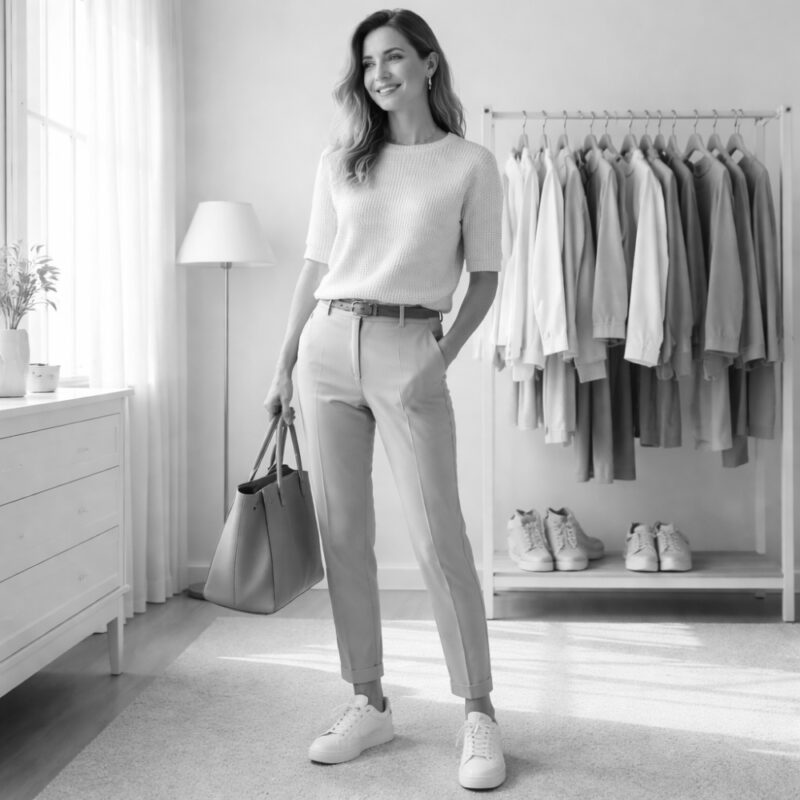
Most people don’t struggle because they lack clothes. They struggle because their wardrobe doesn’t reflect their actual life. You might have great pieces individually, but if they don’t work together or don’t match your daily routine, getting dressed becomes a daily negotiation. The solution isn’t more shopping. It’s clarity, proportion, and smarter structure.
Hoodies
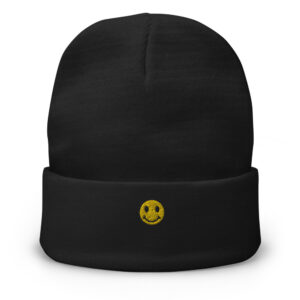
Beanies
Why Building a Versatile Wardrobe Starts With Honesty
Building a versatile wardrobe begins with an honest audit of how you spend your time. If your week is split between casual workdays, social dinners, and relaxed weekends, your closet should mirror that distribution. Too many formal pieces or too many “someday” outfits create friction. When your clothing matches your real schedule, decisions become automatic instead of stressful.
The Foundations of Building a Versatile Wardrobe
The foundation of building a versatile wardrobe lies in adaptable staples. Think structured trousers that pair with both sneakers and loafers, shirts that layer under jackets or stand alone, and outerwear that works across seasons. Neutral tones make coordination easier, but texture and fit keep things interesting. The goal is flexibility without sacrificing personality. Every foundational piece should combine with at least three others in your closet.
Hoodies
Beanies
Fit Is What Makes a Wardrobe Feel Intentional
Even the best selections fall flat if proportions are off. Clean lines, proper sleeve length, and balanced silhouettes instantly elevate simple outfits. Tailoring isn’t about formality; it’s about refinement. When clothing fits well, repetition feels polished instead of predictable. This is where quality quietly outperforms quantity. A few well-fitted garments will always outperform a crowded rack of compromises.
Building a Versatile Wardrobe Through Layering
Building a versatile wardrobe becomes easier when layering is intentional. Lightweight jackets, overshirts, knitwear, and simple blazers extend the life of core pieces. Instead of buying outfits for single occasions, you’re creating combinations. A basic tee changes character under a tailored jacket. Casual trousers shift tone with different footwear. Layers create depth while keeping your closet compact and efficient.
Hoodies
Beanies
Color Coordination Makes Everything Easier
A cohesive color palette simplifies decisions without limiting creativity. When most of your wardrobe sits within a compatible range of tones, combinations happen naturally. This doesn’t require dressing in all neutrals, but it does mean avoiding random purchases that clash with everything else. Consistency in color creates flexibility in styling. The more harmony in your palette, the less effort each outfit requires.
Fabric Choice Impacts Daily Comfort
Fabric is often overlooked, yet it determines how often a piece gets worn. Breathable materials, natural fibers, and fabrics with slight stretch support movement throughout the day. If something feels restrictive or high maintenance, it won’t stay in regular rotation. Practical comfort is what allows clothes to integrate seamlessly into real life. When materials work with you, repetition feels effortless.
Hoodies
Beanies
Editing Is the Quiet Power Move
A wardrobe only works when it’s edited. Removing what no longer aligns with your lifestyle creates visual and mental space. If a piece hasn’t been worn in a year and doesn’t serve a clear purpose, it’s likely clutter. Building a wardrobe that functions well requires subtraction as much as addition. The cleaner the selection, the stronger each remaining piece becomes.
Shopping With Intention Changes Everything
Impulse buying disrupts structure more than most people realize. Before purchasing anything new, consider how it fits into your existing combinations. If it only works with one outfit, its versatility is limited. Thoughtful additions strengthen the system instead of complicating it. Strategic choices prevent the cycle of constant replacement and regret.
Hoodies
Beanies
When Your Wardrobe Finally Works
When everything in your closet earns its place, getting dressed stops feeling like a task. You stop chasing trends and start relying on structure. Building a versatile wardrobe isn’t about minimalism or maximalism. It’s about alignment. When your clothes support your pace of life instead of competing with it, style becomes something steady, not something you have to constantly fix.
