

-
×
 Have a Nice Day Kids T-Shirt
1 × $111.00
Have a Nice Day Kids T-Shirt
1 × $111.00
25
Apr
Apr
Changing Shopping Habits Are Setting A New Pace
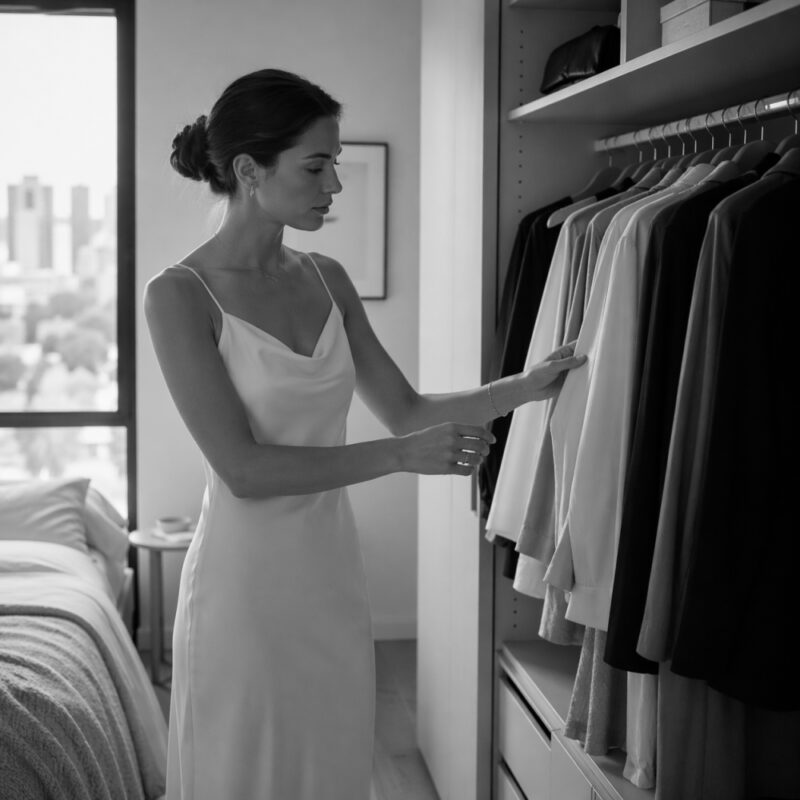
Changing shopping habits are reshaping the way people approach their wardrobes, and the shift is hard to ignore. What once felt like a constant cycle of buying and replacing is being replaced by something slower and more deliberate. People are no longer chasing every new drop or seasonal shift. Instead, they are stepping back, reassessing what they actually wear, and becoming more selective with what they bring into their closet.
A More Intentional Approach To Getting Dressed
The biggest visible change is intention. Outfits are no longer built around what is new, but around what works. People are spending more time refining their style instead of constantly updating it. This creates a wardrobe that feels more consistent and reliable, where pieces are chosen because they fit seamlessly into daily life rather than standing out for a moment.
Original price was: $222.00.$111.00Current price is: $111.00.
Hoodies
Original price was: $222.00.$111.00Current price is: $111.00.
Original price was: $222.00.$111.00Current price is: $111.00.
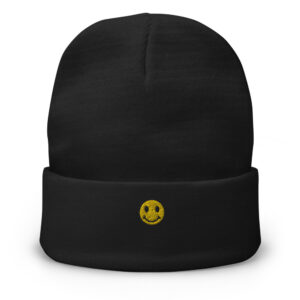
Beanies
Original price was: $222.00.$111.00Current price is: $111.00.
Why Changing Shopping Habits Are Reducing Impulse Buys
Changing shopping habits are naturally cutting down on impulse purchases. The quick thrill of buying something new is being replaced by a more considered process. People are pausing, comparing, and questioning whether an item is worth it before committing. This shift doesn’t remove enjoyment from shopping, but it does change the outcome. Fewer items are bought, but the ones that are tend to last longer and feel more relevant.
Wardrobes Are Becoming Smaller But Stronger
A direct result of this shift is a more focused wardrobe. Instead of overflowing with rarely worn items, closets are becoming tighter and more functional. Each piece plays a role, whether it’s a reliable dress, a well-fitted pair of jeans, or a layer that works across different settings. This doesn’t limit creativity—it sharpens it. With fewer options, people are finding new ways to style what they already own.
Original price was: $222.00.$111.00Current price is: $111.00.
Hoodies
Original price was: $222.00.$111.00Current price is: $111.00.
Original price was: $222.00.$111.00Current price is: $111.00.
Beanies
Original price was: $222.00.$111.00Current price is: $111.00.
Changing Shopping Habits Are Shaping Personal Style
Changing shopping habits are also bringing individuality back into focus. Without the pressure to constantly follow trends, people are leaning into what genuinely suits them. Style starts to reflect personal preference rather than external influence. Small choices—like fit, fabric, and colour—begin to matter more, and outfits feel less like copies and more like expressions of the person wearing them.
Dressing Feels Simpler And More Natural
As everything slows down, getting dressed becomes easier. There’s less second-guessing and less clutter to work through. Outfits come together more naturally because the wardrobe has been built with intention. Instead of searching for something to wear, people are reaching for pieces they already trust. That familiarity creates confidence, and confidence is what ultimately makes an outfit feel complete.
Original price was: $222.00.$111.00Current price is: $111.00.
Hoodies
Original price was: $222.00.$111.00Current price is: $111.00.
Original price was: $222.00.$111.00Current price is: $111.00.
Beanies
Original price was: $222.00.$111.00Current price is: $111.00.
A Long Term Shift Rather Than A Trend
This change doesn’t feel temporary. It reflects a deeper adjustment in how people value clothing and consumption. The focus is no longer on having more, but on making better choices. Over time, that mindset builds a wardrobe that feels stable, personal, and genuinely useful. And while trends will always exist, they are no longer driving every decision. The result is a more grounded way of dressing that feels sustainable without trying too hard to be.
