

-
×
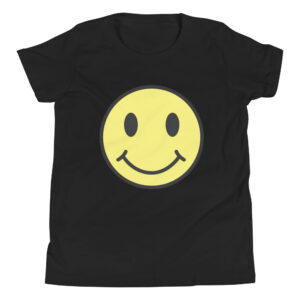 Have a Nice Day Kids T-Shirt
1 × $111.00
Have a Nice Day Kids T-Shirt
1 × $111.00
21
Feb
Feb
Where Performance Meets Daily Life
Gym style streetwear has moved far beyond the treadmill and into daily rotation, reshaping how men think about comfort and presence. What once felt reserved for workouts now feels appropriate for coffee meetings, flights, and casual offices. The shift did not happen overnight. As dress codes relaxed and performance fabrics improved, men began choosing pieces that worked harder for them. Stretch, breathability, and ease became just as important as silhouette. The result is a wardrobe that feels intentional without being restrictive, athletic without being sloppy.
Why Gym Style Streetwear Feels Modern
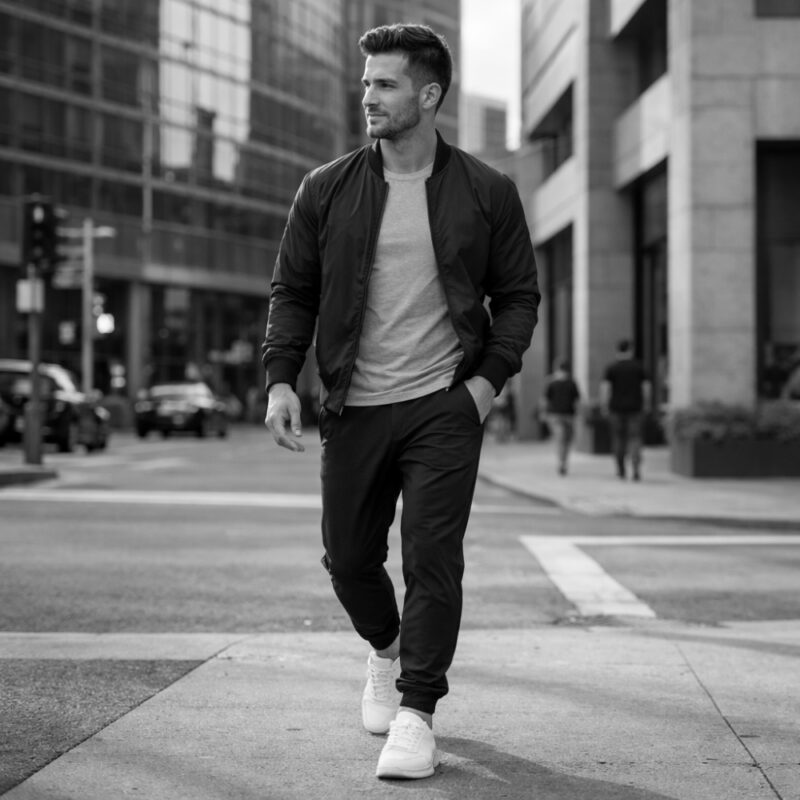
The reason gym style streetwear resonates now is simple: it reflects how people actually live. Most days blend movement, errands, work, and social plans, and rigid tailoring does not always keep up. Technical joggers with a tapered cut, structured hoodies, and minimal trainers create a clean outline while still allowing freedom. Neutral palettes keep the look grounded, avoiding the loud logos that once defined sportswear. Instead of dressing for a single occasion, men are dressing for a full day. That practicality feels modern, not lazy.
Original price was: $222.00.$111.00Current price is: $111.00.

Hoodies
Original price was: $222.00.$111.00Current price is: $111.00.
Original price was: $222.00.$111.00Current price is: $111.00.
Beanies
Original price was: $222.00.$111.00Current price is: $111.00.
The Influence of Athletic Street Style
Athletes and fitness culture have played a major role in normalizing this evolution. Off-duty players stepping out in coordinated sweats, crisp sneakers, and fitted outerwear helped blur the line between gym clothes and streetwear. Social media amplified the look, showing how layering a performance tee under a tailored overshirt could feel sharp rather than casual. Athletic street style proved that proportion matters more than formality. A well-cut pair of training pants paired with a structured jacket can look more refined than ill-fitting denim and a blazer.
How Gym Style Streetwear Replaced Stiff Tailoring
For years, structured suits symbolized professionalism, but comfort often came at a cost. As workplaces shifted and remote work expanded, men questioned why discomfort was the default. Gym style streetwear offered an alternative that still looked put together. Performance trousers with hidden stretch, knit polos that move with the body, and sleek trainers replaced heavy fabrics and rigid construction. The change was not about lowering standards; it was about redefining them. Looking sharp no longer requires sacrificing mobility or ease.
Original price was: $222.00.$111.00Current price is: $111.00.
Hoodies
Original price was: $222.00.$111.00Current price is: $111.00.
Original price was: $222.00.$111.00Current price is: $111.00.
Beanies
Original price was: $222.00.$111.00Current price is: $111.00.
Building a Wardrobe Around Gym Style Streetwear
Adopting gym style streetwear does not mean filling your closet with bright compression gear. It starts with elevated basics. Choose tapered joggers in matte technical fabric, heavyweight cotton tees that hold their shape, and minimalist sneakers in leather or suede. Layer with lightweight bombers, overshirts, or relaxed tailoring to add structure. Stick to cohesive tones like charcoal, sand, navy, and olive so pieces mix effortlessly. The key is balance. When every item feels intentional, the overall look reads polished rather than purely athletic.
The Cultural Shift Toward Functional Dressing
Beyond aesthetics, this movement reflects a broader cultural shift toward functionality. Men are prioritizing health, movement, and versatility in ways that influence how they shop. Clothing is expected to adapt, not dictate. Fabrics that wick moisture, resist wrinkles, and stretch comfortably align with an active mindset. At the same time, clean lines and subtle details ensure the outfit still communicates confidence. Gym style streetwear works because it mirrors a lifestyle that values flexibility, efficiency, and understated style over rigid tradition.
Original price was: $222.00.$111.00Current price is: $111.00.
Hoodies
Original price was: $222.00.$111.00Current price is: $111.00.
Original price was: $222.00.$111.00Current price is: $111.00.
Beanies
Original price was: $222.00.$111.00Current price is: $111.00.
Where Everyday Dressing Goes Next
In the end, the appeal is not about chasing trends but about aligning clothing with reality. Modern life rarely fits into a single category, and wardrobes no longer need to either. When performance elements blend seamlessly with everyday staples, dressing becomes simpler and more intuitive. That quiet confidence — effortless, adaptable, and grounded — is what keeps this evolution moving forward.
