

-
×
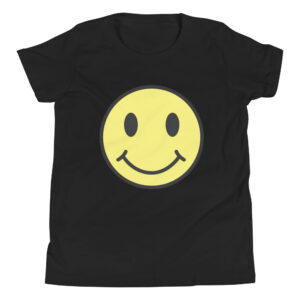 Have a Nice Day Kids T-Shirt
1 × $111.00
Have a Nice Day Kids T-Shirt
1 × $111.00
24
Jan
Jan
A Shift In How Everyday Style Is Defined
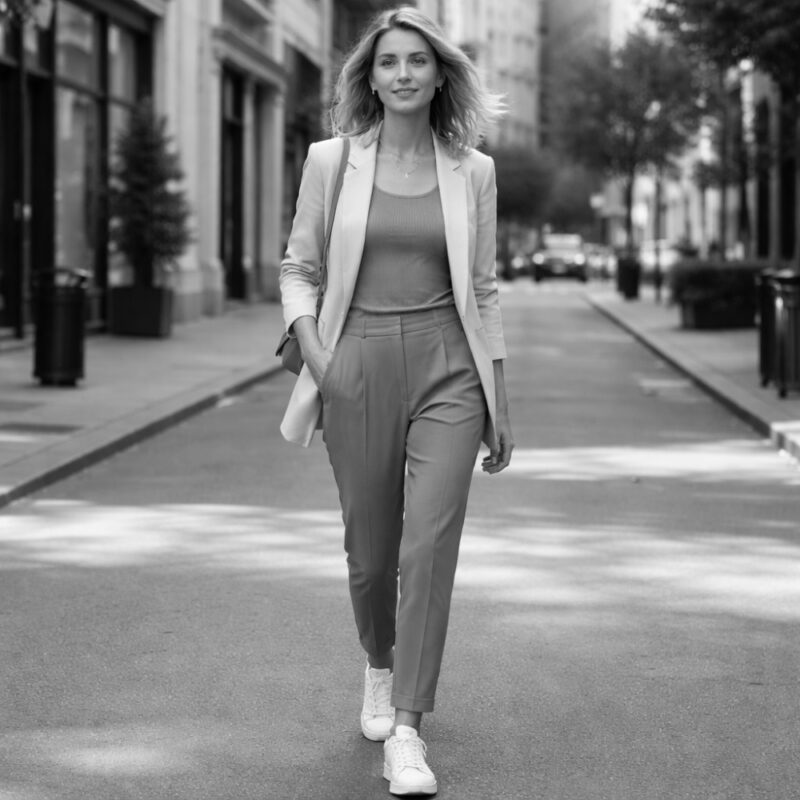
Fitness wear influence has quietly altered everyday dressing by changing what people expect their clothes to do throughout the day. Instead of dressing for isolated moments, people now choose clothing that can adapt to multiple environments, from work to walking to social settings. This shift reflects modern routines that are less predictable and more physically demanding. Clothing is expected to move, stretch, and remain comfortable for long hours, redefining what everyday style looks and feels like in real life.
How Fitness Wear Influence Entered Daily Clothing
Fitness wear influence began outside fashion conversations, rooted in the practical benefits of active clothing. Stretch, breathability, and lightweight construction solved problems that traditional garments ignored. As people spent more time commuting, walking, and staying active throughout the day, those benefits became impossible to overlook. What was once reserved for exercise started appearing in daily outfits because it worked better. Over time, the visual cues softened, allowing performance elements to blend naturally into everyday clothing.
Original price was: $222.00.$111.00Current price is: $111.00.

Hoodies
Original price was: $222.00.$111.00Current price is: $111.00.
Original price was: $222.00.$111.00Current price is: $111.00.
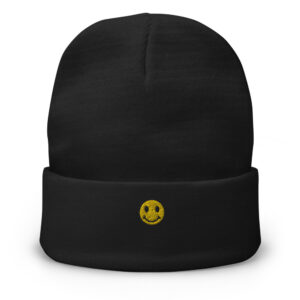
Beanies
Original price was: $222.00.$111.00Current price is: $111.00.
Comfort As A New Expectation In Dressing
Comfort is no longer treated as an optional feature or a weekend-only priority. People expect clothing to feel good from morning to evening without constant adjustment or discomfort. This expectation has reshaped purchasing habits, with shoppers paying closer attention to fabric feel, flexibility, and durability. Clothing that pinches, restricts, or demands constant awareness now feels outdated, while pieces that support ease and movement feel modern and intentional.
Fitness Wear Influence In Modern Wardrobe Design
Fitness wear influence is now embedded in everyday garments through subtle but meaningful design choices. Tailored trousers often include stretch fibers, jackets are lighter and less structured, and basic tops are designed to hold shape while remaining breathable. These changes are not always visible, but they are deeply felt. Clothing has become easier to wear for longer periods, allowing people to move through their days without feeling constrained by what they are wearing.
Original price was: $222.00.$111.00Current price is: $111.00.
Hoodies
Original price was: $222.00.$111.00Current price is: $111.00.
Original price was: $222.00.$111.00Current price is: $111.00.
Beanies
Original price was: $222.00.$111.00Current price is: $111.00.
Changing Attitudes Toward What Looks Polished
As clothing has become more functional, ideas of polish and effort have shifted as well. Wearing comfortable clothing is no longer seen as careless or underdressed. Instead, it reflects awareness of personal needs and modern lifestyles. Sneakers paired with tailored pieces, relaxed silhouettes, and softer fabrics are now accepted in spaces that once demanded rigid formality. Style has expanded to include ease, practicality, and confidence rather than strict adherence to outdated rules.
Fitness Wear Influence And Lifestyle Driven Fashion
Fitness wear influence continues to shape fashion because it aligns with how people actually live. Longer days, hybrid schedules, and more active routines require clothing that adapts rather than restricts. Designers increasingly respond by creating pieces that work across situations, reducing the need for outfit changes. This approach prioritizes longevity and versatility, encouraging wardrobes built around usefulness rather than novelty or trend cycles.
Original price was: $222.00.$111.00Current price is: $111.00.
Hoodies
Original price was: $222.00.$111.00Current price is: $111.00.
Original price was: $222.00.$111.00Current price is: $111.00.
Beanies
Original price was: $222.00.$111.00Current price is: $111.00.
Everyday Style Moving Forward
Everyday fashion is settling into a quieter, more intentional rhythm focused on clothing that supports real life. People are choosing fewer pieces that work harder and last longer, rather than building outfits for single occasions. This evolution has created a more thoughtful relationship with dressing, where style feels natural rather than forced. Clothing no longer competes with daily life but works alongside it, making getting dressed feel simpler, more comfortable, and more aligned with how people live today.
