

Dec
Dressing for Real Life, Not Just Occasions
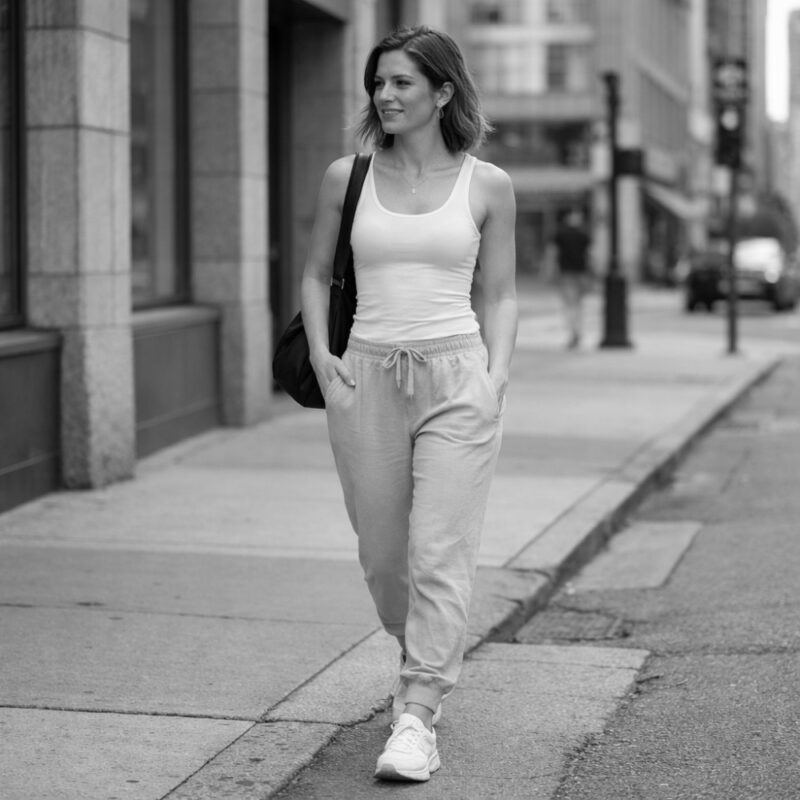
Fitness wear as fashion emerged because daily routines stopped fitting into neat boxes. People no longer dress for one place at a time. A single outfit now needs to handle walking, sitting, working, socialising, and moving through the day without friction. As lifestyles shifted, clothing followed. Gym-inspired pieces moved beyond exercise because they offered flexibility that traditional wardrobes struggled to provide.
Fitness Wear as Fashion in Daily Movement
Once people started wearing fitness clothing outside the gym, habits changed quickly. Stretch fabrics made walking easier. Lightweight layers adapted to changing temperatures. Supportive footwear replaced shoes that looked good but felt limiting. Fitness wear as fashion gained momentum because it worked across multiple parts of the day without forcing outfit changes. People didn’t adopt it to follow trends. They adopted it because it removed inconvenience.
Hoodies
Beanies
How Fitness Wear as Fashion Changed Design Standards
Design played a central role in making athletic clothing suitable for everyday wear. Brands refined silhouettes, softened colour palettes, and introduced fabrics that felt polished rather than technical. Clean seams, subtle textures, and neutral tones allowed fitness pieces to blend naturally with non-athletic clothing. Fitness wear as fashion evolved through intention, not accident. Designers responded directly to how people wanted to dress, not how runways dictated they should.
Why Comfort Became a Style Priority
Comfort stopped being optional once people experienced it daily. Tight waistbands, restrictive fabrics, and rigid tailoring began to feel unnecessary rather than refined. Clothing that allowed movement without distraction raised expectations across the board. Fitness wear as fashion didn’t lower standards. It raised them. People started demanding clothes that looked appropriate while supporting how bodies actually move throughout the day.
Hoodies
Beanies
Work Culture and Lifestyle Shifts
Flexible schedules and remote work accelerated the shift toward practical clothing. People began dressing for productivity rather than presentation. Outfits needed to feel comfortable at home, acceptable on screen, and suitable for stepping outside without changing. Fitness-inspired clothing fit that reality naturally. It allowed people to feel put together without feeling confined. That alignment between clothing and lifestyle helped normalize fitness wear as fashion across age groups and settings.
Styling Fitness Wear as Fashion Intentionally
What separates everyday style from workout wear is context. A clean jacket layered over activewear, neutral trainers paired with structured trousers, or minimal accessories added to a performance top change how the outfit reads. Styling doesn’t hide athletic elements. It frames them. When fitness wear as fashion feels intentional, it blends seamlessly into modern wardrobes without looking unfinished or overly casual.
Hoodies
Beanies
Why This Way of Dressing Is Here to Stay
This shift reflects long-term changes, not temporary trends. People value clothing that adapts to movement, supports comfort, and still feels socially appropriate. Fitness wear as fashion meets those needs without demanding compromise. As daily life continues to blend work, movement, and downtime, clothing will continue to follow function. Style hasn’t disappeared. It has simply learned how to move.
