

-
×
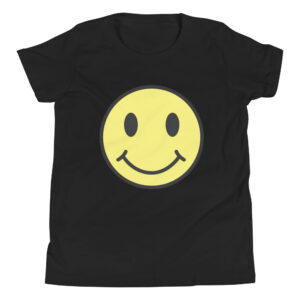 Have a Nice Day Kids T-Shirt
1 × $111.00
Have a Nice Day Kids T-Shirt
1 × $111.00
01
Jan
Jan
Why Fashion Is Slowing Down Again
Fashion is entering a period of reassessment after years of relentless speed. Trend cycles that once changed weekly are beginning to lose their influence as people grow tired of constant replacement and visual noise. Rising living costs, declining garment quality, and social fatigue have made endless consumption feel less aspirational than it once did. Instead of chasing novelty, many are now prioritising intention, longevity, and relevance, allowing style to develop at a more realistic pace.
How The Slow Fashion Cultural Shift Took Hold
The slow fashion cultural shift emerged gradually as consumers became more aware of how little value fast-moving trends actually delivered. Clothing designed for rapid turnover often failed to last, both physically and stylistically. As disappointment accumulated, buying fewer items with clearer purpose started to feel like common sense rather than restraint. This change reflects lived experience, not ideology, shaped by frustration with waste and inconsistency.
Original price was: $222.00.$111.00Current price is: $111.00.

Hoodies
Original price was: $222.00.$111.00Current price is: $111.00.

Original price was: $222.00.$111.00Current price is: $111.00.
Beanies
Original price was: $222.00.$111.00Current price is: $111.00.
Culture Is Redefining What Fashion Signals
Clothing has always communicated social cues, but those signals are changing. In a climate where transparency and authenticity carry more weight, constant trend participation no longer suggests relevance or taste. Rewearing familiar pieces now signals confidence and self-awareness rather than stagnation. This cultural adjustment has softened the pressure to constantly update appearances, allowing style to function as expression rather than performance.
What The Slow Fashion Cultural Shift Means For Personal Style
As the slow fashion cultural shift continues, personal style is becoming more defined and less reactive. Instead of reinventing wardrobes each season, people are refining what already works for their lives. Fit, comfort, and versatility are gaining importance, not as trends, but as foundations. Over time, this leads to a clearer sense of identity, where clothing choices feel intentional rather than dictated by external cycles.
Original price was: $222.00.$111.00Current price is: $111.00.
Hoodies
Original price was: $222.00.$111.00Current price is: $111.00.
Original price was: $222.00.$111.00Current price is: $111.00.
Beanies
Original price was: $222.00.$111.00Current price is: $111.00.
Shopping Habits Are Becoming More Deliberate
Buying clothing now involves more consideration than impulse. Shoppers are spending longer evaluating materials, brand practices, and wearability before committing. Secondhand purchases, repairs, and alterations are increasingly viewed as normal extensions of ownership rather than compromises. This slower approach reshapes the retail experience, turning shopping into a decision-making process rather than a reflex.
Why The Slow Fashion Cultural Shift Is Reshaping The Industry
The slow fashion cultural shift is influencing more than individual wardrobes; it is forcing structural change. Brands are adjusting production schedules, reducing output, and focusing on core collections that endure beyond seasons. While trend-driven fashion still exists, it no longer dominates cultural conversation in the same way. The industry is being nudged toward accountability, durability, and relevance.
Original price was: $222.00.$111.00Current price is: $111.00.
Hoodies
Original price was: $222.00.$111.00Current price is: $111.00.
Original price was: $222.00.$111.00Current price is: $111.00.
Beanies
Original price was: $222.00.$111.00Current price is: $111.00.
A Quieter Future For Style
Fashion is not losing creativity; it is losing urgency. As trend cycles slow, clothing gains time to accumulate meaning through wear, memory, and adaptation. Style becomes less about keeping up and more about staying aligned with real life. This quieter rhythm allows fashion to exist as part of daily experience rather than something constantly chasing attention, creating space for longevity to feel natural rather than forced.
