

-
×
 Have a Nice Day Kids T-Shirt
1 × $111.00
Have a Nice Day Kids T-Shirt
1 × $111.00
25
Jun
Jun
Timeless Clothing And The Details Fashion Buyers Always Notice
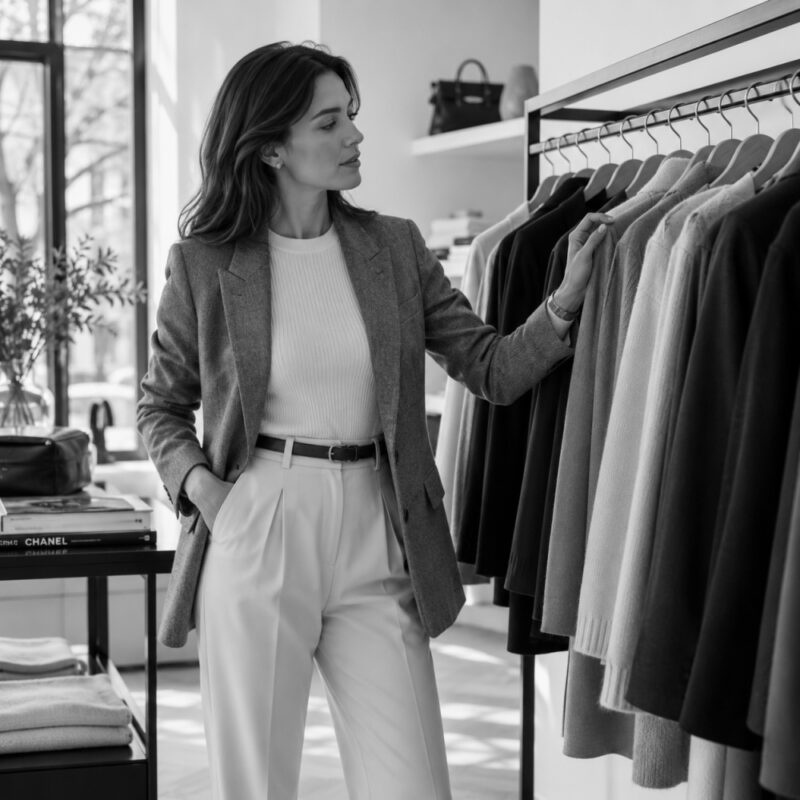
Fashion buyers often develop a trained eye for garments that will remain relevant beyond a single season. When they evaluate pieces, they are not just thinking about what looks good now, but what will still feel appropriate years later. This approach is what separates short-lived trends from long-term wardrobe investments. The idea of timeless clothing sits at the centre of these decisions, guiding choices around construction, proportion, and overall wearability in everyday life.
Original price was: $222.00.$111.00Current price is: $111.00.
Hoodies
Original price was: $222.00.$111.00Current price is: $111.00.
Original price was: $222.00.$111.00Current price is: $111.00.
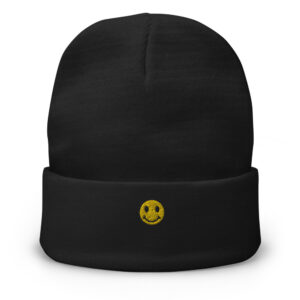
Beanies
Original price was: $222.00.$111.00Current price is: $111.00.
Looking Beyond Seasonal Trends
Seasonal trends tend to dominate attention in fashion, but buyers are trained to look past the initial impact of what is currently popular. Instead of focusing on novelty, they assess whether a piece has structural balance and long-term versatility. Items that rely too heavily on trend-driven elements often lose relevance quickly. What remains valuable are garments that can adapt across different styling moods and seasons without feeling out of place.
Why Fabric Choices Matter More Than Anything
Fabric is one of the most important indicators of how long a garment will last visually and physically. Natural fibres such as cotton, wool, linen, and silk tend to age more gracefully than heavily synthetic alternatives. Buyers look for texture, weight, and durability because these qualities influence how clothing behaves over time. A well-chosen fabric not only improves comfort but also helps maintain shape and appearance after repeated wear.
Original price was: $222.00.$111.00Current price is: $111.00.
Hoodies
Original price was: $222.00.$111.00Current price is: $111.00.
Original price was: $222.00.$111.00Current price is: $111.00.
Beanies
Original price was: $222.00.$111.00Current price is: $111.00.
Timeless Clothing and the Role of Fit in Longevity
Fit is one of the clearest indicators of whether a piece will remain wearable over time. Garments that are too extreme in silhouette often become visually tied to a specific moment in fashion history. In contrast, balanced tailoring allows clothing to evolve with the wearer. Clean lines, proportional cuts, and thoughtful shaping ensure that pieces remain flattering even as personal style shifts. This is where longevity is often decided.
Colour Decisions That Outlast Trends
Colour plays a subtle but powerful role in how long clothing stays relevant. Neutral tones and muted shades tend to offer more flexibility because they can be paired easily with changing wardrobes. Buyers often favour palettes that support layering and repeat wear rather than bold statements that may feel dated quickly. However, this does not exclude colour entirely, but rather encourages thoughtful restraint in how it is applied.
Original price was: $222.00.$111.00Current price is: $111.00.
Hoodies
Original price was: $222.00.$111.00Current price is: $111.00.
Original price was: $222.00.$111.00Current price is: $111.00.
Beanies
Original price was: $222.00.$111.00Current price is: $111.00.
Design Details That Keep Pieces Relevant
Small design choices can determine whether clothing feels timeless or temporary. Minimal hardware, clean stitching, and simple finishes often help garments maintain their appeal across seasons. Overly decorative elements or exaggerated branding can anchor a piece to a specific era. Buyers tend to prefer subtle detailing that enhances the garment without overpowering its overall silhouette or function, allowing it to remain adaptable over time.
Building a Wardrobe Around Timeless Clothing Foundations
A strong wardrobe is usually built on reliable foundations rather than constant replacement. Buyers often recommend starting with core essentials that can be worn in multiple settings. These include tailored trousers, structured outerwear, and simple tops that work across different combinations. From this base, seasonal additions can be introduced without disrupting overall cohesion. This is where timeless clothing becomes a practical strategy rather than just a style idea.
Original price was: $222.00.$111.00Current price is: $111.00.
Hoodies
Original price was: $222.00.$111.00Current price is: $111.00.
Original price was: $222.00.$111.00Current price is: $111.00.
Beanies
Original price was: $222.00.$111.00Current price is: $111.00.
How Buyers Think About Long Term Style Value
Fashion buyers ultimately focus on how a garment performs across time rather than how it performs in a single moment. They evaluate whether it can be styled in multiple ways, whether it holds its shape, and whether it still feels relevant after repeated wear. This long-term perspective prioritises consistency and adaptability. Clothing that passes this test earns its place in curated collections and, eventually, in well-built personal wardrobes.
