

-
×
 Have a Nice Day Kids T-Shirt
1 × $111.00
Have a Nice Day Kids T-Shirt
1 × $111.00
20
Dec
Dec
How Place Shapes What Feels Normal to Wear
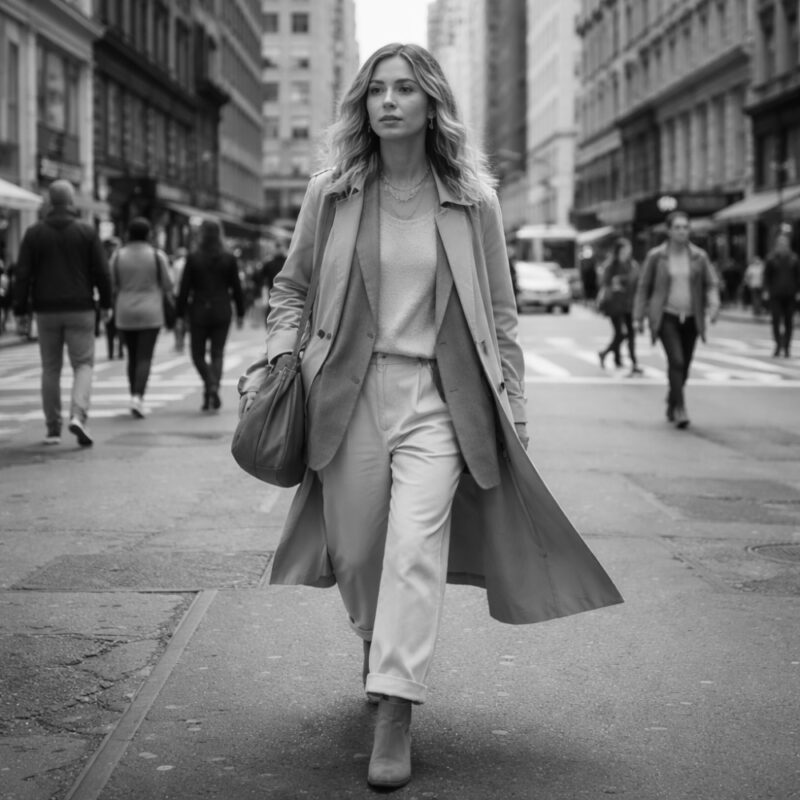
Clothing choices rarely start with trends alone. Most people dress according to what feels visually acceptable in their surroundings, often without realising it. From the moment someone steps outside, they are responding to subtle cues around them, adjusting outfits to match what feels appropriate for that location. Over time, these small adjustments become habits, shaping personal style through place rather than intention.
Original price was: $222.00.$111.00Current price is: $111.00.
Hoodies
Original price was: $222.00.$111.00Current price is: $111.00.
Original price was: $222.00.$111.00Current price is: $111.00.
Beanies
Original price was: $222.00.$111.00Current price is: $111.00.
Clothing Culture by City Forms Through Repetition
Clothing culture by city develops when the same visual patterns appear again and again in daily life. Repeated silhouettes, colour palettes, and outfit formulas slowly define what looks normal. When these patterns are reinforced through streets, transport, and public spaces, they become the standard reference point, influencing how residents dress without the need for rules or guidance.
Weather and Environment Shape Everyday Dressing
Climate has a practical influence on clothing, but it also affects expectations. Cities with variable weather tend to normalise layering and adaptable outfits, while warmer regions often lean toward lighter fabrics and simpler construction. These environmental realities don’t just affect comfort; they shape how polished, relaxed, or functional clothing is expected to appear in everyday situations.
Original price was: $222.00.$111.00Current price is: $111.00.
Hoodies
Original price was: $222.00.$111.00Current price is: $111.00.
Original price was: $222.00.$111.00Current price is: $111.00.
Beanies
Original price was: $222.00.$111.00Current price is: $111.00.
Work and Social Life Reinforce Style Norms
Professional environments strongly influence what people consider acceptable to wear. In cities dominated by corporate or government work, consistency and restraint often shape wardrobes. In contrast, creative or freelance-focused cities may allow more flexibility and expression. These work-driven expectations spill into social life, reinforcing shared ideas about what looks appropriate beyond office hours.
Clothing Culture by City Becomes Clear While Travelling
Clothing culture by city is often most noticeable when someone visits a new place. Outfits that felt normal at home can suddenly seem out of sync with local style. Travellers frequently adjust what they wear within days, responding instinctively to the visual rhythm of the city rather than consciously copying others. This contrast highlights how location shapes perception.
Original price was: $222.00.$111.00Current price is: $111.00.
Hoodies
Original price was: $222.00.$111.00Current price is: $111.00.
Original price was: $222.00.$111.00Current price is: $111.00.
Beanies
Original price was: $222.00.$111.00Current price is: $111.00.
Public Spaces Influence How People Present Themselves
Cities with strong street culture encourage visible participation through clothing. Busy cafes, walkable neighbourhoods, and public transport create constant visual exchange, making style more communal. In quieter or more private cities, clothing may feel more individual and less performative. The design of public spaces quietly affects how much attention people give to what they wear.
Clothing Culture by City Shapes Confidence and Belonging
Clothing culture by city affects more than appearance; it influences confidence. Dressing in alignment with local norms can make people feel settled and socially aware, while standing out unintentionally can create discomfort. These emotional responses reinforce conformity over time, encouraging people to adopt styles that help them feel integrated rather than visually isolated.
Original price was: $222.00.$111.00Current price is: $111.00.
Hoodies
Original price was: $222.00.$111.00Current price is: $111.00.
Original price was: $222.00.$111.00Current price is: $111.00.
Beanies
Original price was: $222.00.$111.00Current price is: $111.00.
Why Personal Style Is Closely Linked to Place
What feels like a personal fashion identity is often shaped by shared context. Cities guide style through environment, routine, and social feedback rather than trends alone. Once this connection becomes visible, it’s easier to see how deeply clothing is tied to place, and why changing cities often leads to subtle but lasting shifts in how people dress.
