

-
×
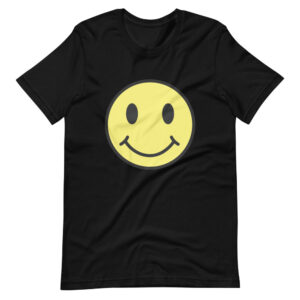 Have a Nice Day T-Shirt
1 × $111.00
Have a Nice Day T-Shirt
1 × $111.00

22
Jan
Jan
Dressing for the Day You Actually Have
Getting dressed is one of the first decisions we make each day, and it quietly shapes how everything else feels. When everyday dressing habits are built around real schedules, real bodies, and real energy levels, clothing stops being something you fight with. Instead, it becomes a small form of support that helps the day move more smoothly. This isn’t about looking impressive or perfectly styled, but about removing unnecessary resistance from a routine you repeat daily.
How Everyday Dressing Habits Reduce Mental Strain
The most effective everyday dressing habits are the ones that remove choice rather than multiply it. When your wardrobe is made up of pieces that already work together, mornings stop demanding attention you don’t yet have. Familiar combinations create trust, and that trust lowers mental strain. You’re no longer asking whether something works, fits, or feels right, because experience has already answered those questions for you.
Original price was: $222.00.$111.00Current price is: $111.00.
Hoodies
Original price was: $222.00.$111.00Current price is: $111.00.
Original price was: $222.00.$111.00Current price is: $111.00.
Beanies
Original price was: $222.00.$111.00Current price is: $111.00.
Comfort as a Practical Baseline
Comfort is often treated as an afterthought, but in reality it determines how long an outfit remains wearable. Clothes that restrict movement, irritate the skin, or demand constant adjustment pull focus away from the day itself. When comfort is treated as a baseline rather than a bonus, clothing becomes easier to live in. This doesn’t mean abandoning structure or polish, but choosing designs that respect how bodies move and how long days can feel.
Why Repeating Outfits Builds Confidence
Repeating outfits isn’t a failure of creativity, it’s a sign that something works. When you wear the same combinations again and again, you remove performance from the act of getting dressed. Confidence grows from familiarity, not novelty. Over time, repetition reveals which clothes truly support you and which only looked good in theory. Style becomes quieter, steadier, and more personal when it’s grounded in use rather than experimentation.
Original price was: $222.00.$111.00Current price is: $111.00.
Hoodies
Original price was: $222.00.$111.00Current price is: $111.00.
Original price was: $222.00.$111.00Current price is: $111.00.
Beanies
Original price was: $222.00.$111.00Current price is: $111.00.
Everyday Dressing Habits That Adapt to Real Life
Strong everyday dressing habits leave room for unpredictability. Days change shape, plans shift, and clothing needs to move with those changes instead of resisting them. Pieces that layer easily, shoes that can handle walking, and neutral foundations that suit multiple settings allow outfits to stretch across the day. This adaptability reduces the need to overplan and makes dressing feel forgiving rather than rigid.
Letting Clothing Work With Your Routine
A wardrobe works best when it reflects how your days actually unfold. Paying attention to what you reach for on long days versus quiet ones reveals patterns worth trusting. When clothes align with routine, dressing stops feeling like a task that needs solving. It becomes a simple step that signals readiness, allowing the rest of the day to take priority without distraction.
Original price was: $222.00.$111.00Current price is: $111.00.
Hoodies
Original price was: $222.00.$111.00Current price is: $111.00.
Original price was: $222.00.$111.00Current price is: $111.00.
Beanies
Original price was: $222.00.$111.00Current price is: $111.00.
How Everyday Dressing Habits Create Lasting Ease
Over time, everyday dressing habits shape how you move through the world. When clothing no longer demands constant adjustment or second guessing, it fades into the background in the best way. The result isn’t just easier mornings, but a sense of steadiness that carries through the day. Dressing becomes less about control and more about ease, supporting you quietly rather than asking for attention.
