

Oct
Outfits For Confidence Begin With Personal Comfort
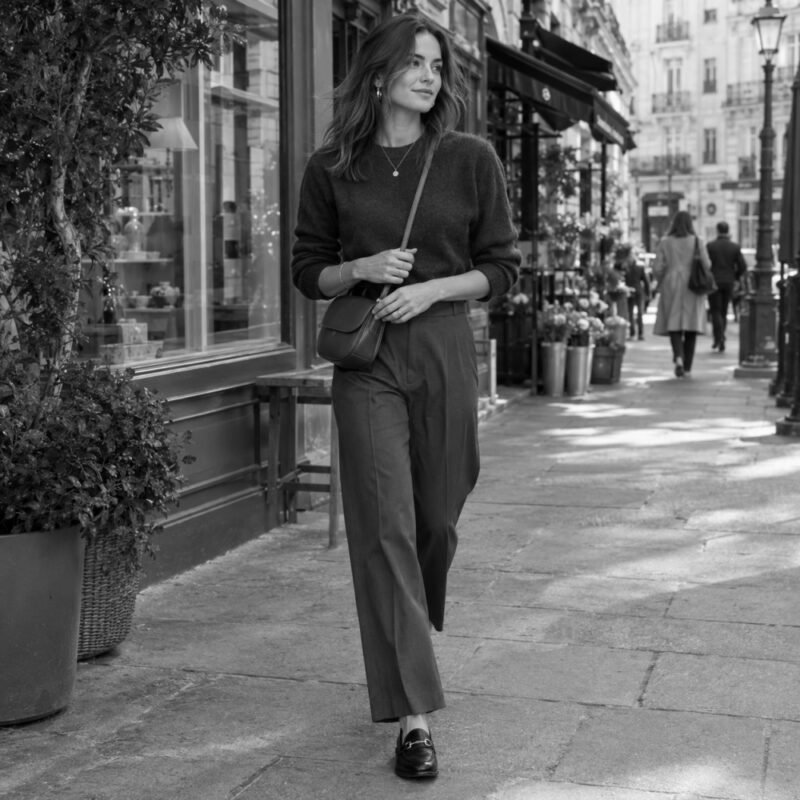
Getting dressed can influence how someone approaches the day. An outfit might offer a sense of ease before a busy morning, reassurance before meeting new people or familiarity when everything else seems unpredictable. Outfits for confidence do not require dramatic colours, expensive labels or carefully planned combinations. Often, the clothes that feel best are those that allow someone to move through the day without constantly thinking about what they are wearing. Personal comfort means different things to different people. One person might feel most comfortable in relaxed trousers and a simple T-shirt, while another prefers a colourful dress or a carefully chosen pair of boots. Neither approach holds an advantage over the other. What matters is whether the clothing feels appropriate for the person wearing it, rather than an attempt to meet somebody else’s expectations.
Finding Confidence In Familiar Clothing
Familiar clothes can offer a useful starting point when choosing an outfit. A favourite shirt, dependable jeans or a well-worn jumper may already feel connected to positive experiences. These pieces remove some of the uncertainty from getting dressed because their fit, texture and appearance are already known. That familiarity can become particularly valuable on demanding days. Reaching for something reliable allows attention to remain on work, conversations or personal responsibilities instead of an uncomfortable waistband or sleeves that never sit properly. Confidence often grows through these small practical decisions rather than a complete wardrobe transformation. However, familiar does not have to mean repetitive. A different belt, an interesting pair of shoes or a change in proportions can refresh a trusted combination without sacrificing its appeal. Small adjustments offer room for experimentation while keeping the qualities that made the original outfit a favourite.
Hoodies
Beanies
How Outfits For Confidence Reflect Individual Style
Clothing provides a way to communicate personality without explaining it aloud. Colour, texture, shape and accessories can express something about a person’s preferences, interests or mood. Some people enjoy understated combinations, while others feel most themselves in striking prints and unexpected colour pairings. The relationship between style and confidence becomes more personal when choices come from genuine preference. Following every new trend can create pressure to replace clothes that still work perfectly well. Instead, noticing which details consistently attract attention can help someone develop a wardrobe that feels more authentic. This does not mean ignoring fashion or refusing to try something unfamiliar. Trends can introduce useful ideas, and experimenting with a different silhouette might reveal an unexpected favourite. The important distinction is between trying something out of curiosity and wearing it solely because other people approve. Personal style has more room to develop when experimentation feels enjoyable rather than compulsory.
Dressing For The Reality Of Everyday Life
An outfit can look appealing on a hanger but become frustrating during an ordinary day. Shoes might feel uncomfortable after an hour, a jacket might restrict movement, or a fabric might require constant adjustment. These details matter because clothing needs to function beyond the moment someone first sees it in a mirror. Practical decisions can support a stronger sense of ease. Choosing breathable fabrics for warmer weather, comfortable shoes for long walks and layers for changing temperatures helps clothing work with daily routines. When an outfit suits its purpose, there is less reason to second-guess the decision. Different occasions also call for different approaches. Someone preparing for a presentation might prefer structured trousers and a crisp shirt, while a weekend outing might call for loose denim and a lightweight knit. Both choices can feel equally confident when they suit the setting and allow the wearer to feel comfortable.
Hoodies
Beanies
Making Everyday Outfits Feel More Personal
Small styling choices can transform familiar clothes without requiring an entirely new wardrobe. Rolling up shirt sleeves, adding a colourful scarf or choosing distinctive jewellery can give a simple combination a more individual feel. These details also make it easier to experiment with personal style gradually. Someone who usually wears neutral colours might introduce a burgundy bag or patterned shirt without abandoning their usual preferences. Accessories can connect separate pieces, helping a wardrobe feel more cohesive while preserving variety. The goal is not to perfect every outfit before leaving home. Instead, a few thoughtful adjustments can make getting dressed more enjoyable and give everyday clothing a sense of personality.
Choosing Clothes That Suit Your Changing Life
Personal style rarely stays exactly the same throughout life. Work, relationships, interests and changing routines can influence what someone wants from a wardrobe. Clothes that once felt essential may gradually lose their appeal, while overlooked pieces begin to make more sense. Allowing these changes to happen without pressure makes getting dressed a more rewarding experience. There is no requirement to maintain a single aesthetic or build an entirely coordinated wardrobe. Sometimes, confidence comes from keeping a favourite piece for years. At other times, it comes from trying something new and discovering that it feels surprisingly natural. A wardrobe can evolve alongside its owner without losing the personal details that make it distinctive.
Hoodies
Beanies
Outfits For Confidence And A Style That Feels Like You
The most satisfying wardrobe leaves room for both familiarity and change. A favourite pair of jeans can remain useful for years, while a new colour or silhouette introduces an unexpected possibility. Outfits for confidence become meaningful when they support the life someone actually lives, rather than an imagined standard set by trends or other people’s opinions. Getting dressed then becomes less about searching for approval and more about choosing clothes that feel right for the moment. Whether the day brings familiar routines, new experiences or an unexpected change of plans, personal style can offer a quiet sense of readiness that begins with the simplest decision of all: wearing something that feels like you.
