

Sep
Making An Outfit Work Starts With The Overall Shape
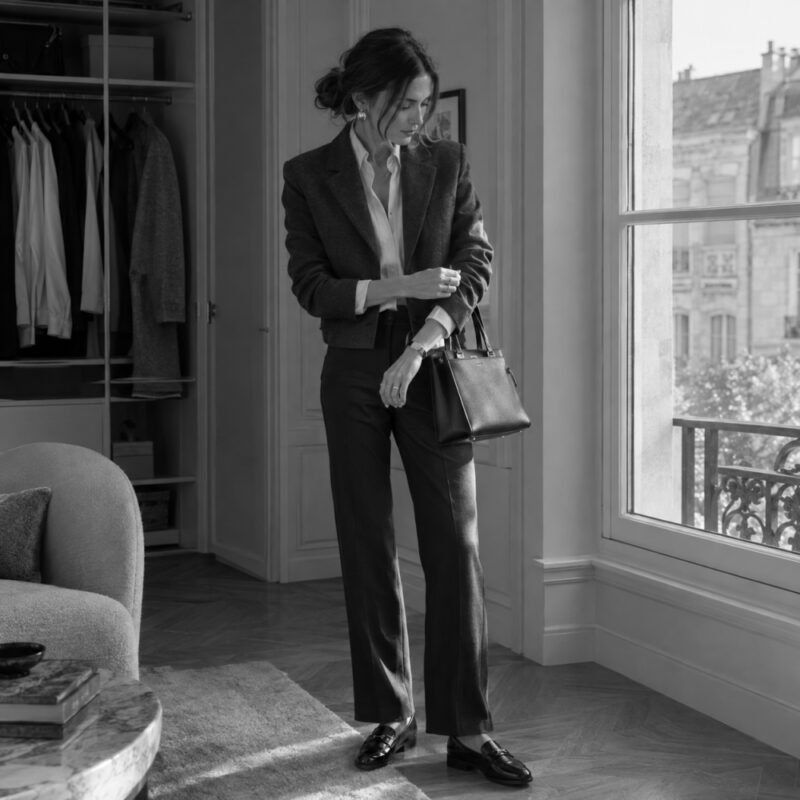
Making an outfit work often comes down to how the clothes relate to each other rather than how impressive each piece looks alone. A strong outfit usually has a clear visual direction, with proportions that feel considered without appearing overly planned. A loose jacket can change the character of slim trousers, while a longer coat can create a different sense of balance with wider-leg clothing. These relationships matter because the eye tends to read the complete silhouette before noticing individual details. When the shape feels coherent, even familiar pieces can create an outfit that looks deliberate and personal.
Proportion Can Change The Character Of Familiar Clothes
Proportion gives everyday clothing much of its personality. The same shirt can feel relaxed with wide trousers, sharper with straight-leg pants, or more polished beneath a structured jacket. Making an outfit work does not require every item to have the same level of formality either. A refined handbag can sit comfortably alongside simple denim, while polished shoes can give a casual combination more definition. Small changes in length, volume and structure can shift the balance of a look without requiring a completely different wardrobe. This makes proportion one of the most useful ways to rethink clothes that already feel familiar.
Hoodies
Beanies
Making An Outfit Work Through Small Styling Choices
Once the main shape is established, smaller choices can bring the outfit together. Shoes, bags, jewellery, belts and outer layers can connect pieces that might otherwise feel unrelated. These details do not need to match exactly. Instead, repeating a texture, finish or level of structure can create a subtle relationship between different parts of the outfit. Rolling a sleeve, leaving a jacket open or changing where a shirt sits can also affect the final impression. Making an outfit work is often less about adding more and more elements and more about noticing which small adjustments give the existing clothes a stronger sense of purpose.
Clothing Should Work With The Way You Actually Dress
An outfit can look convincing in a photograph yet feel completely wrong once you wear it through a normal day. Movement, weather, footwear and the amount of time spent sitting or walking can all affect whether clothing feels practical. A structured jacket may look excellent but need enough room for movement, while trousers may appear simple yet become the foundation of an outfit because they work across different settings. Personal style develops through these everyday observations. The clothes that remain useful are often the ones that support real routines while still giving you enough visual interest to feel dressed rather than simply covered.
Hoodies
Beanies
Making An Outfit Work Without Overcomplicating It
There is a point where additional styling can weaken an outfit rather than improve it. Too many competing details can make individual pieces fight for attention, particularly when the original clothing already has strong shape or texture. A simpler approach can allow one element to become the focus while the rest provides support. That might mean pairing a distinctive jacket with understated trousers, or letting an interesting pair of shoes stand out against otherwise restrained clothing. Making an outfit work does not mean solving every possible styling problem at once. Sometimes the most effective decision is knowing when the outfit already has enough going on.
The Details That Give An Outfit Its Own Character
The final impression often comes from details that are easy to overlook. The way a jacket falls when you walk, the position of a handbag, the contrast between polished shoes and softer fabrics, or the choice to leave a layer slightly open can all influence how clothing feels. These decisions become more personal over time because they reflect how someone naturally likes to wear their clothes rather than following a fixed formula. An outfit can therefore become distinctive without relying on unusual pieces or obvious trends. Its character comes from the relationship between the clothes and the person wearing them.
Hoodies
Beanies
When The Outfit Feels Natural
The most satisfying outfits rarely require constant adjustment or explanation. They allow the clothing to support the occasion while leaving enough room for personality and movement. A familiar combination can become more interesting when its proportions, textures or finishing details are reconsidered, without losing the ease that made it useful in the first place. That balance is where personal style often becomes visible: not in how much has been added, but in how naturally everything comes together.
