

Aug
Quality Clothing and What Makes Clothing Feel Better
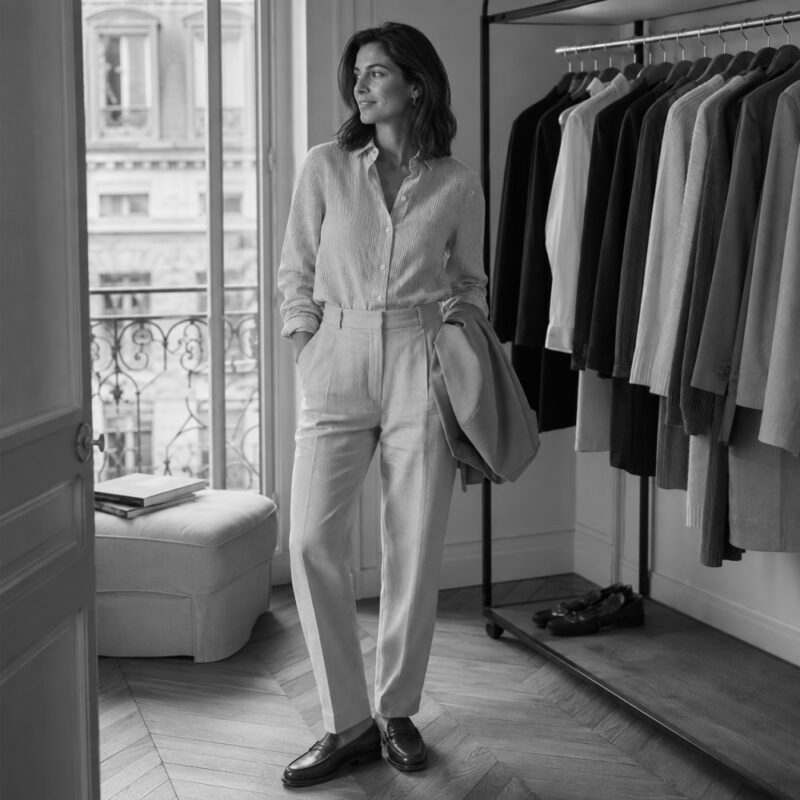
Clothing quality can change an outfit before anyone notices the individual pieces. Fabric, construction, fit and finishing all influence how a garment sits on the body and how confidently it can be worn. Quality clothing often feels more comfortable because the materials have been selected with greater attention to weight, texture and durability. These details can make an everyday shirt, pair of trousers or lightweight jacket feel noticeably different from something produced purely to follow a short-lived trend.
Better Fabrics Give Everyday Clothes More Character
The fabric provides much of the character of a garment, from the way it moves to the way it feels against the skin. Natural fibres such as cotton, linen and wool can offer distinctive textures and levels of breathability, while carefully developed blends can provide useful qualities such as stretch, resilience or easier care. Quality clothing does not necessarily mean expensive clothing, but it usually reflects greater consideration of the material itself. A well-chosen fabric can give a simple garment enough visual interest without relying on bold prints or excessive decoration.
Hoodies
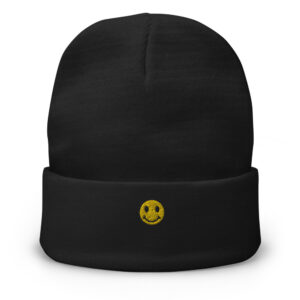
Beanies
Quality Clothing Benefits From Stronger Construction
A garment can look appealing on a hanger yet disappoint once it becomes part of an everyday wardrobe. Stitching, seams, buttons, hems and collars all contribute to how well clothing performs after repeated wear. Stronger construction can help a shirt retain its shape, keep a trouser seam sitting correctly and prevent small details from quickly looking tired. These practical elements rarely dominate an outfit, but they become increasingly noticeable when someone wears the same pieces regularly.
Better Fit Gives Simple Outfits More Presence
Fit can transform the appearance of even the most understated clothing. A shirt with shoulders in the right position, sleeves that finish naturally and enough room through the body can look polished without appearing overly formal. Trousers can create a similar effect when the waist, rise and leg shape work with the wearer’s proportions. Good materials and construction have more impact when the garment also sits naturally on the body.
Hoodies
Beanies
Texture Adds Interest Without Following Trends
Texture offers another way to make an outfit distinctive without depending on seasonal fashion. A softly brushed cotton shirt, a dry linen overshirt or a finely knitted wool layer can introduce depth while keeping the overall appearance restrained. These surfaces also respond differently to natural and artificial light, giving simple outfits subtle variation throughout the day. Choosing texture rather than chasing every new visual trend can make a wardrobe feel more individual and easier to wear across different occasions.
Versatile Pieces Make a Wardrobe More Useful
The most useful garments often work with several parts of an existing wardrobe rather than demanding an entirely new outfit around them. A well-made shirt can sit comfortably with denim, tailored trousers or relaxed shorts, while a considered jacket can shift between casual and more polished settings. This versatility gives clothing a longer practical life because the same piece can continue to serve different purposes as routines and occasions change. Over time, that flexibility can matter just as much as the initial appearance of a garment.
Hoodies
Beanies
Choosing Quality Clothing That Feels Right to Wear
The strongest clothing choices often become the pieces people reach for without much thought. They feel comfortable, fit naturally and work with the rest of the wardrobe, allowing personal style to develop through repeated wear rather than constant replacement. When fabric, construction and fit come together, an otherwise straightforward garment can develop a quiet character that becomes more appealing over time. That is where clothing quality becomes more than a technical consideration and starts to shape the way everyday dressing actually feels.
