

Jan
Clothing as a Social Language
Clothing has always acted as a quiet but powerful form of communication. How culture affects clothing can be seen in the way garments reflect shared values, social expectations, and collective experiences. What people choose to wear is rarely random. Even when driven by personal taste, those choices are shaped by the cultural environment surrounding them. Fashion operates less as decoration and more as an evolving response to social life.
How Culture Affects Clothing Through Historical Change
Looking at the past makes it clear how culture affects clothing during periods of upheaval and transformation. Economic hardship has historically led to simplified designs, practical fabrics, and restrained silhouettes. In contrast, moments of prosperity often encouraged excess, experimentation, and visual boldness. Cultural attitudes toward modesty, authority, and rebellion have all left lasting marks on how clothing was designed and worn. Many garments now considered timeless began as cultural reactions to very specific historical moments.


Hoodies


Beanies
Media, Technology, and Cultural Influence
Modern technology has reshaped fashion by accelerating cultural exchange. Film, television, and social media expose people to styles that once remained regional or inaccessible. This visibility allows trends, traditions, and subcultures to cross borders almost instantly. As a result, clothing evolves faster and absorbs a wider range of influences. Cultural inspiration no longer flows in a single direction, but circulates constantly between communities, industries, and individuals.
How Culture Affects Clothing in Daily Life
Beyond high fashion and trend cycles, how culture affects clothing is most visible in everyday dress. Workwear has shifted as office environments become less rigid, while social movements have encouraged greater freedom of expression. Conversations around identity, gender, and sustainability influence how people shop and style themselves, even when they are not consciously thinking about culture at all. Clothing becomes a practical way to align personal appearance with broader social values.
Hoodies
Beanies
Generational Shifts and Style Identity
Each generation interprets culture through its own lens, and clothing often becomes the clearest expression of that perspective. Younger generations may reject the styles of those before them as a way to define independence, while older generations sometimes embrace nostalgia as cultural memory. These shifts are not simply aesthetic preferences but reflections of changing attitudes toward work, technology, and social norms. Style becomes a visual marker of generational identity.
How Culture Affects Clothing in a Globalised World
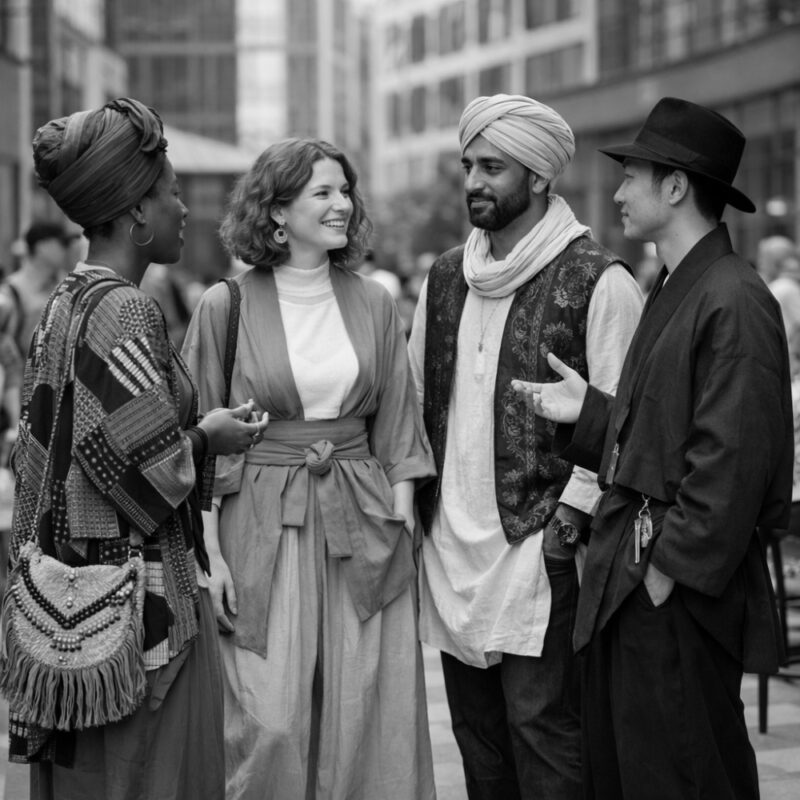
Globalisation has expanded how culture affects clothing by blending traditions, aesthetics, and functionality. Cultural references move across borders and are reinterpreted in new contexts. Traditional garments influence contemporary fashion, while global brands adapt designs to suit local expectations. This blending can create innovation, but it also raises questions about authenticity, respect, and representation. Clothing increasingly carries layered meanings shaped by multiple cultural sources.
Hoodies
Beanies
Clothing as an Ongoing Cultural Record
Clothing will continue to change because culture itself is never static. As societies rethink values, relationships, and priorities, wardrobes quietly adapt in response. Fashion does not simply invent new ideas; it absorbs and reflects what is already happening around it. Paying attention to that connection allows clothing to be seen not as superficial, but as a living record of social change unfolding in real time.
